




Taylor Swift‘s back-to-back weeks at No. 1 on the Billboard Hot 100 with her Toy Story 5 song “I Knew It, I Knew You” got us thinking: Could the Disney/Pixar film’s soundtrack album also find success on our charts?
On the new Billboard Pop Shop Podcast, Katie & Keith discuss just how high the Toy Story 5 album could climb on the Billboard 200 next week, considering no previous Toy Story soundtrack has ever hit the top 40 of our flagship albums chart. Only the first two Toy Story films saw their soundtracks hit the chart, with the initial Toy Story soundtrack peaking at No. 94 and Toy Story 2 reaching No. 111.
Related

Inside ‘Toy Story 5’ World Premiere: Taylor Swift & Randy Newman’s Friendly Duet & More Magical Moments
Inside 2026 World Cup: How Katy Perry, LISA, Anitta & More Pop Stars Turned the Soccer Field Into Their Stage
Listen to the full conversation below:
Also on the show, we’ve got chart news on how Olivia Rodrigo makes a big splash as she scores her third No. 1 album on the Billboard 200 with You Look Pretty Sad for a Girl So in Love and has four songs in the top 10 on the Hot 100. Plus, Ariana Grande unveiled the 12-song track list for her July 31 album Petal over the weekend during her Eternal Sunshine Tour stop in Inglewood, California. And we remember late music executive Clive Davis, who died this week at age 94 and whom the Pop Shop Podcast chatted with back in 2023.
The Billboard Pop Shop Podcast is your one-stop shop for all things pop on Billboard‘s weekly charts. You can always count on a lively discussion about the latest pop news, fun chart stats and stories, new music, and guest interviews with music stars and folks from the world of pop. Casual pop fans and chart junkies can hear Billboard‘s executive digital director, West Coast, Katie Atkinson and Billboard’s managing director, charts and data operations, Keith Caulfield every week on the podcast, which can be streamed on Billboard.com or downloaded in Apple Podcasts or your favorite podcast provider. (Click here to listen to the previous edition of the show on Billboard.com.)
Another album cycle, another pair of No. 1s for Olivia Rodrigo on the Billboard 200 and Billboard Hot 100. You Seem Pretty Sad for a Girl So in Love, released June 12, marks Rodrigo’s third consecutive album (in three tries) to debut atop the former chart while spawning at least one No. 1 hit on the latter chart.
While it’s largely business as usual for the pop-rock singer-songwriter in its chart domination, the degree of it is a little bit new. Pretty Sad bows at No. 1 with 485,000 units moved in its debut frame — a 62% gain on the 302,000 units that sophomore set Guts entered with, a mark that had previously been her career best, and also the highest single-week mark for any solo artist yet in 2026. In addition, the album charts all 13 of its tracks in the top 30 of the Hot 100 (dated June 27), led by the brand-new single “Stupid Song,” which debuts at No. 3.
How surprising is that first-week hike for Rodrigo’s latest? And how do we handicap its future Grammy chances? Billboard staffers answer these questions and more below.
1. Pretty Sad debuts at No. 1 with 485,000 units moved in its first week. Is that number higher, lower, or about what you expected for the album?
Katie Atkinson: Higher! While the buzz and interest around Olivia never went anywhere (and clearly grew) over the past few years, this album didn’t feel like it had an inescapable hit leading the way like both Sour(“drivers license”) and Guts (“Vampire”) did before they dropped. (I’m not forgetting about the Hot 100 No. 1 debut of “Drop Dead”! But it hasn’t hung around like the former singles.) It’s a testament to where Rodrigo stands in pop music that fans didn’t need that pre-release smash to turn out in droves.
Kyle Denis: Definitely higher! I was fairly confident that she’d surpass the Sour opening week, but I’m pleasantly surprised to see Pretty Sad blow past Guts too.
Chris Eggertsen: About what I expected. While that’s nearly 200,000 more units than either Sour or Guts, Rodrigo has been building lots of goodwill since the release of the latter — including with older fans who perhaps weren’t on board for the first couple of albums, but who have since woken up to her bona fides as a songwriter, musician and student of music (more on that below).
Lyndsey Havens: Higher. The fact that it’s the year’s biggest week by units for a soloist is an extraordinary accomplishment, especially following what felt like a mega release from Noah Kahan with The Great Divide and considering a superstar like Harry Styles also released a solo album earlier this year. Debuting with nearly half a million units in her first week is definitely something to feel pretty glad about.
Andrew Unterberger: Way higher. And it seems like it’s higher than just about anyone thought, considering initial projections had her landing somewhere in the mid-300k range. And that in itself would’ve still been fairly tremendous; to get within range of half a million is simply remarkable.
2. That 485,000 number is significantly better than the 302,000 than Rodrigo’s sophomore album Guts did in its first week, which had narrowly outperformed Sour for her best debut week to that point. What do you think the biggest reason is for Rodrigo’s dramatically improved performance this time around?
Katie Atkinson: I think the quieter impact of “Drop Dead” and “The Cure,” paired with the fresh sound of both (a departure from her more pop-punk leanings), had fans intrigued about what this full project would sound like. And then once it was released, there was an almost-immediate conversation about why Pretty Sad was her best album yet – which is saying a lot when your first two albums out of the gate were both nominated for album of the year at the Grammys. So if anyone was on the fence about whether to give the project a listen, the discourse around it made the decision for them.
Kyle Denis: Based on my personal assessment, Pretty Sad has had better word-of-mouth than almost any other pop album this year, and that’s still one of the most effective types of marketing. Every group chat had an opinion to share or field, the majority of which were positive. It also helped that those who were less impressed by “Drop Dead” were roped right back in with “The Cure.” And Olivia has done a great job of feeling omnipresent in the lead up to Pretty Sad without veering into overexposed territory. I also have to imagine getting the Robert Smith stamp — and their surprise Primavera duet — helped an older generation of listeners give her music a chance this time around.
Chris Eggertsen: Olivia has been smartly and steadily building her fanbase over the last few years — including with older fans, many of whom were drawn in by her affinity for icons of earlier generations. In addition to her loud affection for acts like Hole, Fiona Apple and The Breeders — the latter of whom opened several dates on Rodrigo’s Guts tour — she featured Gen X legend Robert Smith on the new album and recently duetted with him at two high-profile festival appearances (Glastonbury and Primavera Sound). I think building a bridge to elder millennials and Gen Xers was one key to the more robust sales this time around.
Lyndsey Havens: Consistency — with a touch of drama. To me, continuing besting your own first week sales is the exact type of career any artist would want. It proves consistency and growth both on Olivia’s part, and the part of her audience. Plus, when you consider all the rumors that swirled around this third album — from her relationship status to the album’s title and overarching theme — it naturally warrants curiosity listens. That said, I think what truly proves this album to be so strong is that no matter why people tuned in for the first time, they kept coming back. This album hits like an unexpected and maybe even necessary slap in the face, even — or especially — on its most tender songs. And that’s something that only Olivia can pull off right now.
Andrew Unterberger: Certainly a better physical strategy seems to have helped greatly; 273,000 in first-week sales (including 164,000 in vinyl) suggests that the double-digit-variant approach favored by many A-list pop stars seems to be paying off for her. But good word-of-mouth and a particular album-y album have also done their fair share in contributing to the strongest streaming numbers of her career; fans really ingested this LP in full time and time again, and from the strong numbers Pretty Sad is still pulling across its tracklist on DSPs, they don’t seem to have stopped yet.
3. “Stupid Song” is by easily the best-performing brand-new song on the set, debuting at No. 3 on the Hot 100. Does it feel like a legitimate breakout hit to you, or just the song with the most initial momentum?
Katie Atkinson: The way this song is sort of a mix of all of Olivia’s biggest hits – the emotive balladry of “drivers license,” the theatrical dynamics of “Vampire,” the eventual driving beat of “good 4 u” – means it feels recognizable but also brand-new. I also think this could end up with a longer life at radio than the pre-release singles because it’s giving me vibes of massive hits like Billie Eilish’s “Happier Than Ever” or Benson Boone’s “Beautiful Things,” where it starts as one thing but becomes something else. So yes, I think this could be a legitimate breakout hit.
Kyle Denis: “Stupid Song” absolutely feels like a legitimate breakout, and it’s also the most instant standout from the album. It’s the perfect combination of the new wave influences that permeate Pretty Sad, Olivia’s now-trademark indie pop bent and her knack for transformative bridges — this one is going to go crazy on tour.
Chris Eggertsen: It definitely feels like a breakout hit, but then there are lots of songs on the album that could similarly catch on, from “Maggots for Brains” to “My Way” to “Honeybee,” which feels like the most broadly compelling of the album’s ballads. I think “Stupid Song” in particular has resonated for its honest, relatable-yet-artful lyrics (“I’m a heart made of wax and I’m melting in the sun” is a particular highlight) and slow-and-steady sonic build; by the final chorus, it feels like a genuine anthem.
Lyndsey Havens: It feels like both, I think the buzzy music video helps with momentum right now, and it is genuinely a great, winding song — an OR specialty.
Andrew Unterberger: Yeah, it seems to have the touch that Guts‘ “Get Him Back” (for whatever still-inexplicable reason) lacked in terms of generating excitement outside of the album itself. Hopefully that’ll also help Pretty Sad maintain its commercial longevity a little better than Guts did.
4. Outside of “Stupid Song” and the two previously released singles (“Drop Dead” and “The Cure”), which song on the album do you find the most interesting?
Katie Atkinson: My favorite song on the album that I keep going back to is “Expectations.” If you ever wanted to hear Olivia Rodrigo crossed with Devo, you’re in luck! The lyrics get positively lodged in my head, and this is the one I’d want my daughter and all her little friends to hear and take to heart and scream along to. As Olivia says, never “settle for a guy with a fake job” — and this chorus-ending line is pure gold: “Past mistakes are just new information/ These days, I’ve got expectations.”
Kyle Denis: “What’s Wrong With Me”! I’m a sucker for a cross-generational collab that actually works. I’m also a fan of “Purple” and “My Way,” not enough people are talking about those!
Chris Eggertsen: I really, really love “Maggots for Brains.” It’s such a bold proclamation of vulnerability, and the lyrics are killer. The line “And sometimes, at a low point, I even wish for a tragedy/’ Cause I know he’d come over and take real good care of me” just gets me. That’s an incredibly dark thought, but also so honest and compelling. And dare I say relatable? Like “Drop Dead” and “Stupid Song,” it also feels like an anthem. While I love both of those other tracks, I find “Maggots” the most interesting of the three, and it’s the one I keep coming back to. How great would it be to have a song with the lyric, “I’m a sad shell of a woman and I’ve got maggots for brains” go to No. 1? Let’s make it happen, Livies.
Lyndsey Havens: I keep going back to “honeybee,” “maggots for brains” and “begged” — but also love “what’s wrong with me” and “my way” and… this is exactly what I mean about the staying power of this album. Identifying two distinct sections of the album ahead of its release was a smart selling point, and one that got listeners thinking before even pressing play — and keeps us all contemplating both sides of any story, or relationship, while we listen. This album feels distinctly engaging, which is all to say that I think majority of the songs are incredibly interesting in their own way.
Andrew Unterberger: Though it’s not one of the three (!!) songs on this album that either features either a prominent reference or a literal member of The Cure, “U + Me = <3” seems like the head-rush, emotions-overflow pop-rock banger that best internalizes the lessons of that band’s poppiest classics. If this album is her study-abroad semester at Cure University, that song would be her final thesis presentation. (Also, as someone who still opts for the old-school “<3” in text communication over an actual heart emoji, I appreciate her keeping that shorthand alive.)
5. With the album’s rapturous critical reception and very impressive commercial performance, whispers have already begun about its chances to win Rodrigo her first album of the year trophy at the Grammys next February. It’s early, of course, but how do you like her chances so far?
Katie Atkinson: Honestly, I think it’s totally in the realm of possibility. This album is excellent, I agree that it’s her best yet, and I don’t see a current clear front-runner that stands in her way. The campaign starts now.
Kyle Denis: Her chances are definitely strong, but between Olivia Dean (The Art of Loving) and RAYE (This Music May Contain Hope.) — as well as releases from more established pop acts like Taylor Swift, Harry Styles and Bruno Mars — I can already sense the big mainstream releases splitting votes next February.
Chris Eggertsen: Right now, at least, its chances feel pretty good. While we’ve seen hugely successful, relatively acclaimed albums from the likes of Noah Kahan, Harry Styles and Ella Langley released so far this year, none of them quite hit that sweet spot of critical acclaim and broad appeal the way You Seem Pretty Sad has. That said, let’s not forget we’ve got hugely-anticipated sets from the likes of Charli xcx, Ariana Grande and Gracie Abrams still on the release calendar. Any of those could potentially steal Olivia’s thunder.
Lyndsey Havens: I scoffed a bit when I first heard these whispers, that have only grown louder. But, the more I listen, the more I can see it happening for Olivia… I still hold Noah’s album in very high regard, including when it comes to its Grammy chances, but the fact that I keep revisiting You Seem Pretty Sad For a Girl So In Love —especially when it was more of a slow grower for me — proves that I can’t ignore its chances. I’m sure many voters will feel the same way.
Andrew Unterberger: I like her chances a lot, and the fact that she’s been nominated twice before but still yet to win might make her something of a sentimental favorite, even though 23 years old is still a little early to be considering someone as a lifetime snub. But the Recording Academy has long had a soft spot for prodigious young women in its marquee category — from Barbra Streisand to Alanis Morissette to Lauryn Hill to Taylor Swift to Billie Eilish — and I have to imagine that Rodrigo’s name will join theirs in that canon soon enough, and very likely with this already-much-loved album.

Over the last several years, music fans have increasingly been faced with sticker shock when buying concert tickets — leading many to ask why they’re paying so much to see their favorite artists. To answer that question, it’s imperative to look under the hood and consider the various factors that help determine the final price.
In today’s music industry, the bulk of artists make most of their money on the road. And to make a profit, or at least break even, artist managers, attorneys, booking agents, business managers, production managers and tour directors — as well as the artists themselves — all play a role in helping determine the right price for a show. But with production costs having risen dramatically since the pandemic, the right price is often substantially higher than it was 10 years ago. While touring crews have taken to doing less with more, scaling down their ambitions and juggling multiple jobs, fans spending hundreds of dollars to see a show often expect a spectacle — and a spectacle costs money.
Related


“There are two pieces that really go into [determining ticket prices],” Omar Al-joulani, president of touring at Live Nation, tells Billboard. “One is that artists have given parameters around how much they need to make per night after tracking buses, staffing, production, commissions and then the profit margin they would want to make. The second is the cost of actually mounting the show: venue rent, advertising, stagehands, security, catering.”
Oftentimes, it’s the booking agent’s job to sit down with the promoter and negotiate the best deal for their artist.
“It’s definitely a back and forth,” says Chris Visconti, an agent at UTA. “There’s an honest discussion and collaboration around markets, because some can withstand a higher ticket price for a certain act, and some markets cannot. That comes down to a lot of real-world factors.”
Al-joulani explains that artist teams typically come in with price parameters, with the aim of ensuring fans at each price point have the opportunity to see a show. From there, the promoters and agents will both look at what prices recently worked within a market and provide guidance if a price for a market seems too high.
“The socioeconomic conditions of every city are different,” Visconti says. “Certainly in every country. We want to make sure it’s not a one-size-fits-all answer.”
Al-joulani says that at times, he has to tell artist teams that certain prices don’t work in particular markets. Ultimately, though, he’s not the one making the final decision.
“You debate whether an artist has to cut down their production, whether they can make the show smaller, there’s all these different levers you wind up pulling,” he says. “Ultimately, the artist makes the final call on what the fan needs to pay for an artist to go on tour.”
Related

According to Ticketmaster’s website, a large chunk of the services and fees tacked onto ticket prices typically go toward the venue, which has its own costs, including security, bartenders, electricity and the box office. A much smaller percentage of those services and fees go to the ticketing platforms, which are told what the ticket price will be (minus the services and fees) by the promoters and artist teams. The ticketing platform used for a show depends on the venue, which typically has a partnership with a specific service. (For example, Red Rocks Amphitheatre utilizes AXS; Madison Square Garden and Sphere both have partnerships with Ticketmaster.)
Notably, the final price also depends on the venue’s size. Soft ticket rooms such as clubs already have the most expensive equipment built in, allowing artists to simply plug-and-play. That reflects in the ticket price, with shows in larger rooms often charging more to help cover the costs, while club shows can remain more affordable for fans.
“Labor is expensive, production is expensive,” says Eric Silver, a manager at Red Light Management whose clients include dance music artist Subtronics. “For a hard ticket place like Red Rocks Amphitheatre and The Gorge, it’s an empty place and you’re building everything. In the case of The Gorge, you’re even building the stage.”
Though putting on a show at a larger venue comes with additional expenses, Silver says the cost is often worth it — and can pay big dividends down the road.
“When we do these events at these hard ticket plays, they’re less profitable,” he says. “But we want to offer the best experience, and these hard-ticket plays are an investment. If you can show that you can sell out multiple nights at an arena, your value goes up to promoters for festivals, where there are less expenses.”

While the primary ticket price factors in touring and production costs, artist teams must also consider the secondary market. Al-joulani often looks at what prices sold on sites like StubHub and SeatGeek the last time an artist played in a city to help determine the price for an upcoming tour.
“We’ll look at whether a lot of tickets were transacted, whether brokers made a huge lift on a tour — that’s money not being paid to the artist or holder of the IP,” he says. “In the process — after the on-sale — you’ll look at the secondary activity and that may give you feedback on how to price releases, whether you should add a second show in a market or whether your tickets are priced correctly. And then you can always enact changes.”
When determining ticket prices, Visconti and his wife, Nicole Schoen Visconti, who works in the marketing department at UTA, also consider when a fan may choose to purchase. Some fans closely follow their favorite artists’ social media pages and sign up for SMS messages to be in line right at the on-sale. Other fans may need to wait a few days to purchase a ticket, holding off until their next paycheck. But there’s no clear answer on when in the cycle it’s best to have the lowest ticket price.
“You could punish [fans] if early bird tickets [are discounted] and then prices increase later on,” Schoen Visconti says. “With the economy and bills, some fans might not be able to make a decision until day of, or the night before. Do you drop the price to make it fair for them, but not the fans that were there first? That’s something we try to keep in mind.”
Part of Schoen Visconti’s role is to advise artist teams on the number of tickets a fan can purchase and the number of times a ticket should be allowed to transfer in an attempt to help combat scalpers. “It’s not something you can do in every state, because there are laws in New York and Illinois that you can’t limit how people transfer their tickets,” she says.
Ahead of the sales, Schoen Visconti works with clients to set up emails and SMS messages with pre-sale access codes, with the aim of getting tickets into the hands of fans. This isn’t always a foolproof system, however. In the wake of on-sales, agents, promoters and ticketing platforms look at the IP addresses for each purchase to see if scalpers managed to break through. If there are duplicates, the agents and promoters will inform the ticketing platform to cancel those tickets and re-release them back onto their primary ticketing platform. When it comes to using dynamic pricing — which includes an option to change the price of a ticket due to demand — the artist teams are ultimately the ones who make that call.
Those arguing in favor of dynamic pricing highlight that some fans are willing to pay a premium for shows, and ticket prices should adjust accordingly. But many artist teams feel dynamic pricing risks upsetting their audience, and opt against using it.
Silver says that when his clients do decide to utilize dynamic pricing, it’s put in place closer to the date of the show, versus right off the bat. “We probably weren’t going to sell those tickets anyway, and, if we do, it’s just a little bit of extra money,” he says. The profit from dynamic pricing goes back to the whole pot, split between artist and promoter depending on the percentage shares they worked out when first plotting a show.
At the end of the day, the process of pricing tickets is a delicate balancing act, as artist teams must weigh the price sensitivity of fans with what’s required to make a profit on a show.
“Our teams will sit and look at the Twitter threads and comments and take a lot of that into consideration,” Schoen Visconti says. “The artist definitely has their development and their own agenda, but they need fans to be there and support, and the fans should feel like they’re being supported.”
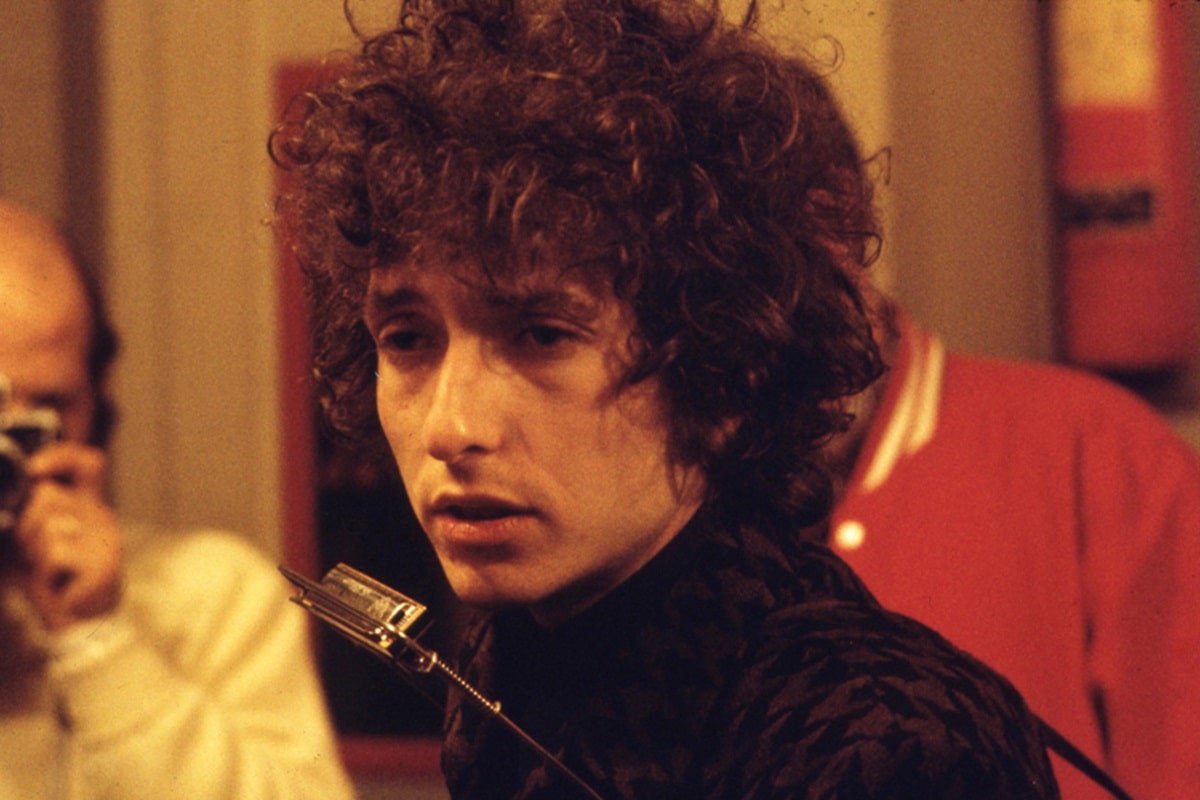
El legado que Chuck Berry dejó a la música es innegable. Considerado el padre del rock & roll, el estadounidense allanó el camino para bandas como The Beatles y los Rolling Stones. En su carrera, Berry acumuló innumerables premios, reconocimientos y elogios, uno de ellos proveniente de Bob Dylan, quien lo comparó con uno de […]
Ver más noticias en Indie Hoy.

Son contadas las bandas que pueden decir que comenzaron su carrera en un viejo garage cuando apenas eran adolescentes, tocando un punk iracundo y dentellado, y que, casi medio siglo después, siguen en pie. Redd Kross es una de ellas, y la lista de factores que podrían haberla hecho desaparecer en el camino es extensa: […]
Ver más noticias en Indie Hoy.

PAROOKAVILLE es uno de los festivales de música electrónica más importantes del mundo y vos podés estar ahí. El evento se celebra anualmente en el Aeropuerto de Weeze y recrea una ciudad ficticia, llamada «The City of Dreams», ofreciendo una experiencia inmersiva que va más allá de la música. Ahora, Warsteiner presenta en Argentina su […]
Ver más noticias en Indie Hoy.

Adidas anunció una nueva colaboración con los Ositos Cariñositos (conocidos como Care Bears en Estados Unidos), la cual combinará el universo de los populares personajes con algunos de los modelos más reconocidos del catálogo de la marca. La colección estará disponible a partir del 1 de julio de 2026 a través de la web de […]
Ver más noticias en Indie Hoy.
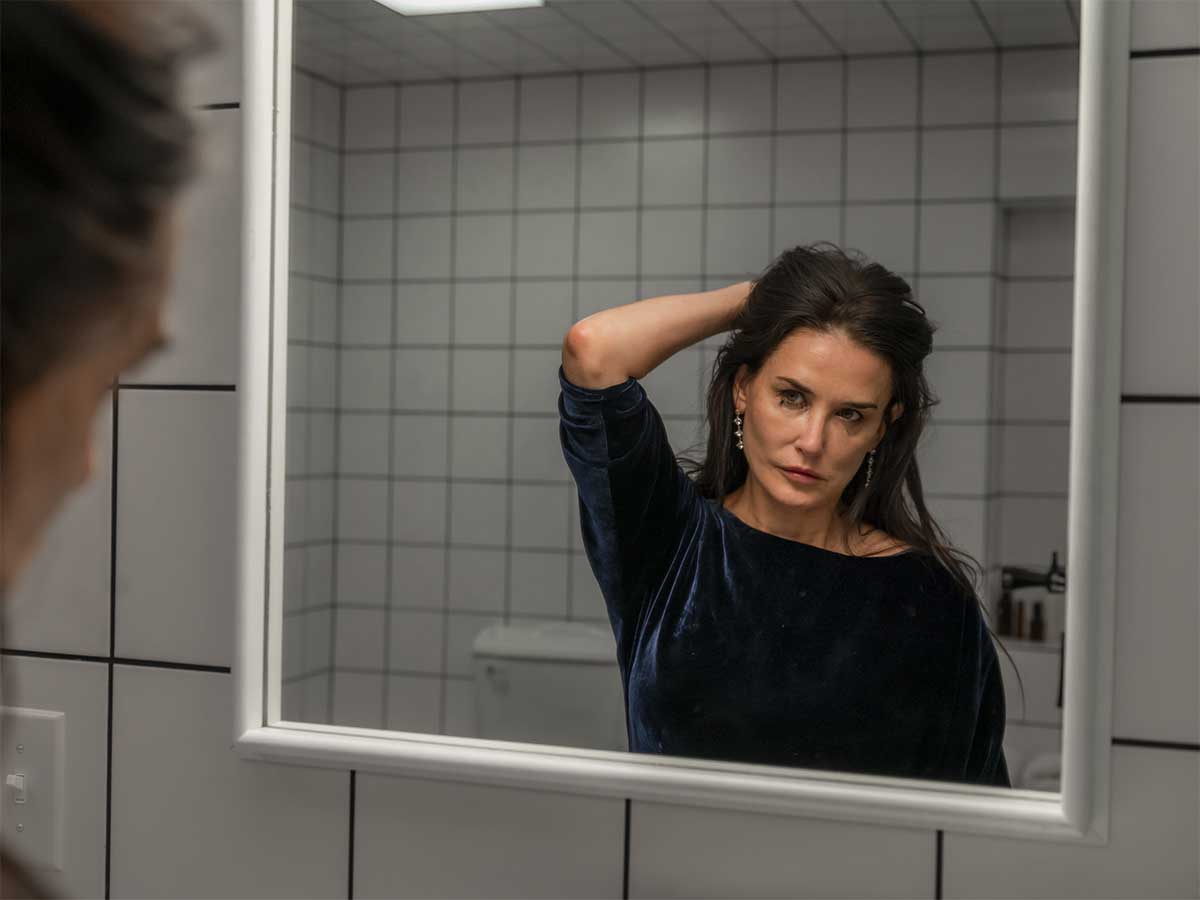
Ya no quedan dudas de que, en los últimos 10 años, el terror está viviendo una etapa de gloria. Hoy por hoy, es el género que mejor retrata, satiriza y problematiza el mundo contemporáneo, y es por eso que las producciones del género logran destacarse y captar cada vez a más público. A continuación, las […]
Ver más noticias en Indie Hoy.
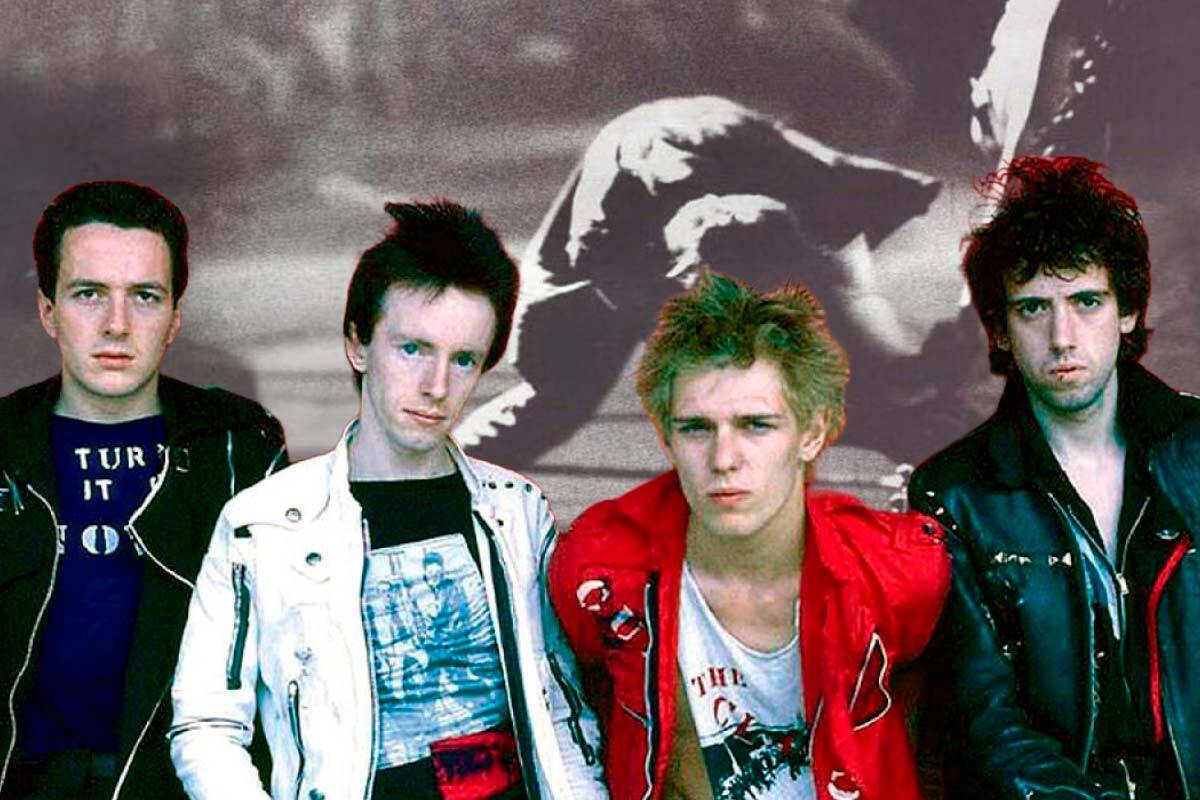
Desde siempre, las ciudades funcionaron como una fuente inagotable de inspiración para la música popular. Mientras algunas aparecieron retratadas en canciones, otras, en cambio, ocuparon un lugar todavía más central y terminaron dando nombre a un disco completo. En esos casos, el vínculo entre el artista y el suelo natal suele trascender lo geográfico para […]
Ver más noticias en Indie Hoy.

Wednesday confirmó su visita a la Argentina. El grupo liderado por Karly Hartzman se presentará el próximo 23 de septiembre en C Art Media, en un show que marcará el debut en el país de una de las propuestas más llamativas de la nueva generación del indie rock norteamericano. Las entradas ya se encuentran a […]
Ver más noticias en Indie Hoy.