




Los Lobos has reached a settlement with Sony Music Entertainment over royalties for “Canción del Mariachi,” the Chicano rock band’s collaboration with Antonio Banderas from the 1995 western Desperado.
A Friday (Aug. 21) court filing, obtained and first reported by Billboard, states that Los Lobos and Sony Music have jointly agreed to dismiss the band’s breach of contract lawsuit. An attorney for Los Lobos, Evan Cohen, told Billboard that the matter has been settled but declined to share any deal terms. A Sony rep did not immediately return a request for comment.
Related


Los Lobos sued Sony Music, whose imprint Milan Records handles distribution for “Canción del Mariachi,” in December 2025. The band claimed it hadn’t received any digital royalties for the recording, even though streams have skyrocketed since mixed martial artist Ilia “El Matador” Topuria made it his walkout anthem in recent years.
“Despite the specific knowledge that the popularity of the recording was spiking and reaching new audiences, Sony and Milan still paid nothing to Los Lobos for streaming, and continues to pay nothing, for streaming anywhere in the world or for any time period,” read the lawsuit.
Sony Music broadly denied wrongdoing and liability in its first response to the lawsuit in February. Banderas was not involved in the case.
Even after Friday’s settlement, Los Lobos is not entirely done fighting against the Sony corporation. The band still has another lawsuit pending against a different division of the Japanese media conglomerate, Sony Pictures Entertainment, over royalties from the 1987 Ritchie Valens biopic La Bamba.
That case, filed in November 2025, alleges that Los Lobos has been deprived of international streaming royalties for various Valens covers that the band recorded for the La Bamba soundtrack. This includes Los Lobos’ version of “La Bamba,” which spent three weeks at No. 1 on the Billboard Hot 100 in 1987. Sony Pictures and its subsidiary studio, Columbia Pictures, are in charge of royalty accounting for that soundtrack outside the U.S. and Canada.
Sony Pictures claims it has complied with all payment obligations to Los Lobos. According to court filings, the company investigated after the La Bamba lawsuit was filed and realized that $17,000 worth of foreign streaming royalties had been underpaid for a “discrete time period.”
Lawyers for Sony Pictures say the company promptly sent that amount to the band, plus interest, for a total of $22,000 this past January. But Los Lobos says more money is still owed, and mediation remains ongoing.

All products and services featured are independently chosen by editors. However, Billboard may receive a commission on orders placed through its retail links, and the retailer may receive certain auditable data for accounting purposes.
KPop Demon Hunters has not only been a hit for Netflix, but also for retailers, as official and fan-made merch from the Oscar-winning animated film continues to roll out in stores and online.
The latest collaboration with the franchise is Mattel’s new lineup of dolls inspired by the movie’s iconic musical performances. These aren’t KPop Demon Hunters Barbie dolls, but rather, similar dolls from Mattel with the faces and outfits of the HUNTR/X girls and Saja Boys’ leader, Jinu.
The collection includes singing Rumi, Zoey and Mira dolls in their shimmering “Golden” stage outfits, along with three fashion dolls recreating the group’s “How It’s Done” opening performance. Early demand has been exceptionally strong, with one of the dolls quickly climbing to the No. 1 spot among new toy releases on Amazon shortly after its launch. Mattel also brings the charismatic Saja Boys leader Jinu to life in his instantly recognizable “Soda Pop” performance outfit, giving collectors both sides of the film’s iconic musical rivalry.

RUMI SINGING DOLL
Rumi Singing ‘Golden’ ‘KPop Demon Hunters’ Mattel Doll
Selling out quickly
Rumi sings “Golden” wearing her performance outfit, accessories, jewelry and iconic purple braid.
Fans can recreate HUNTR/X’s unforgettable “Golden” performance with the interactive Rumi singing doll. Dressed in her screen-accurate stage outfit, the Rumi doll sings the hit song solo or together with compatible Zoey and Mira dolls. Featuring five posable joints, she’s ready for concert performances or demon-hunting adventures, making her an excellent addition for collectors and kids ages 6 and up.
This one is almost sold out on Amazon so you’ll want to pick up the Rumi doll at Walmart or Target.

‘HOW IT’S DONE’ OUTFIT
Rumi ‘How It’s Done’ Performance Look ‘KPop Demon Hunters’ Mattel Fashion Doll
#1 New Release
A hot new release on Amazon, the Rumi “How It’s Done” fashion doll includes fun accessories such as her Saingeom sword.
Inspired by HUNTR/X’s opening performance, Rumi arrives wearing her bold yellow cropped jacket, high-waisted shorts with a traditional norigae charm and platform boots. She includes her signature Saingeom weapon and microphone accessory, while detailed makeup and her long purple braid complete the movie-accurate look. Five points of articulation allow for display or action-packed play.

ZOEY SINGING DOLL
Zoey Singing ‘Golden’ ‘KPop Demon Hunters’ Mattel Doll
The Zoey “Golden” doll sings her part of the iconic anthem.
Zoey’s interactive singing doll lets fans recreate one of the film’s biggest musical moments. Wearing her authentic concert outfit, she sings “Golden” alone or together with the Rumi and Mira dolls. Five points of articulation make her easy to pose for performances or demon-hunting adventures, making her a standout addition to any KPop Demon Hunters collection.

‘HOW IT’S DONE’ FASHION
Zoey ‘How It’s Done’ Performance Look ‘KPop Demon Hunters’ Mattel Fashion Doll
This Zoey doll includes her signature Spirit Blades for demon-fighting battle scenes.
Zoey hits the stage in her stylish “How It’s Done” outfit featuring a cropped top, colorful baggy pants, sneakers, sculpted accessories and a traditional norigae charm. With 11 points of articulation and detailed hair and makeup, she’s ready for both action poses and concert displays.

MIRA SINGING DOLL
Mira Singing ‘Golden’ ‘KPop Demon Hunters’ Mattel Doll
Fans can hear Mira’s “Golden” solo with this Mattel singing doll.
Mira can perform on her own or synchronize with compatible Rumi and Zoey dolls for a complete HUNTR/X performance. With five points of articulation, she’s designed for imaginative play while recreating one of the film’s most iconic musical numbers with her signature long pink hair and sparkly gold outfit.

‘HOW IT’S DONE’ PERFORMANCE
Mira ‘How It’s Done’ Performance Look ‘KPop Demon Hunters’ Mattel Fashion Doll
This Barbie-style Mira doll comes with her Curved Moon Sword accessory.
Mira’s striking opening-performance outfit features a shoulder-detailed crop top, matching miniskirt, chain belt, fingerless gloves, thigh-high boots, a traditional norigae charm and a Curved Moon Sword. Her signature long pink hair, detailed makeup and 11 points of articulation are ideal for posing, play or display.

OFFICIAL JINU DOLL
Saja Boys Jinu ‘KPop Demon Hunters’ Mattel Fashion Doll
The leader of the Saja Boys joins Mattel’s new doll collection in his memorable “Soda Pop” performance outfit.
Looking like a handsome Ken doll, Jinu wears ripped skinny jeans, a white button-up shirt and high-top sneakers. The set also includes pink sunglasses plus a soda can accessory. With 11 points of articulation, fans can recreate his unforgettable stage moments or display him alongside the HUNTR/X dolls.

FAN MERCH
KPop Demon Hunters-Inspired Mini Dolls
Looking for more options? Amazon also sells these 3.94-inch mini figurines of the characters from the film.
Rendered in vibrant colors and realistic details to look just like they do on the movie, these plastic figures are great for decorating a bookshelf, desk or bedside table. All six figurines are housed inside a colorful display box.

ALSO AVAILABLE
HUNTR/X-Inspired White & Gold Edition PVC Figures Set
You can also pick up this six-pack of HUNTR/X dolls, which depict the members in two outfits: gold and white.
These mini plastic figurines measure just under four inches tall and also come in a gift box. This is unofficial KPop Demon Hunters merch of course, but still worth adding to your collection.

PHYSICAL RELEASE
‘KPop Demon Hunters’ DVD (Blu-ray + 4K Ultra HD)
Pre-Order
Collectors can also bring the film home with KPop Demon Hunters: The Criterion Collection, arriving on DVD, Blu-ray and 4K on Nov. 3.
Available to pre-order now, the premium physical release gives fans a lasting way to own one of animation’s biggest modern hits and makes an essential addition to any movie collection.
The new Mattel KPop Demon Hunters dolls come on the heels of officially licensed items like movie-themed Squishmallows, Funko Pop! figures, LEGO-inspired building sets and Vans sneakers, along with countless fan-made creations, such as KPop Demon Hunters-inspired candles and bath bombs.
Since its 2025 debut, Netflix’s animated film has become one of the year’s biggest entertainment success stories, with its blend of K-pop, fantasy, action and heartfelt storytelling.
This week, Billboard’s New Music Latin poll — curated with key recommendations by Billboard Latin and Billboard Español editors — features new music including Farruko’s “Madrid,” Yuridia’s “Que Se Vaya” and Pepe Aguilar’s new live album recorded during his concert at the Hollywood Bowl, to name a few.
Notably, Los Ángeles Azules and TINI teamed up on a second collaboration called “Pa’ Él,” which blends the Mexican group’s signature cumbia sonidera sound with the Argentine’s pop vocal delicacy. “This one’s for him/ For the liar who didn’t know how to love me,” TINI chants in the chorus.
“I deeply admire how Los Ángeles Azules have managed to connect with so many generations through their music,” she said in a statement. The Mexican group added: “We hope audiences embrace it with the same love we put into creating it, and most of all, that they enjoy it and dance to it.”
Meanwhile, artists such as Myke Towers and El De La Tinta have also dropped new music this week.
The most recent New Music Latin poll (published on Aug. 14) was topped by Carín León and Ke Personaje’s “Qué Andas Haciendo,” which earned nearly 60% of the vote. Which release this week do you think is best? Give these new releases a spin and vote for your favorite new Latin music release below.
Editor’s Note: The results of the weekly New Music Latin poll will be posted if the poll generates more than 1,000 votes. This poll closes at 11 a.m. ET on Monday (Aug. 24).
Phoebe Bridgers tops a Billboard airplay chart for the first time as a solo artist, ruling the Aug. 29-dated Adult Alternative Airplay survey with “Lost Boys.”
The song rises 2-1 in its eighth week on the ranking, following the Aug. 14 release of parent album Lost Weekend.
Bridgers first reached Adult Alternative Airplay in 2017 with “Motion Sickness,” which rose to No. 26 in early 2018. Prior to “Lost Boys,” she logged her best peak with “Sidelines,” which hit No. 12 in 2022.
Bridgers does, however, have previous No. 1 success on Adult Alternative Airplay. Boygenius, her group with Julien Baker and Lucy Dacus, led for seven weeks in 2023 with “Not Strong Enough”; follow-up “Cool About It” reached No. 2.
“Lost Boys” makes Bridgers the second act to hit No. 1 on Adult Alternative Airplay for the first time in 2026, following Chris Stapleton, whose duet with Mumford & Sons, “Here,” led for two weeks in July. She’s the first first-timer to do so without any other acts since St. Paul & the Broken Bones reigned with “Sushi and Coca-Cola” in October.
Concurrently, “Lost Boys” lifts 23-22 on Alternative Airplay; her previous best, “Kyoto,” peaked at No. 25 in 2021 (boygenius’ “Not Strong Enough” hit No. 11). On the all-rock-format, audience-based Rock & Alternative Airplay chart, “Lost Boys” climbs 21-17 with 2.2 million audience impressions, up 13%, in the week ending Aug. 20, according to Luminate.
“Lost Boys” is the lead single from Lost Weekend, Bridgers’ third studio album, which is set to impact the latest Billboard album charts. All lists dated Aug. 29 will update on Billboard.com on Tuesday, Aug. 25, with the top 10 of the Billboard 200 to be revealed Sunday, Aug. 23.
When I first heard that people were criticizing the Recording Academy’s new Best Asian Pop Music Performance category, my honest reaction was surprise. I didn’t understand why people were upset.
From where I stood, I saw an organization trying to recognize music, languages and cultures that have historically received less attention within the American music industry. Why wouldn’t we welcome that?
Related


Then I started reading more about the concerns, and I began to understand where some Asian artists and fans were coming from. If you have spent years fighting to have Asian artists recognized simply as pop artists, the creation of a separate category can raise an uncomfortable question: Is this opening another door for us, or building another room that people expect us to stay inside?
The language requirement raises questions of its own. An artist can be Asian and create music that does not prominently use an Asian language. Does that make the music less Asian? Should language define genre or identity?
Those are legitimate questions, and I still decided to enter.
That choice is not because I think every detail of the new category is perfect. I don’t. I think the Recording Academy could have benefited from hearing from a wider group of Asian and non-Asian musicians while developing the rules and explaining the intention behind them. (I’m glad the Academy is doing that now.)
I’m entering because I see another possibility in this category, one that I don’t want us to lose sight of while debating its shortcomings: discovery.
As a Recording Academy voting member, I imagine listening to the entries and hearing artists from Japan, China, Korea and other parts of Asia whom I have never encountered before. I might discover a kind of J-pop I never knew existed or hear an independent Mandarin artist who otherwise may never have crossed my path. Even within K-pop, there are many different musical approaches that American listeners rarely encounter because our image of an entire country’s music can become defined by the few artists who achieve enormous global fame.
Related

That matters, because some of the criticism surrounding the category seems to assume that it exists primarily for the Asian superstars we already know. But Asian pop is much larger than the handful of names that have broken through internationally.
For an independent artist working in Mandarin, Japanese, Korean or another Asian language, this category could provide something that is extraordinarily difficult to obtain: the attention of thousands of music professionals who might otherwise never press play.
At the same time, I don’t believe Asian artists should stop competing everywhere else. An Asian artist belongs in record of the year, song of the year and album of the year. Creating a place where Asian-language music can receive additional recognition should never become an argument for excluding those artists from the rest of the music world.
Both things can be true.
That tension feels especially personal to me because I have never thought of language as the thing that defines my music. I was born in China, but I began my professional music career in the United States. I reached the top 25 on Billboard’s Adult Contemporary Airplay chart, yet I have recorded in Mandarin, English, Spanish, Italian and many other languages.

When I write, I don’t begin with nationality. I begin with emotion. Love does not become a different emotion when I sing about it in Mandarin. Heartbreak does not change because the words are Spanish. Fear, hope, loneliness and joy belong to every culture.
But language still matters deeply.
As a native Mandarin speaker, I know there is a difference between understanding words and feeling them. When I hear an important idea in English, I understand it, but sometimes I am translating it internally or processing exactly what it means. When I hear that same idea in Mandarin, it can reach me immediately. It goes directly to the heart.
That realization is one reason I have recorded so much multilingual music. When I released “Could You Lend Me a Smile” in 16 language versions, I didn’t want people around the world simply to receive a literal translation. We worked to adapt the message so listeners could experience it naturally within their own language and culture.
To me, that distinction is important. Translation tells someone what the words mean. Adaptation gives the listener a chance to feel what I felt when I wrote them.
That philosophy is also why I am submitting the Chinese-English version of “It’s Too Late to Love You,” my duet with three-time Grammy winner Narada Michael Walden.
Narada and I come from very different backgrounds. We grew up with different cultures, musical influences and life experiences, yet those differences have never created a barrier in the studio. If anything, they made the music richer.
Narada is extraordinarily open to sounds outside his own experience. When I first brought him songs influenced by the emotional storytelling I grew up hearing in Chinese music, he did not ask me to make them sound less Chinese or more American. He heard something beautiful in the difference and encouraged it.
That, to me, is what cultural exchange should look like. You don’t have to erase where you came from in order to connect with somebody from somewhere else.
I have spent much of my life moving between cultures, and over time I stopped thinking of that as something I needed to resolve. I began taking what I valued from each place I had lived and allowing those influences to become something new.
My Chinese identity is in me. It shapes how I communicate, how I approach people and how I create. But it does not require me to build a wall around myself.
That is also how I hope we eventually think about this Grammy category.
I understand why some artists may decide that the strongest statement they can make is refusing to participate, and I respect that choice. Mine is different. I would rather participate and help demonstrate what this category could become.
Five years from now, I hope voting members approach it with excitement because they know they are about to discover artists, languages and musical traditions that might otherwise have remained outside their world. I hope Mandarin pop meets J-pop and creates something neither culture would have made independently. I hope artists hear each other, collaborate and bring those discoveries back into the wider music landscape.
Most of all, I hope the category becomes a doorway rather than a destination.

I also hope the Recording Academy continues listening to the artists it is trying to recognize. If the rules need to evolve, let them evolve. If the language needs to become clearer, make it clearer. Inclusion works best when the people being included have a voice in shaping what inclusion looks like.
If Harvey Mason jr. were sitting across from me, I would tell him not to be discouraged by the controversy. The fact that people care enough to argue about this means the question matters.
Listen to the criticism. Learn from it. Improve what needs improving. But don’t lose sight of the possibility.
There are musicians across Asia, including independent artists whosebehin names American audiences have never heard, creating extraordinary work right now. Giving those artists another opportunity to be heard does not have to diminish anyone else. It can expand the conversation.
That is why I am entering.
To me, “It’s Too Late to Love You” can be Chinese and American at the same time. It is also, at its heart, simply a story about love.
And the heart does not need a translation.
Miist is a Chinese-born, U.S.-based singer-songwriter and bestselling author who began her music career in 2022, at 34 — as a wife, mother, and bookkeeper who had never written a song. She has written more than 80 songs since and is also the author of Make Me Smile with Miist. Entirely self-taught, she caught the ear of Grammy-winning producer Narada Michael Walden, and their work together became the album The Songs From the Living Room. With “It’s Too Late To Love You,” Miist hit the top 25 of Billboard‘s Adult Contemporary Airplay chart.

Históricamente, la memoria fue una de las grandes materias de la música popular. A través de canciones, artistas de distintas épocas encontraron una forma de invocar a personas, acontecimientos y lugares que el paso del tiempo amenaza con borrar. Recordar, en ese sentido, no siempre implica mirar hacia atrás con nostalgia, sino que también puede […]
Ver más noticias en Indie Hoy.
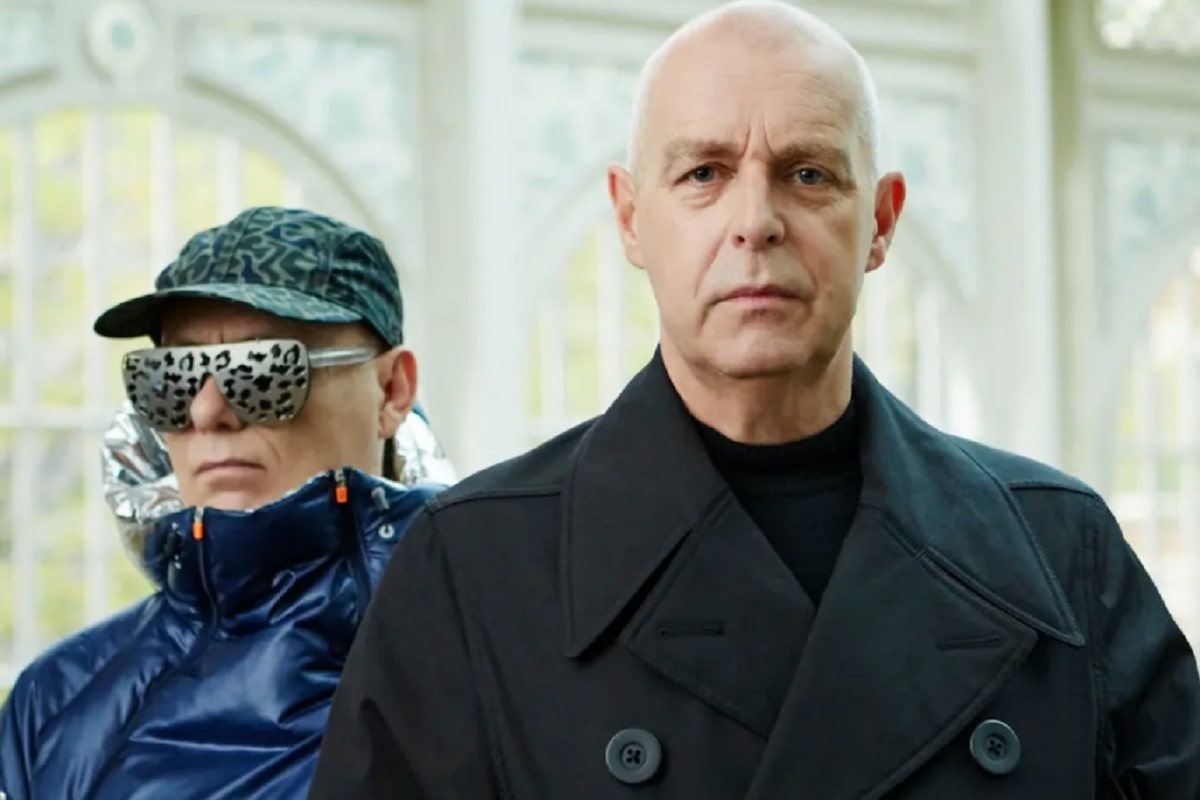
El concepto de culpa puede tener múltiples interpretaciones: puede relacionarse con la acepción católica, con el peso de una mentira, con los remordimientos individuales o entenderse como responsabilidad ante ciertos sucesos. A continuación, cuatro canciones que abordan la culpa desde diferentes puntos de vista. Pet Shop Boys – «It’s a Sin» Estrenada en 1987, esta […]
Ver más noticias en Indie Hoy.
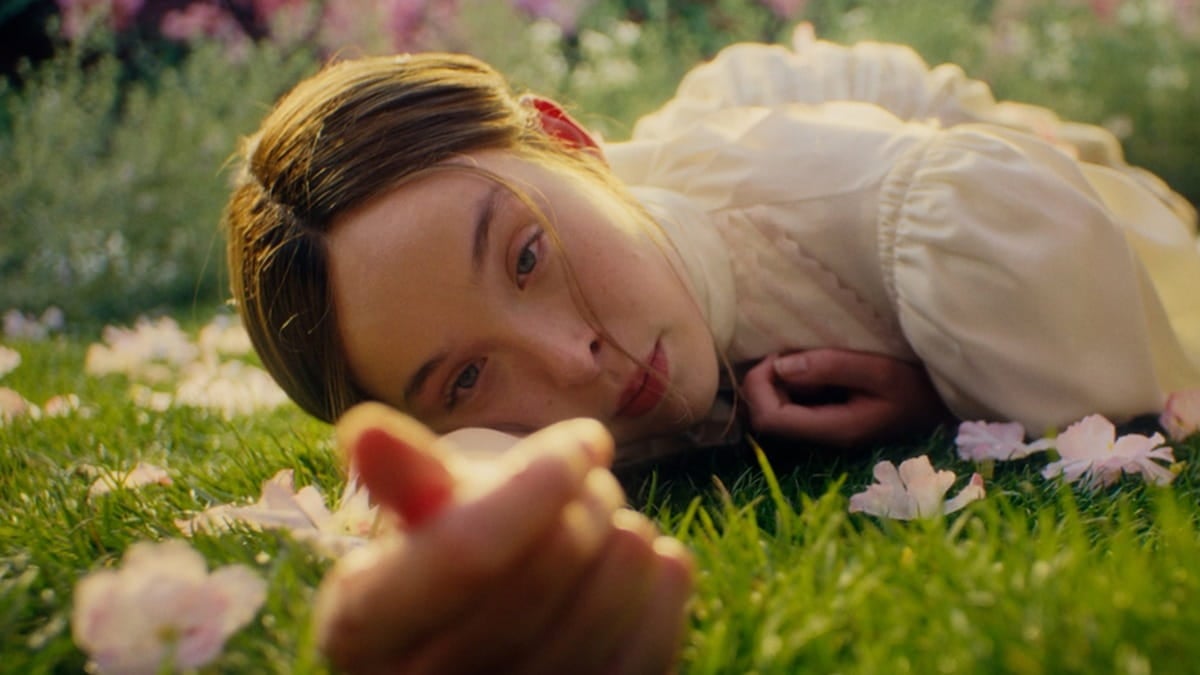
Netflix acaba de estrenar el tráiler de Monstruo: La historia de Lizzie Borden, la cuarta entrega de la serie antológica a cargo de Ryan Murphy e Ian Brennan, que se enmarca dentro del true crime y ficcionaliza historias de asesinos que han causado conmoción popular. En esta oportunidad, la serie abordará desde la ficción la […]
Ver más noticias en Indie Hoy.

Desde siempre, la música estuvo llena de canciones que parecen tan familiares que uno podría pensar que cualquiera es capaz de cantarlas de memoria. Sin embargo, lo curioso es que incluso algunos de los clásicos más universales esconden un detalle que suele pasarse por alto: la gente los canta mal. Muchas veces, entre la rapidez […]
Ver más noticias en Indie Hoy.

Cada melómano tiene un puñado de canciones favoritas de todos los tiempos y, por supuesto, Stevie Nicks no es la excepción. En su paso por el programa Tracks of My Years de la BBC Radio 2 en 2011, la cantante elaboró una lista con sus 10 temas favoritos, la cual podés ver al final de […]
Ver más noticias en Indie Hoy.