


Courtesy of the artist

Síguenos en Redes




Dave Marsh, one of the most influential music writers of his generation and a passionate activist for health care, social justice and freedom of expression, died on Friday (Aug 14).
The cause of his death has not been reported but he had been in declining health in recent years.
Related
Born in Pontiac, Michigan, in 1950, Dave grew up immersed in the sounds of Detroit — Motown, R&B, and rock ‘n’ roll — inspiring a lifelong belief in the power of music.
Marsh was among the first editors of Creem magazine when it launched in 1969. He wrote extensively for Rolling Stone and other publications and authored more than two dozen books on artists including Elvis Presley, The Who and Bruce Springsteen. His 1979 biography, Born to Run: The Bruce Springsteen Story, became a New York Times bestseller. In 1993, Marsh shared a Grammy for best album notes for Aretha Franklin’s Queen of Soul.
He also co-founded the newsletter Rap & Rock Confidential and, in 2004, joined SiriusXM, hosting Kick Out the Jams for 19 years, along with Live from E Street Nation and Live from the Land of Hope and Dreams.
He was married to Barbara Carr, longtime co-manager of Springsteen. Following the death of their daughter, Kristen Ann Carr, in 1993 at age 21 of sarcoma, a rare form of cancer, Marsh co-founded and served as a trustee of the The Kristen Ann Carr Fund to advance sarcoma research and support families affected by cancer.
“Here on E Street, the irreplaceable loss of Dave Marsh has us heartbroken,” Springsteen wrote in a statement shared Saturday on Instagram. “My great friend Dave, with his straight out of Detroit attitude, was a true Rock ‘n’ Roll lifer. He was soulful, intelligent, heartfelt, opinionated, bruising and often fantastically argumentative. Watching Jon Landau and Dave drive each other crazy over some arcane piece of music would make my day. He wrote the first book about me, Born To Run, and Dave always had my back. He deeply believed in what I was trying to accomplish and his lifetime of support meant the world to me.”
Added Springsteen, “More than anything else, I admired Dave as a man of conscience and commitment. He lived and stuck by his values come hell or high water. Wherever he is, I hope he’s receiving some of the grace, happiness and reward he’s brought into my life. God bless you Dave.”
“Dave Marsh has always been a tireless advocate of justice, human rights and rock ’n’ roll,” wrote Tom Morello, co-founder of Rage Against the Machine, in 2023 upon the publication of an anthology of Marsh’s work titled Kick Out The Jams: Jibes, Barbs, Tributes, and Rallying Cries from 35 Years of Music Writing.
“His pen and voice are an important player in the history of the music we love and the struggle for a more just and decent world,” Morello wrote.
Lauren Onkey, the former senior director of NPR Music, in her introduction to Kick Out the Jams, wrote: “Dave Marsh has been writing about music like our lives depended on it.”
In 2021, a host of authors, activists and artists — including Morello, Pete Townshend, Springsteen, Nona Hendryx, Dion DiMucci, Jackson Browne and Steven Van Zandt — took part in online sessions billed as ” Land of Hope and Dreams: A Celebration of Dave Marsh’s Work and Vision.”
Across more than five decades, through his writing about music, Marsh offered insights into issues of community, class, race, politics, health, the environment, the music industry and more. Marsh also was a generous mentor and advocate for many younger music writers.
Marsh “helped build alliances that fought against racial and class bigotry and for free speech, voting rights, economic justice — inside and outside the music industry — environmental justice, universal health care, cancer research, as well as visions of human liberation,” said longtime friend and anthology co-editor Danny Alexander at the time of that 2023 celebration. “Perhaps more than anyone I know, he taught me what that old Woody Guthrie line meant: ‘Nobody wins unless everybody wins.’”
Marsh was predeceased by his daughters Kristen Ann Carr and Sasha Carr. He is survived by his wife, Barbara Carr. A complete list of his survivors and plans for a service were not immediately available.

From career milestones to new releases to major announcements and those little important moments, Billboard editors highlight uplifting moments in Latin music. Here’s what happened in the Latin music world this week.
Romeo Santos is turning a very personal experience into a broader mission. On Tuesday (Aug. 11), the bachata superstar announced the launch of Fundación Los Santos, a registered 501(c)(3) organization created to support children with autism and their families through greater access to resources, educational opportunities, developmental programs and community initiatives.
“As a father of a child with autism, I have experienced firsthand both the joys and challenges that many families face every day,” Santos said in a statement. “The Los Santos Foundation seeks to help families feel seen, supported and empowered, contributing to a more hopeful future for so many children.”
With a personal contribution from Santos, the foundation’s initial efforts will focus on grants, strategic partnerships, family resource centers, social and developmental opportunities for children, and collaborations with schools and community organizations. Additional initiatives are expected to be announced in the coming months.
Los Ángeles Azules’ decades-long cumbia legacy will be celebrated with a new street designation in L.A. On Sept. 14, Los Angeles City Councilmember Imelda Padilla will host a ceremony naming the intersection of Van Nuys Boulevard and Chase Street in Panorama City Los Ángeles Azules Square, honoring the group’s cultural impact ahead of Latino Heritage Month.
“It is an incredible honor for Los Ángeles Azules to receive this recognition from the City of Los Angeles,” said the group in a statement. “Having the iconic corner of Van Nuys Blvd. and Chase Street in Panorama City bear our name represents much more than a tribute to our career, it is a symbol of the deep bond we have built over so many years with this city, the Latino community, and the families who have made our music part of their lives.”
They continued: “We were proudly born in Iztapalapa and have had the immense privilege of seeing our music embraced in so many places around the world. Without a doubt, the City of Los Angeles holds tremendous meaning for us and will always have a very special place in our hearts. Here, generations of fans have welcomed us with open arms, danced to our cumbia, and passed our music down from parents to children, making it part of the cultural history of this great city.”
The ceremony will include the unveiling of the band members’ handprints in cement, along with remarks from city officials, community leaders and the group.
Eladio Carrión’s Sauce for a Cause Foundation is bringing its annual Saucegiving community celebration back to his roots in Humacao, Puerto Rico, on Dec. 6. Now in its sixth year, the free event will combine sports, music and community programming, including a celebrity softball game, Home Run Derby, baseball clinics for hundreds of young people, a dog adoption fair and SauceMarket merchandise.
“Saucegiving is something that means a lot to me because it’s about giving back to the people and community that have supported me throughout my journey,” Carrión said in a statement. “Every year, we get to bring more families together, create new opportunities for our youth and make a bigger impact.”
Through Sauce for a Cause, founded in 2020 under the umbrella of Fundación Rimas, Carrión has supported more than 17,000 people across Puerto Rico, Latin America and the Caribbean through initiatives focused on youth development, animal welfare, community empowerment and disaster relief.
Courtesy of the artist
Rosalía delivered an unforgettable moment during her Lux Tour on the second night at Rio de Janeiro’s Farmasi Arena on Tuesday (Aug. 11). Stepping to the front of the stage for an intimate, stripped-back segment, she stunned the Brazilian crowd by singing a raw, a cappella rendition of the iconic Argentine rock anthem “Un Vestido y Un Amor” by Fito Páez.
Before singing, the Spanish superstar shared with the audience that she had watched icon Caetano Veloso perform live in the city just days earlier, which deeply inspired her to pay homage to him. By performing “Un Vestido y Un Amor” — a track Veloso famously covered and popularized in Brazil — Rosalía beautifully bridged Argentine rock, Brazilian MPB history, and her own signature vocal artistry into a single, breathtaking moment of cross-cultural admiration. Watch the moment here.
All products and services featured are independently chosen by editors. However, Billboard may receive a commission on orders placed through its retail links, and the retailer may receive certain auditable data for accounting purposes.
The UFC is headed to the “City of Brotherly Love” for UFC 330. Two top fighters will face off in the main event, as Russian Islam Makhachev (28-1-0) defends his welterweight title against Irish fighter Ian Machado Garry (17-1-0) on Saturday (Aug. 15).
UFC 330 takes place at Xfinity Mobile Arena in Philadelphia, Pennsylvania, with a start time of 5:30 p.m. ET/2:30 p.m. PT. The main card begins at 9 p.m. ET/6 p.m. PT, with the main event starting around 11:30 p.m. ET/8:30 p.m. PT.
Although the UFC has yet to announce each fighter’s walkout songs for UFC 330, both usually go out to the octagon to the same songs during their matches. Makhachev has walked out to “Dreams” by DJ Nariman, while Ian Machado Garry prefers to walk out to “Layla” by Derek and the Dominos.
Every UFC event is available to livestream on Paramount+ for subscribers for free. There’s no more pay-per-view fees to watch UFC events. You just need a subscription to Paramount+.
The Paramount+ Essential Plan, which gives you access to tons of TV shows and movies with limited commercials, increased a dollar to $8.99 per month (or $89.99 per year). The ad-free plan got a small price bump as well to $12.99 per month (or $129.99 per year), but it now includes Showtime, along with everything in the Essential Plan and access to your local CBS station.
After the free trial ends, your plan will automatically renew at the regular rate, but you can cancel any time.
Although it doesn’t offer a free trial anymore, you can get access to Paramount+ for just $1 if you sign up for Walmart+. The retailer’s rewards program offers access to Paramount+ at no extra cost, while Walmart+ also offers a 30-day trial to take the service out for a test drive.
Shoppers can receive access to Paramount+ included with any Walmart+ subscription, the retail giant announced last September. A Walmart+ subscription is $98 for the annual plan (about $8.17 per month) after the 30-day trial.
Including a five-day free trial, the streaming service DirecTV comes with free access to Paramount+ with its “Premier” package, which goes for $129.99 for the first month of service ($169.99 per month afterward). It features more than 185 channels, as well as access to ESPN Unlimited, HBO Max, Disney+, Hulu and other streaming services, unlimited DVR storage and the ability to stream on three devices simultaneously. Once the five days are up you’ll be charged the subscription price based on what package you choose at checkout.
Main Card, 8 p.m. ET/5 p.m. PT — Paramount+
Prelims, 7 p.m. ET/4 p.m. PT — Paramount+
Early Prelims, 5:30 p.m. ET/2:30 p.m. PT — Paramount+
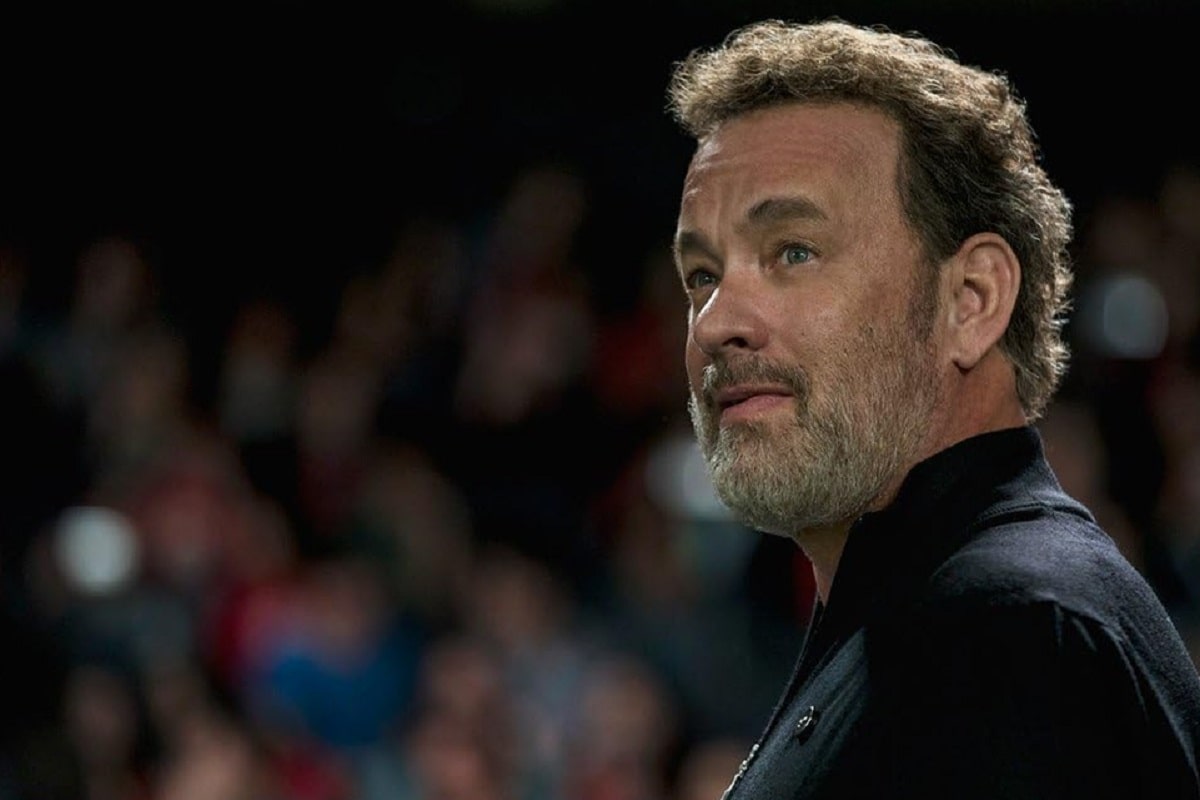
Tom Hanks nació a mediados de la década de 1950, un momento de la historia en el que estaba explotando el rock and roll. El actor de Hollywood se crió escuchando esta música y disfrutando de algunos de los más grandes artistas que hacían bailar a la juventud y transformaron la música moderna. Cuando cumplió […]
Ver más noticias en Indie Hoy.
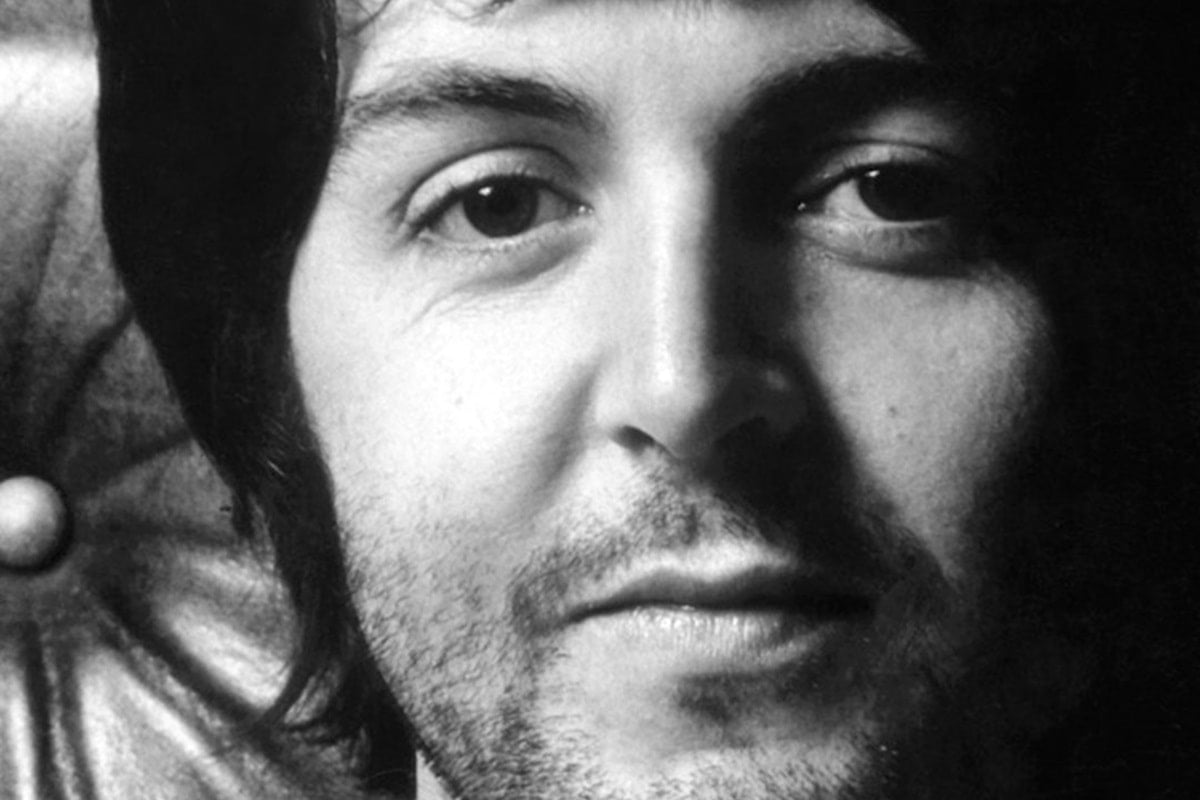
The Beatles fue conocida por su formación con Paul McCartney, John Lennon, George Harrison y Ringo Starr, pero esta no fue la alineación original. Al comienzo de la banda, Pete Best estaba a cargo de la batería y Stuart Sutcliffe era el bajista designado. Sutcliffe no era músico pero, al ser amigo y compañero de […]
Ver más noticias en Indie Hoy.
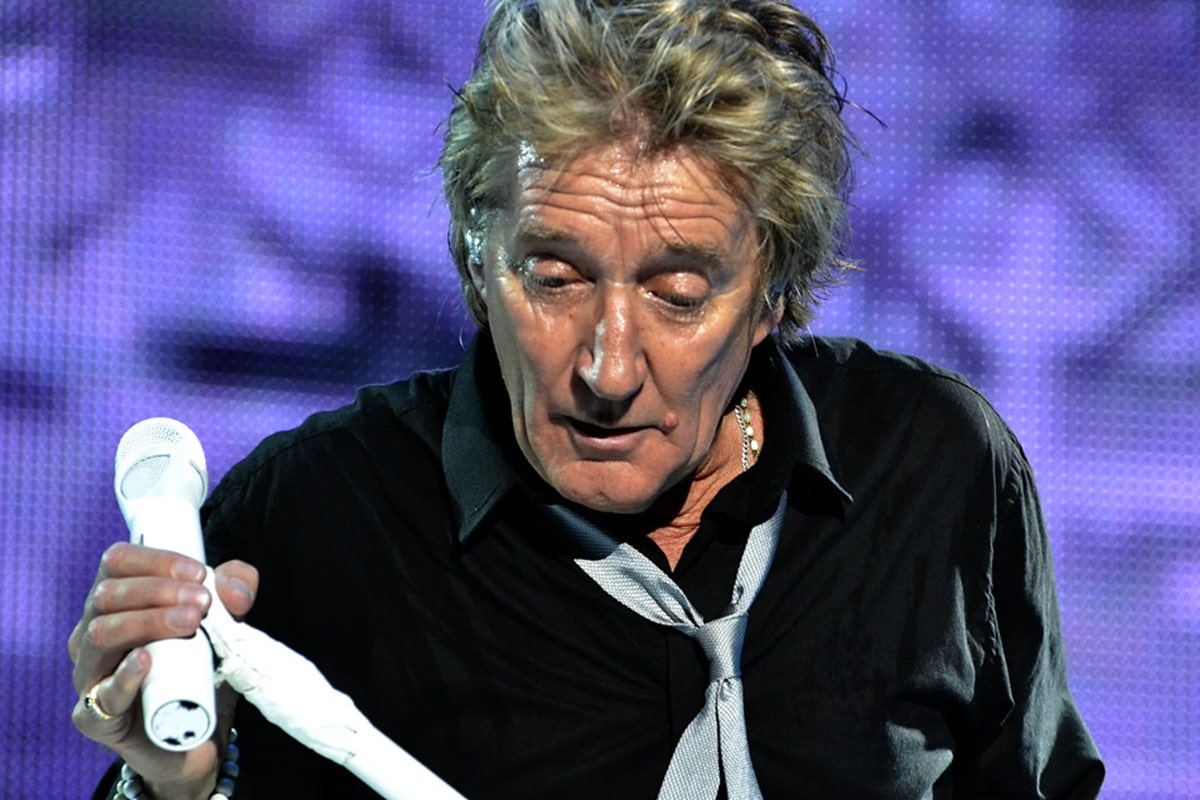
Rod Stewart es reconocido por ser un gran frontman y por su versatilidad musical. Su carrera se ha desarrollado entre el rock, el pop, el jazz y el folk, y resulta sencillo entender sus decisiones artísticas al conocer la música que más le apasiona. A partir de una serie de entrevistas recogidas por Far Out […]
Ver más noticias en Indie Hoy.
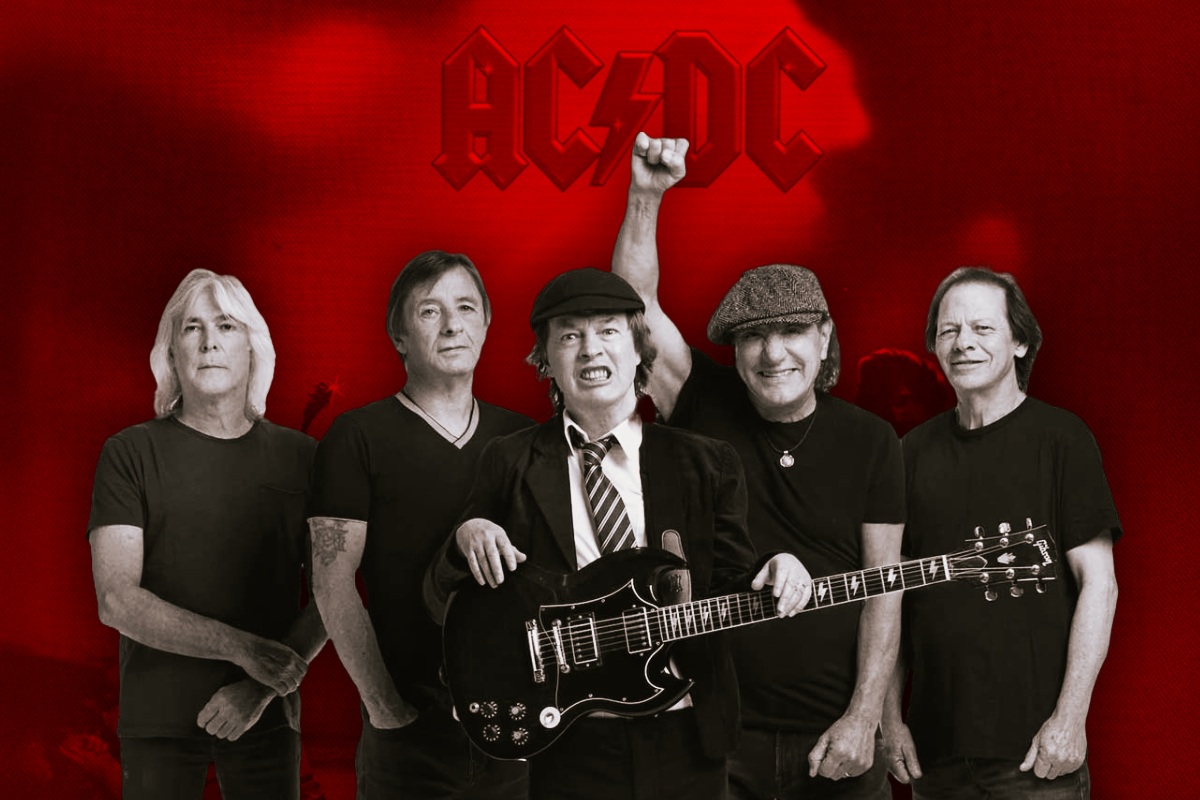
A lo largo de más de cinco décadas, AC/DC logró construir una de las discografías más reconocibles de la historia del rock. Desde los primeros años con Bon Scott al frente hasta la consolidación internacional junto a Brian Johnson, la banda australiana fue influencia para millones de músicos a lo largo del mundo y un […]
Ver más noticias en Indie Hoy.
After nearly 30 years together, Slipknot is parting ways with keyboardist and DJ Sid Wilson.
The news came in a since-deleted Instagram and website post from the Grammy-winning heavy metal band on Friday (Aug. 14) after weeks of speculation about Wilson’s status in the group. The statement remains posted on the Instagram account for Knotfest, the music festival created in 2012 by Slipknot.
Related

Jim Root Comment Raises Questions About Reports of Sid Wilson’s Alleged Firing From Slipknot: ‘Don’t Believe Everything You Read’

Kelly Osbourne Bashes ‘Spectacularly Classless’ Dee Snider For ‘Diminishing’ Ozzy’s Lyrical Contributions to Solo, Sabbath Albums
“Effective immediately, Slipknot will no longer be associated with Sid Wilson,” the statement reads. “We wish him the best in his future endeavors.”
The Knotfest Instagram caption adds: “Slipknot have parted ways with Sid Wilson. The announcement could briefly be found on the band’s website.”
Billboard has reached out to a rep for Slipknot for further details.
Wilson joined Slipknot in 1998, having been recruited by the Des Moines, Iowa-founded heavy metal band as its ninth member for his impressive DJing skills. He joined just before the group’s mainstream breakthrough, when they signed to Roadrunner Records and released their 1999 self-titled debut album.
The project was the band’s first on the all-genre Billboard 200 albums chart (peaking at No. 51 in May 2000), where they’ve since landed six top 10s and three No. 1s: 2008’s All Hope Is Gone, 2014’s .5: The Gray Chapter and 2019’s We Are Not Your Kind. In 2006, the band took home their lone Grammy, best metal performance for the song “Before I Forget,” among 11 career nominations.
Last month, TMZ reported that Wilson — known for wearing a gas-mask-like face covering amid the famously masked band — was notified July 31 that he’d been let go from the group. With no official word from the band or Wilson himself, comments from Slipknot guitarist Jim Root on Instagram planted seeds of doubt around the report. “Don’t believe everything you read,” Root wrote in a since-expired Instagram Story post, according to People. “Stop. Think. Take a breath. Sit with it for awhile. Maybe. Just maybe even wait until there’s more information.”
Friday’s posted-and-deleted statement exactly two weeks later is the first word from Slipknot on the status of Wilson, who also reportedly broke off his engagement to Kelly Osbourne in March.
Slipknot’s most recent album was 2022’s The End, So Far, which debuted and peaked at No. 2 on the Billboard 200.
Courtney Love has told fans that her long-awaited new album is complete, while opening up about a health scare that she says nearly killed her after moving from Los Angeles to London in 2019.
In a video posted to Instagram, the Hole frontwoman said she was stepping back from social media for a few weeks and addressed persistent questions about her next record. “A lot of you are asking where my record is at. It’s done. It’s kind of been done,” she said. “It’s a really good record. I put a lot into it.”
Love went on to describe the illness that followed her relocation to London. Without specifying a diagnosis, she said her body “exploded” and that she was frequently hospitalized. She has spoken before about serious health struggles, revealing in 2021 that she had nearly died the previous year while hospitalized for anemia, during which she said she was “stigmatized for being an addict” by doctors.
She closed the video reflecting on Hole’s most recent album, 2010’s Nobody’s Daughter, and its commercial disappointment. “Spectacularly humbling,” she said, recalling playing a festival slot at 11 a.m. while Limp Bizkit and 30 Seconds to Mars headlined. Looking ahead, she praised the current state of music: “People sound great live. The girlies are amazing.” She added: “I will be back.”
One of the defining figures of 1990s alternative rock, Love formed Hole in Los Angeles in 1989. The band’s 1994 album Live Through This — released days after the death of her husband, Nirvana frontman Kurt Cobain — became a landmark of the era, and its 1998 follow-up Celebrity Skin became the band’s highest-charting release, debuting at No. 9 on the Billboard 200 and earning four Grammy nominations. Its title track spent time atop Billboard’s Modern Rock Tracks chart.
Hole disbanded in 2002; Love has released one solo album, 2004’s America’s Sweetheart, and the band briefly reformed with a new lineup for 2010’s Nobody’s Daughter, which reached No. 15 on the Billboard 200.
Después de varias secuelas improvisadas y de una popularidad cada vez más tenue, la franquicia de terror ficticia Camp Miasma cae en manos de Kris (Hannah Einbinder), una joven cineasta independiente convocada para devolverle la vida a este viejo universo slasher. Su búsqueda la conduce hasta Billy Presley (Gillian Anderson), la misteriosa y recluida protagonista de la película original, quien vive en el campamento donde fue rodada aquella cinta.
El encuentro entre ambas mujeres abre una puerta hacia un territorio bañado en sangre, deseo, miedo y delirio. Lo que comienza como una sátira sobre la obsesión de Hollywood con las franquicias y los reinicios se convierte paulatinamente en una exploración sobre la identidad queer, la fantasía sexual, el trauma y las imágenes cinematográficas que continúan habitándonos mucho después de que la pantalla queda en negro.
Escrita y dirigida por Jane Schoenbrun, responsable de We’re All Going to the World’s Fair y I Saw the TV Glow, Teenage Sex and Death at Camp Miasma se apropia de los códigos del terror de los años ochenta para construir una película tan lúdica como visceral. Anderson y Einbinder conversaron sobre el tono de sus interpretaciones, la cercanía entre el sexo y la muerte, la creación de personajes femeninos complejos y una filmación que las obligó a abandonar las certezas y entrar, como sus personajes, en el bosque de lo desconocido.
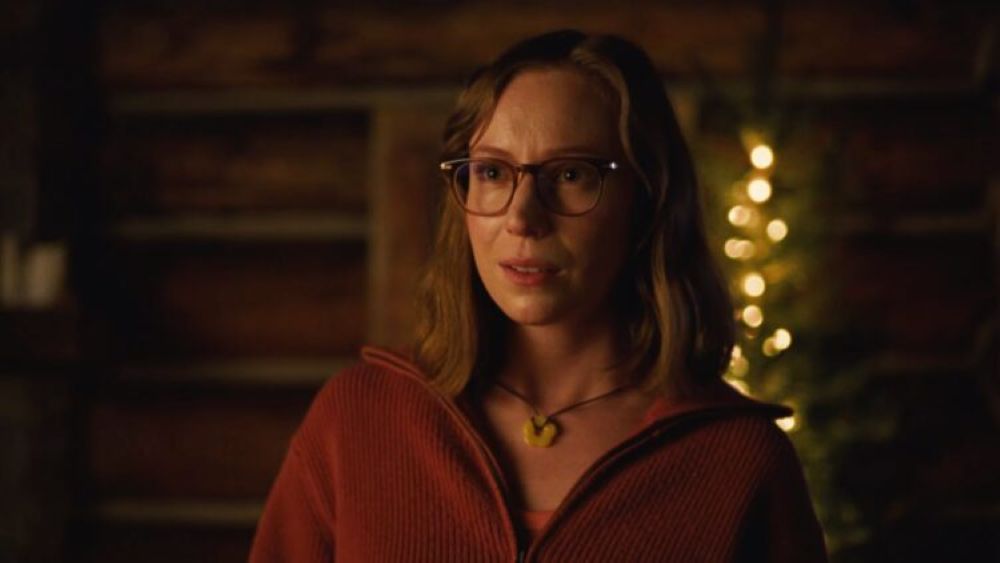
La película posee un marcado tono camp. ¿Hasta qué punto incorporaron conscientemente ese registro en sus interpretaciones? ¿Hablaron con Jane Schoenbrun acerca de cuán lejos podían llevar la voz, los gestos y la dimensión física de sus personajes?
HANNAH EINBINDER: Sinceramente, creo que son dos personas raras, y lo digo con mucho cariño. Solo puedo hablar por mí, pero tuve que aproximarme al personaje pensando: “Esta es una persona real, así es ella, esta es su realidad; estos son sus gestos y sus movimientos particulares”.
Como actriz, no puedes interpretar un personaje manteniendo una conciencia meta narrativa sobre él. Es importante asumir que esa persona es así. Kris y Billy no son mujeres convencionales, pero tiene sentido que se encuentren tan profundamente conectadas porque ambas son, cada una a su manera, un poco extrañas.
GILLIAN ANDERSON: Agradezco mucho que Jane me permitiera inclinarme hacia el camp y llevarlo tan lejos como quisiera. Entre el acento, el vestuario y el maquillaje, el equipo estuvo completamente abierto a todo lo que yo pudiera aportar.
Al mismo tiempo, para mí era fundamental que Billy permaneciera anclada en una verdad emocional, incluso cuando se presenta y habita el mundo de una manera tan particular. No quiero utilizar palabras que puedan sonar peyorativas porque, en realidad, me enamoré de ella. Fue una enorme alegría habitarla.
Debía conservar esa humanidad por la naturaleza de su relación con Kris. Quería que los espectadores que hubieran atravesado experiencias semejantes a las de ellas sintieran, a través de Billy, que existe alguien capaz de comprenderlos. Si ella hubiera sido demasiado afectada, exagerada o irreal, corríamos el riesgo de que quienes se identificaran con la historia no se sintieran vistos ni escuchados. No quería contribuir a una representación negativa o burlona de los temas que aborda la película. Fue un equilibrio muy interesante.
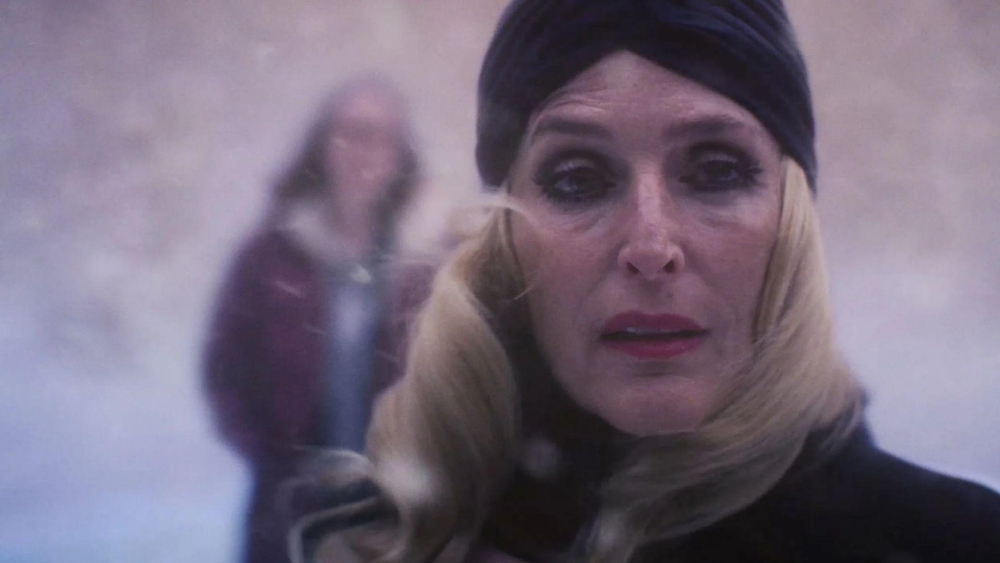
El título reúne el sexo y la muerte como si fueran experiencias inseparables y ritos de iniciación. ¿Por qué creen que ambos elementos suelen ocupar un mismo espacio emocional en los relatos sobre el paso a la adultez?
HANNAH EINBINDER: El villano de la película se llama Little Death, una alusión a la expresión francesa petite mort, utilizada para referirse al orgasmo como una pequeña muerte. Creo que allí se encuentra la síntesis de esa asociación.
El sexo y la muerte son dimensiones primitivas y fundamentales de la experiencia humana, desde los primeros seres humanos hasta nuestros días. Forman parte de una lista muy breve de asuntos que siempre han sido centrales para la humanidad. Quizá están relacionados precisamente por esa condición profundamente humana, pero también porque ambos implican renunciar al control.
GILLIAN ANDERSON: Es una pregunta muy buena. Cuando somos adolescentes, aunque nos encontremos muy lejos del final de nuestra vida, muchas experiencias parecen adquirir la magnitud de la muerte. Recuerdo que todo se sentía enorme, importante, devastador y difícil.
Jane ha contado que, después de su transición, sintió que estaba descubriendo nuevamente su adolescencia porque, de alguna manera, había vuelto a nacer. También ha hablado de la alegría y el alivio que encontró al explorar una sexualidad recién descubierta y reencontrarse consigo misma y con su cuerpo en una nueva encarnación.
Uno puede imaginar que, como les sucede a otros adolescentes al explorar su sexualidad, también deben aparecer el miedo, la ansiedad y todas esas emociones tan humanas. A lo largo de la historia, la conexión entre el sexo y la muerte ha alimentado relatos, canciones, novelas y películas. Esta historia lleva felizmente esa relación hasta el extremo.
Gillian, has transitado por géneros y personajes muy distintos, desde The X-Files hasta The Crown y Sex Education. ¿Qué hilo conductor encuentras entre esos papeles, especialmente entre aquellos que exponen una mayor vulnerabilidad sexual? ¿Esa clase de interpretación resulta vulnerable o liberadora para ti?
GILLIAN ANDERSON: Mi propósito siempre ha sido escoger personajes tan variados como sea posible y hacer cosas diferentes para no repetirme. Por un lado, he intentado aceptar papeles desafiantes, pero últimamente también he querido interpretar mujeres más humanas y cotidianas: mujeres que no necesariamente tienen todo resuelto, que son más vulnerables o que están atravesando verdaderas dificultades.
He interpretado a muchas mujeres que parecen tener todo bajo control, que son las jefas o están al frente de alguna institución. Buscar personajes diferentes también ha sido una manera de cambiar ese recorrido.
Una de las cosas que más me gustan de Billy es la manera simultánea en que conviven en ella la fortaleza y la vulnerabilidad. Encontré una puerta para acceder a esas dos dimensiones mediante el acento específico que elegí para el personaje. Sentí que me ayudaba a encarnar ambas cualidades al mismo tiempo.
Billy ha logrado comprender muchas cosas sobre sí misma. Incluso dentro de su vida solitaria, ha aceptado aspectos muy profundos de su identidad, y eso exige una enorme valentía. Sin embargo, su camino hacia el crecimiento y la comprensión personal no es precisamente el más convencional.
No sé cuál pueda ser el hilo conductor entre todos esos personajes, excepto que, al final del día, soy yo quien los interpreta. Billy ocupa un lugar junto a las demás mujeres que he encarnado, aunque se sienta muy diferente. Ella lleva su vulnerabilidad mucho más expuesta, casi sobre la piel, mientras que otras quizá han preferido ocultarla.
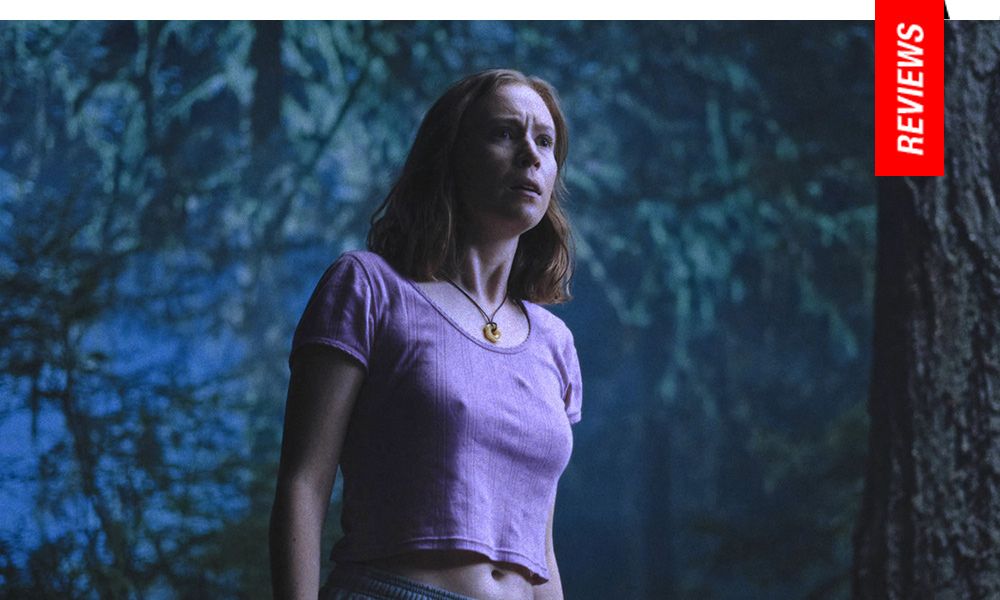
¿Qué encontraron en la visión de Jane Schoenbrun que las llevó a participar en la película y qué las sorprendió de su manera de dirigir?
HANNAH EINBINDER: Saber que Jane deposita en sus películas una parte tan grande de su experiencia emocional y de su verdad fue muy importante para mí. Cada obra funciona como una especie de cápsula del tiempo sobre aquello que está viviendo, su recorrido y su crecimiento personal. Eso revela una conexión muy profunda con el trabajo y la voluntad de mostrarse vulnerable a través del arte.
Jane fue exactamente así durante el rodaje. La experiencia de hacer esta película resultó profundamente conectiva y transformadora. Evidentemente, las imágenes son extraordinarias: Jane posee una mirada hermosa para la cámara y utiliza recursos cinematográficos increíbles. Pero también tiene la capacidad de establecer conexiones muy profundas con los demás, y esa es mi parte favorita del trabajo.
GILLIAN ANDERSON: Jane es extraordinariamente honesta con respecto a su propia experiencia y está dispuesta a hablar de ella con absoluta transparencia. Hay algo profundamente entrañable en esa actitud.
Aunque te pide que seas vulnerable y participes en algo emocional, revelador y crudo, también está dispuesta a entrar contigo en ese terreno y a exponerse de la misma manera. No había vivido algo así anteriormente. Lo disfruté mucho y fue un gran honor tanto presenciarlo como ser invitada a participar en algo que permanecía vivo y emocionalmente abierto durante todo el proceso.
¿Cuál era su relación personal con el cine slasher antes de esta película? ¿Qué pensaron al leer un guion que inicialmente parece una versión intelectual de Wes Craven’s The New Nightmare, pero que después avanza hacia territorios diferentes?
GILLIAN ANDERSON: No tengo ninguna relación con el slasher. El género y yo tenemos una cita pendiente.
HANNAH EINBINDER: Yo era aficionada al terror, pero el slasher constituía un subgénero que no había explorado con tanta profundidad. Me interesaban más la comedia de terror, lo sobrenatural, algunas películas de Saw, muchas adaptaciones de Stephen King y el terror clásico de John Carpenter.
Siempre bromeo diciendo que asistí a la “Academia de Cine Jane Schoenbrun para Señoritas”, porque Jane me entregó un programa de estudios extraordinario que me permitió sumergirme profundamente en el slasher.
Sin embargo, creo que el género más relevante para comprender la película es el drama psicosexual. Observamos obras como Persona, Crash, The Duke of Burgundy, Carol y Secretary: películas que exploran las relaciones y el deseo. En nuestra historia, el slasher rodea a los personajes y alimenta su universo de fantasía, pero su verdadero centro es psicosexual. Esa fue nuestra principal referencia.
Hannah, la película trabaja con ideas de identidad y transformación. ¿Crees que el público —especialmente las mujeres y las audiencias queer— busca personajes femeninos más complejos y no necesariamente agradables?
HANNAH EINBINDER: Siempre queremos personajes complejos, sin importar quiénes sean. Por supuesto que necesitamos mujeres complejas. Si tienes el privilegio de hacer una película, deberías asumir la responsabilidad de construir personajes que se sientan como seres humanos.
En ese sentido, ayuda muchísimo que las mujeres y las personas queer tengan la oportunidad de escribir sus propios personajes. Esa ha sido una de las claves del éxito de Hacks y también lo es en esta película. Cuando les permites a las personas ser autoras de sus propias historias, el impacto es enorme.
Quiero seguir interpretando seres tridimensionales. Es muy importante para mí y normalmente puede percibirse desde la primera lectura del guion. Esta fue una oportunidad extraordinaria para encarnar a una persona que atraviesa una transformación. Poder observar cómo alguien cambia durante el transcurso de una película es algo muy difícil de conseguir, porque el tiempo es limitado.
Esas son las historias que me inspiran, las que me encienden por dentro y las que deseo encontrar cuando voy al cine.
The post Gillian Anderson y Hannah Einbinder: «El sexo y la muerte implican renunciar al control» appeared first on Rolling Stone en Español.


