




Tiny Harris has finally broken her silence on the explosive beef between 50 Cent and her husband, rapper T.I.
Related


“I really didn’t give a damn. I already told my assistant, ‘He’s gonna bring me into this.’ I already knew it was coming. I was expecting it, but nobody else, I don’t think, was expecting it,” she reflected on the Thursday episode of The Breakfast Club (March 26).
“He should have kept the beef with the man he was dealing with,” she continued. “You’re a man dealing with a man, you ain’t got nothing to do with me. I don’t got nothing to do with this. Who goes after the woman? That’s crazy. You should be dealing with the man. That’s y’all beef, right?”
Fiddy and Tip have had static since the late 2000s, and their discord was reignited after the Queens rapper posted a picture of Tiny to his social media pages and mocked the appearance of the couple’s eldest son, King Harris. Both King and his older brother Domani — a rising rap star and T.I.’s son from a relationship with LaShon Thompson — responded with incendiary diss tracks and social media takedowns, while their father stepped into the ring with the scathing “The Right One.”
“It was a proud moment that they wanted to speak up for their mom, and I feel like the songs were really good, especially Domani [with] ‘Ms. Jackson,’” Tiny said, later explaining that King “took it very personal” and ignored her requests to delete some of his responses from social media. For his part, earlier this month (March 3), T.I. told The Ebro Laura Rosenberg Show that he didn’t “enjoy” his sons hopping into the battle. “I raise my children to be men of respect,” he said. “Logical, reasonable and not to be emotional.”
Two weeks ago (March 10), Fiddy tapped Grammy-winning R&B star Leon Thomas for “No One Told Us,” the theme song for his upcoming Power: Origins series that also doubles as his response to T.I. and his sons. “I’m back on my dope boy grammar/ Your daddy made your mama eat every box in Atlanta,” he rapped.
The Fiddy-Tip beef has subsided for the time being, with the Atlanta MC turning his attention to his forthcoming Kill the King album, which has already launched a Billboard Hot 100 top 40 hit with the Pharrell Williams-produced “Let ‘Em Know” (No. 36).
Listen to Tiny address T.I. and 50 Cent’s beef below.
Talking to Billboard over Zoom from Los Angeles a week before the release of her third studio album, Slayyyter looks fresh faced and pretty while laying in bed talking about music. It’s thus counterintuitive when she reveals that she wanted the aesthetic for this LP, Wor$st Girl in America, to be, as she says “Really gross. I wanted this album to look ugly.”
But in the context of her trajectory this creative instinct makes sense. Landing in the music industry after growing up in a “very, very, very, very dysfunctional household” in St. Louis, in her earlier years Slayyyter often presented herself (intentionally or not) as a party animal in blonde extensions, the messy girl crying in the bathroom at the end of the night. The heaviness and swagger of her music paralleled these tendencies, with the work developing a significant cult following even as she judged herself for not abiding by the metaphorical “charm school lessons” other pop stars seemed to have had.
Coming after a period where she seriously considered quitting music, Wor$t Girl In America is a rejection of trying to be something she’s not, with the music and corresponding visuals trading polish for rawer, rougher, darker and more emotionally vulnerable themes. The music also slaps, synthesizing industrial, electro-pop and iPod party music into a work that feels honest and the right kind of raunchy.
Ahead of a 30-date (and largely sold out) North American and European tour behind the project — and her Coachella debut next month — Slayyyter talks about the new music with Billboard below.
This part of your bio stood out to me: “Leading up to her third album, Slayyyter was sick of the music industry and of herself, or at least people’s ideas of her. A crisis of faith was purged in Miami during a stint split between the studio and nightclubs.” Want to unpack that a bit?
I went to Miami for a month with a friend, and was thinking about where I stood in music and everything I’ve done, and how my last album didn’t really do what I guess people thought it was going to do. I had a come-to-Jesus moment of, like, “You know what? I am just going to make a really crazy last project, and I’m going to make it cool to myself, and not try to make it sound appealing to anyone but me.” I wanted to reference things that inspired me when I was a teenager.
Then what happened?
When I came back from Miami, we started work on this project, and I just kept saying, “I’m going to go back to school after this. I’m done. This is going to be my last project. I’m going to do one last rollout and give it my all, and then I’m going to tell my team that I’m over doing this and shift gears, because it’s not working out.” Then I rediscovered my love for making music while working on everything, and ended up signing to Columbia for this project, and everything has been so great. I really felt hopeless, so I think all of this music came from a place of wanting to make a project that fulfilled me, and then to move on with my life.
Did having that idea that you were going to move on with your life when the album was done affect what you were making?
The biggest mantra I had going into the studio was, “If I die tomorrow, would this be a song I’d be proud of or think was cool, or would it be a song that if people put it on at a party, I’d be embarrassed about?”
I have a lot of songs that are of the time. I’m not trying to hate on my older music — because everything serves its purpose at different times in life — but I wanted to make something about more than just being a Twitter meme artist. I went in referencing things I didn’t think were going be very popular with my audience. I wasn’t working with songwriters or making music from a place of, “This is going be huge,” or, “We need to make this sound like a hit.” I was going in and making things that felt right and cool to me.
Wor$t Girl In America is out on Columbia Records, after you had initially considered releasing it independently. What were those early conversations with the label like?
I kept saying things that ended up not even being so true. I was like, “I want this to be really gross. I want this album to look ugly. I want to be ugly. I want to be myself. I don’t want to do the whole beautiful fashion thing, and I don’t want the images to feel super curated and stylized. I want to style myself. I want to wear wrinkled jean shorts off my bedroom floor, and that’s the spirit of this album. And I want to wear grills and lean on a natural swagger rather then curating something glossy and pop star.”
They were so down for and intrigued by that. And I was surprised, because I feel like when someone says “I want to look ugly and crazy,” that’s not a great selling point. But I feel like they understood my vision from the beginning, and didn’t want to dilute or override my creative decisions, because they respected the cult following I’ve built for myself. They’ve been so incredible in helping uplift my vision and giving me advice, tools and strategy to roll this music out properly, and give this album what it needs.
How much of wanting to be ugly and gross was a reaction to the very high gloss pop star image you presented with your last album Starf–ker?
I think it had a lot to do with it. All the imagery for Starf–ker was very glamorous and Hollywood starlet, a lot of makeup and fashion and everything. It was fun to play with that, but it also doesn’t feel true to me. It definitely married the music very well — and, like, I love that album. I’m not trying to talk s–t on a previous project just because this is the new thing I’m doing. But I was sick of not only my own over-stylized imagery… I feel like everything we see these days is just so over-stylized. Big makeup, big hair moments. Nothing feels loose or effortless. And even when people are doing effortless visuals, there’s still a lot of stylization and curation that goes into everything — and I just felt so disconnected from where I was when I started making music, which was a very DIY approach to everything. Sometimes I would look crazy, but there was a charm to it.
I laughed at the line in your bio that described you as “Midwest core tweaker core.” Tell me about who that is, and how much of it is drawing from your childhood and young life in Missouri.
Oh that is 100% me, honestly. Whenever I tell people about my musical beginnings, I always says how I was, like, plucked out of St. Louis and dropped into this world without charm school lessons on how to walk and talk, and like, “Hey, maybe don’t have 10 drinks at a party and go berserk.” I feel like I came onto the scene with crazy looking platinum blonde hair extensions, and I was a hair salon receptionist, and always felt like I was too much.
I just felt so nervous and out of place that I would overcompensate with being drunk or crazy. I’ve honed it back over the years, and I’ve matured a lot, but it’s funny to look back on, because I was just taken from this townie bar culture and dropped into this very other place — not by mistake, but I wasn’t like, prepped for it.
Have you changed?
I’ve grown out of it a lot. People are always shocked when I say this, because I know this album feels like a fever dream party trip — but I do not really like to drink that much anymore. I try staying out of trouble as much as possible. I stay home and do little hobbies and watch my movies and whatever. The tweaker energy is a funny thing looking back. I really used to feel like the party clown.
There’s some sensitive stuff on this album, particularly in the second half. To what extent if any is this music a reckoning with that party clown past self?
I have had a reckoning with my past, and have become a little more self-forgiving about issues I might have or why I am the way I am. A movie that inspired me a great deal for this project was Uptown Girls, which is my favorite movie of all time. since I was a little little girl. Re-watching it as an adult, there’s a lot of themes about maturation and how your childhood conditions you to be the way you are.
I used to be so hard on myself. Like “God, why do you have to drink so much? Why are you so crazy? Why can’t you just be normal and not have freak outs in the bathroom?” As I’ve gotten older, I’ve been more self forgiving, because I had a difficult time as a kid.
Do you want to say more about that?
I grew up in a very, very, very, very dysfunctional household. I don’t really have a relationship with my father, and he affected me a lot from a young age. That all kind of conditioned me to be the way that I am now. It’s not an excuse for acting crazy or being whatever, but I think I have matured and grown a lot, and I look back on my past self, and don’t cringe as hard. Me being drunk on the mic at someone’s DJ set who doesn’t want me onstage, that’s okay. It doesn’t really matter. Like, nothing matters. We’re all gonna die. I think if people understood more about where I come from or what my childhood was like, it wouldn’t all seem so embarrassing or crazy or out of place.
Is this project then a sign of maturation?
Definitely. I tapped back into my high school influences, and some of the songs have an immature, teenage angst. But it feels like I’ve grown into my skin and into myself as like an artist. This project feels like my final form and who I am at the core as an artist.
Now that’s you’re on the other end of making it, are you still ready to go back to school and leave this part of your life behind?
I honestly don’t know if I would go back to school. I would love to. I have pretty severe ADHD and get really fixated on hobbies and things like sewing and costume construction. I feel like I’m too old to go back to school for that, but maybe I’m not. I’d love to take classes and lean more into that, because I am obsessed with clothes. I love constructing my own costumes, which I’ve done a ton during this album cycle.
But really, the biggest lesson I’ve learned throughout music and through past projects is to not put expectations on anything. I feel very grateful that people are paying attention and resonating with this music, and I don’t really need some big breakthrough to sleep at night.

All products and services featured are independently chosen by editors. However, Billboard may receive a commission on orders placed through its retail links, and the retailer may receive certain auditable data for accounting purposes.
Major League Baseball is back and already in full swing. The New York Yankees and San Francisco Giants kicked things off on Wednesday, March 25, with Aaron Judge and the Yanks showing their dominance with a 7-0 shutout victory. With opening weekend upon us, the baseball action only continues with eight games slated for Friday. Today, March 27, fans will get Game 2 of the Yankees vs. Giants series and the Diamondbacks facing the defending champs, the Los Angeles Dodgers.
For the 2026 regular season, MLB games will be spread across five TV networks (NBC, FOX, ESPN, TBS and MLB Network) and six streaming services (Peacock, Hulu + Live TV, ESPN Unlimited, DirecTV, Apple TV and Fubo), so if you don’t have cable, there are a number of ways to stream baseball game online and for free.
Watch the 2026 MLB Season, At a Glance:
- Date: 3/25 – 9/27
- TV Broadcast: NBC, FOX, ESPN, TBS and MLB Network
- Streaming: Peacock, DirecTV, ESPN Unlimited, Fubo, Apple TV and Hulu + Live TV
To make sure you are baseball-ready to watch a full day of America’s pastime, we’ve compiled a list of all the best ways to stream the upcoming 2026 MLB season from the comfort of your home. Keep reading for more ways to stream games from anywhere.
Where to Watch the 2026 MLB Season Online
When it comes to nationally televised MLB games, there are plenty of ways to watch and stream without cable or satellite. Throughout the season, games will be available to stream on FuboTV, DirecTV, Sling TV, Hulu + Live TV, Peacock and ESPN Unlimited.

A subscription to DirecTV — which comes with NBC, USA Network, CNBC, MS Now, Bravo, NBC Sports and other NBCUniversal Networks — gets you access to live TV, local and cable channels, starting at $84.99 for the first month of service ($89.99 per month afterward) for signature packages. The service even offers a five-day free trial to watch for free, if you sign up now.
You can watch local networks such as ABC, CBS, FOX and PBS, while you can watch many cable networks, including FS1, Lifetime, FX, AMC, A&E, Bravo, BET, MTV, Paramount Network, Cartoon Network, VH1, Fuse, CNN, Food Network, CNBC and many others.

The simplest way to get instant access to NBCUniversal networks is through the channel’s official streaming platform, Peacock. While there is no free trial for new users, the platform offers cheap plans starting at just $10.99 per month, or you can get an annual plan for $109.99 per year (which gets you 12 months of streaming for the price of 10).
You can look forward to streaming live sports, such as MLB on NBC, Premiere League, NBA on NBC, 2026 World Cup and other sporting events.

Sling TV offers the Blue package, which goes for $54.99 per month and comes with NBC, USA Network, CNBC, MS NOW, Bravo and others. Blue is one of the most affordable options and comes with more than 40 channels and can be streamed on up to three device at a time. Please note: Pricing and channel availability varies from market-to-market.

For the most content offerings, you can sign up for Hulu + Live TV and get access to the Hulu library with more than 95 live TV channels (including NBC, USA Network, CNBC and others). The streaming platform starts at $89.99 per month.
And, for even more programming, Hulu + Live TV now comes bundled with Disney+ and ESPN Unlimited, which gives you everything within the Hulu library, as well as exclusive content on ESPN for even more sports coverage.

Fubo is another great option you can take advantage of to watch ESPN and CBS online. The streamer offers a seven-day free trial that’ll give you access to ESPN free and more than 240 live TV channels. The service offers a promo that’ll get you up to $30 off the first month, which can get you access to ESPN and more for as low as $54.99 (reg. $84.99 per month).

ESPN Unlimited is the official streaming platform for ESPN, and a subscription includes instant access to games and more exclusive content for $29.99 per month. You can save almost 17% off by purchasing an annual subscription for $299.99 per year. There is no free ESPN Unlimited trial, but it does include exclusive on-demand videos and access to content from what was formerly known as ESPN Insider.
To expand your savings and content offerings, currently, you can bundle ESPN Unlimited with Hulu and Disney+ for a single monthly price of just $29.99 per month for all three services for 12 months of streaming.
What is the 2026 MLB Opening Weekend Schedule?
Don’t miss any of the opening weekend games by checking out the full slate of MLB matchups below.
Friday, March 27, 2026
- New York vs. San Francisco: 4:35 p.m. (MLB.TV)
- Athletics vs. Toronto: 7:07 p.m. (MLB.TV)
- Colorado vs. Miami: 7:10 p.m. (MLB.TV)
- Kansas City vs. Atlanta: 7:15 p.m. (MLB.TV)
- Los Angeles vs. Houston: 8:10 p.m. (MLB.TV, Apple TV+)
- Cleveland vs. Seattle: 9:40 p.m. (MLB.TV)
- Detroit vs. San Diego: 9:40 p.m. (MLB.TV)
- Arizona vs. Los Angeles: 10:10 p.m. (MLB.TV)
Saturday, March 28, 2026
- Tampa Bay vs. St. Louis: 2:15 p.m. (MLB.TV)
- Washington vs. Chicago: 2:20 p.m. (MLB.TV)
- Athletics vs. Toronto: 3:07 p.m. (MLB.TV)
- Minnesota vs. Baltimore: 4:05 p.m. (MLB.TV, FS1)
- Texas vs. Philadelphia: 4:05 p.m. (MLB.TV)
- Boston vs. Cincinnati: 4:10 p.m. (MLB.TV)
- Colorado vs. Miami: 4:10 p.m. (MLB.TV)
- Pittsburgh vs. New York: 4:10 p.m. (MLB.TV)
- Los Angeles vs. Houston: 7:10 p.m. (MLB.TV)
- Chicago vs. Milwaukee: 7:10 p.m. (MLB.TV)
- Kansas City vs. Atlanta: 7:15 p.m. (MLB.TV, FOX)
- New York vs. San Francisco: 7:15 p.m. (MLB.TV, FOX)
- Detroit vs. San Diego: 8:40 p.m. (MLB.TV)
- Arizona vs. Los Angeles: 9:10 p.m. (MLB.TV)
- Cleveland vs. Seattle: 9:40 p.m. (MLB.TV)
Sunday, March 29, 2026
- Kansas City vs. Atlanta: 1:35 p.m. (MLB.TV)
- Minnesota vs. Baltimore: 1:35 p.m. (MLB.TV)
- Texas vs. Philadelphia: 1:35 p.m. (MLB.TV)
- Athletics vs. Toronto: 1:37 p.m. (MLB.TV)
- Boston vs. Cincinnati: 1:40 p.m. (MLB.TV)
- Colorado vs. Miami: 1:40 p.m. (MLB.TV)
- Pittsburgh vs. New York: 1:40 p.m. (MLB.TV)
- Los Angeles vs. Houston: 2:10 p.m. (MLB.TV)
- Chicago vs. Milwaukee: 2:10 p.m. (MLB.TV)
- Tampa Bay vs. St. Louis: 2:15 p.m. (MLB.TV)
- Washington vs. Chicago: 2:20 p.m. (MLB.TV)
- Cleveland vs. Seattle: 7:20 p.m. (Peacock)
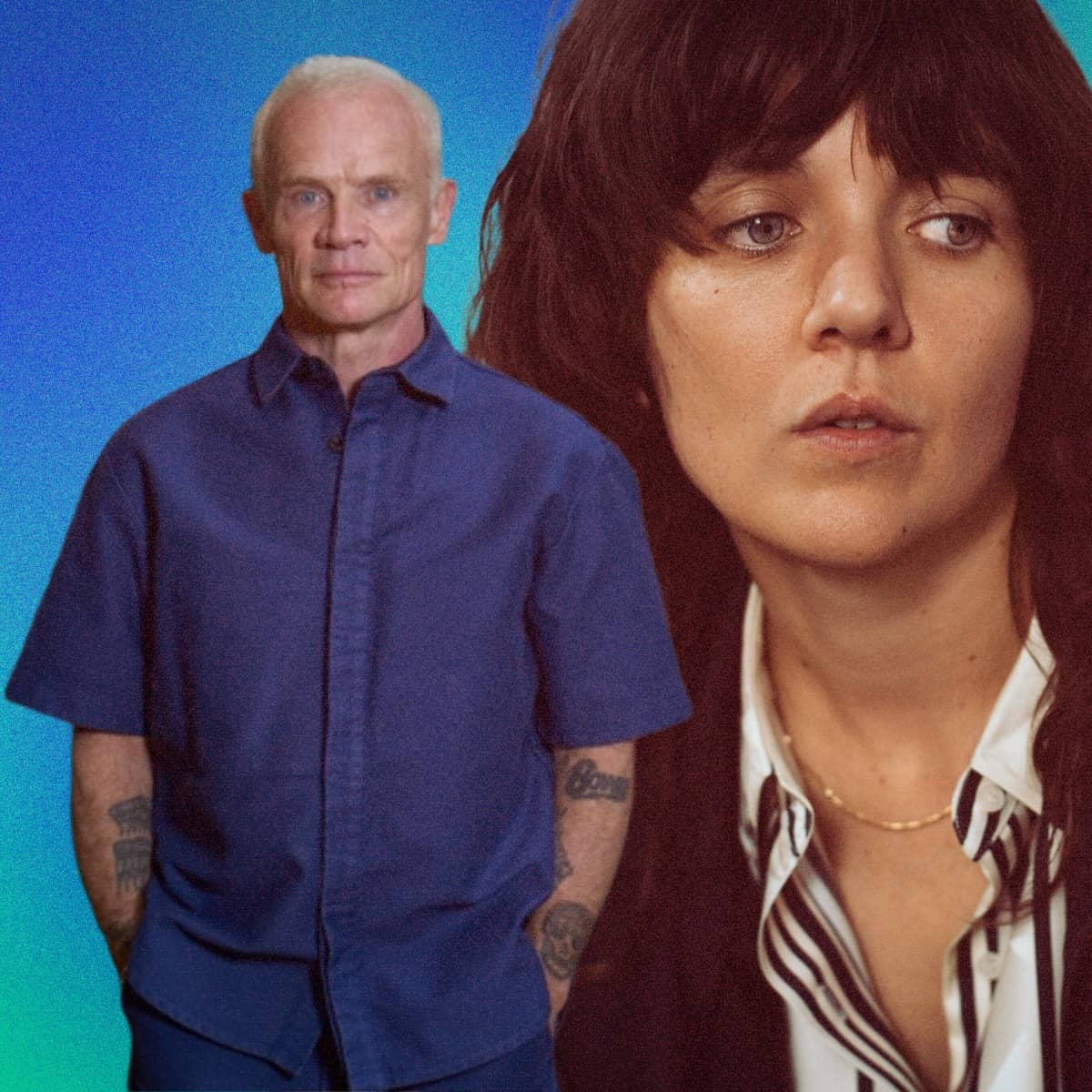
Como todas las semanas, se publican una infinidad de álbumes nuevos, de diferentes géneros y para todos los gustos, y es posible perderse algunos. Es por eso que desde Indie Hoy seleccionamos y te recomendamos 11 discos nuevos para escuchar hoy. Broke Carrey – Hijo del país Hijo del país es el segundo disco de estudio de Broke […]
Ver más noticias en Indie Hoy.
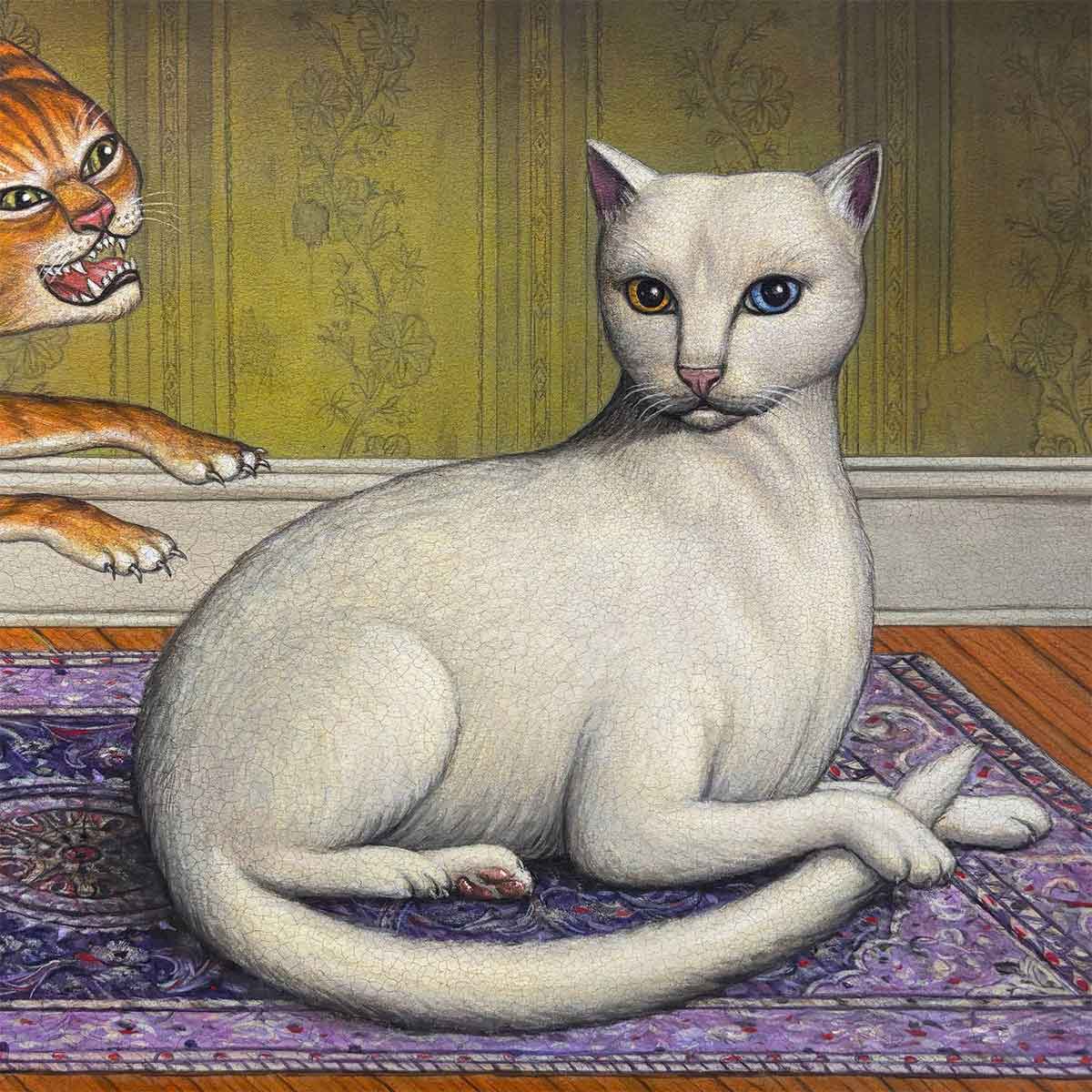
En el universo de Mitski, la ironía y las grandes ciudades son los únicos lugares posibles para quienes ya cargan con demasiadas versiones fallidas de sí mismos. El anonimato —ese placer ambiguo para soñadores y asesinos— le concede a uno la ilusión de redención. En su nuevo disco, Nothing’s About to Happen to Me, la […]
Ver más noticias en Indie Hoy.
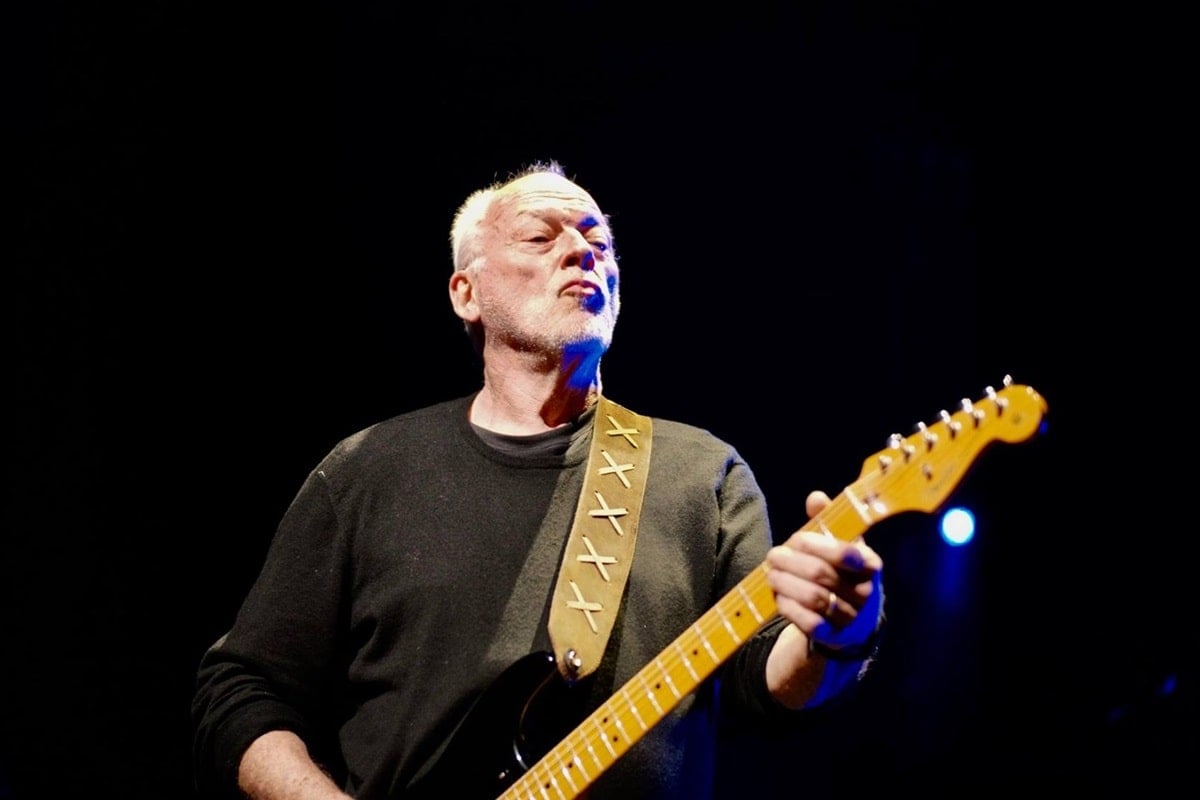
David Gilmour es uno de los guitarristas más importantes de las últimas décadas gracias al talento que desarrolló con los años. Sin embargo, en sus inicios arrancó como cualquier otra persona: imitando a otros músicos. Uno de los artistas que más lo influenció fue Jimi Hendrix, a quien vio en vivo a mediados de los […]
Ver más noticias en Indie Hoy.
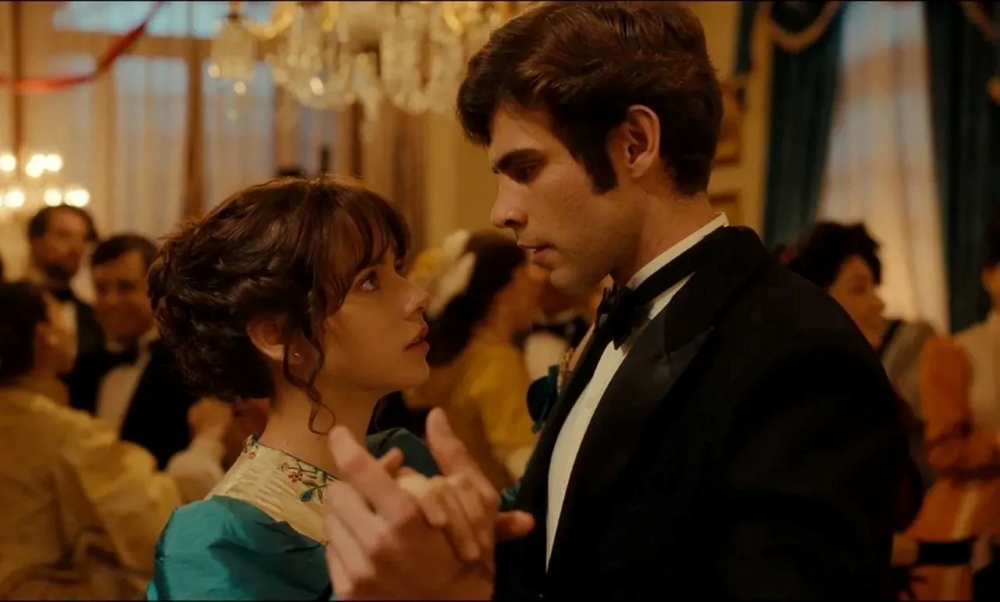
Carla Morrison vuelve a un territorio que le es natural: el amor en todas sus formas. Pero esta vez lo hace desde un lugar distinto. Su versión de “Toda una vida”, el clásico popularizado por Los Panchos, acompaña uno de los momentos clave de Como agua para chocolate, serie que traduce en imágenes el universo emocional de Laura Esquivel. Morrison reflexiona sobre la entrega amorosa, la nostalgia, el deseo y la manera en que su voz encuentra sentido dentro de una historia atravesada por la intensidad de sentir.
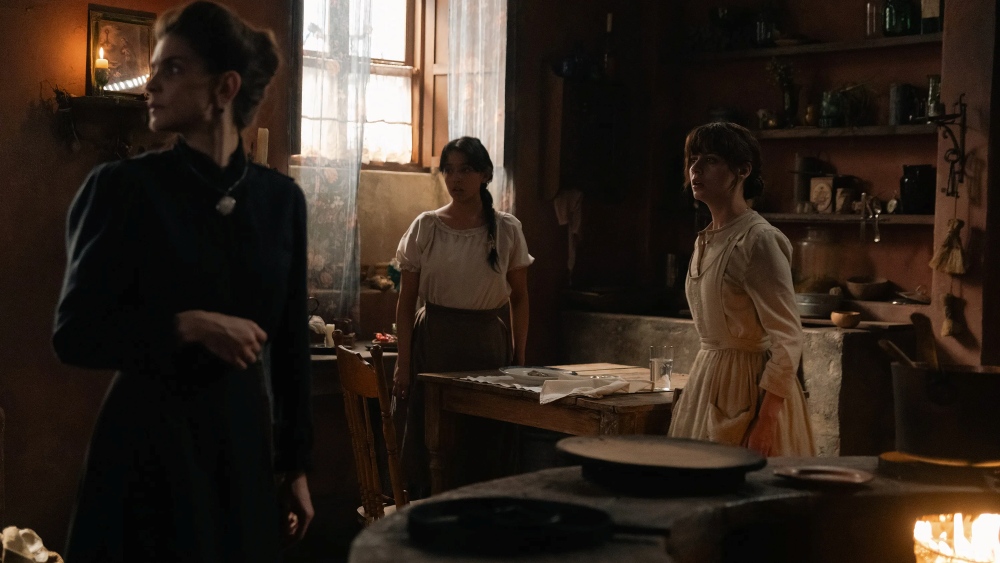
En “Toda una vida” hay una devoción amorosa absoluta: “no me importa en qué forma, ni dónde, ni cómo, pero junto a ti”. ¿Cómo interpretaste esa entrega dentro del universo de Como agua para chocolate?
Fue muy interesante porque yo ya conocía la canción. La escuchaba desde chica, en Ensenada, cuando iba a comer y había músicos tocando estos clásicos. Entonces, cuando me invitan a hacer esta versión, fue algo muy natural, muy cercano. Luego vi la serie y me encantó, y fue muy fácil conectar con Tita, con esta forma de amar tan intensa, tan entregada. Entendí perfecto por qué esta canción tenía que estar ahí. La interpreté desde ese amor antiguo, muy puro, lleno de fe, de esperanza, casi fantasioso.
La canción también habla de un amor que duele, que genera ansiedad. ¿Cómo trabajaste esa tensión desde la voz?
Mi voz siempre suena como si estuviera cantando desde la herida, como si estuviera a punto de llorar. No es algo que piense, simplemente sucede. Y en esta canción fue muy fácil conectar con eso, porque yo sí creo en ese amor devoto, en dar sin esperar nada a cambio. Soy muy romántica, muy nostálgica, y eso encajó perfecto con la historia de Tita, que vive entre la esperanza y la melancolía.
Hay mucha intimidad y vulnerabilidad en esa interpretación. ¿Cómo dialoga tu sensibilidad con el lenguaje emocional de la serie?
Creo que todas hemos tenido un amor así, el primero, el que sientes que va a ser para siempre. Yo también pasé por eso, y muchas de mis canciones nacen desde ese lugar inocente, lleno de ilusión. La poesía viene de imaginar, de soñar despierta, y eso tiene mucho que ver con el realismo mágico de la historia. Aunque esta canción no es mía, sí pude conectar con ese universo desde lo que yo soy.
En la serie, el amor muchas veces se expresa como cuidado. ¿Crees que eso puede confundirse con dependencia?
El amor es muy complejo. Puede ser cuidado, puede ser dependencia, depende desde dónde lo mires. Desde lo mental, claro que puede haber apego. Pero desde lo espiritual, creo que amar es algo que necesitamos como seres humanos. Es lo que nos da propósito. También es una decisión: uno decide a quién le da su amor. Y también tiene que ver con el amor propio. Al final, el amor no siempre se puede entender. Hay que sentirlo.
También te puede interesar:
¿Qué resonancias personales encontraste en la historia de Como agua para chocolate?
Me conectó mucho con mi parte mexicana. Con cómo crecemos, con la comida, con la forma en que expresamos el amor. En nuestra cultura, el amor está en lo cotidiano, en lo simple. Entonces hacer esta versión fue también conectar con ese origen, con algo muy ancestral en mí. Fue muy inspirador.
¿Sentías que estabas interpretando un amor de otra época o sigue siendo vigente?
Es un amor de otra época en las palabras, pero la emoción es totalmente actual. Yo le canto esta canción a mi esposo, a mis perritos. Es una forma de amar sin filtros, muy directa. El lenguaje cambia, pero el sentimiento no.
Si tuvieras que definir “Toda una vida” en una idea, ¿qué sería?
Entre angustia y esperanza. La esperanza de que ese amor se cumpla, y la angustia de que tal vez no pase. Pero aun así estás dispuesto a todo. Eso es el amor.
¿Qué viene ahora para ti?
Estoy terminando un nuevo disco. En eso estoy enfocada ahora mismo.
Y si tuvieras que resumir el corazón emocional de la canción dentro de la serie en una sola palabra…
Ilusión. Tita vive desde la ilusión: de amar, de ser libre, de tener una vida distinta. Esa canción recoge todo eso.
The post Carla Morrison “El amor no hay que entenderlo, hay que sentirlo” appeared first on Rolling Stone en Español.
Hay una idea que atraviesa la historia de la música —y del arte en general—: a veces, para avanzar, hay que desaparecer. No como gesto dramático, sino como necesidad. Alejarse del ruido, de la exposición constante, incluso de la propia obra, para volver a un lugar más esencial. Es en esos momentos de pausa donde muchos artistas encuentran el punto de quiebre que termina definiendo sus trabajos más profundos y personales. La reflexión, más que un lujo, se vuelve una herramienta creativa.
No es un fenómeno nuevo. Tras la intensidad de The White Album, The Beatles se retiraron a la India en busca de distancia y claridad espiritual, una experiencia que marcó no solo su música sino su forma de entender la creación. Más recientemente, Frank Ocean optó por desaparecer del circuito mediático durante años antes de regresar con Blonde, una de las obras más importantes del siglo que nació desde la introspección y redefinió el R&B contemporáneo. En esos casos, el retiro no fue solo una pausa, sino un proceso de depuración donde se apagó el ruido externo y las preguntas internas se hicieron más fuertes.
Bajo esa misma lógica, el recorrido reciente de Tom Misch puede leerse como parte de esa tradición. Antes de Full Circle, hubo silencio, distancia y una búsqueda personal que transformó no solo su sonido, sino su relación con la música misma. Y es precisamente en ese espacio —entre el colapso y la reconstrucción— donde empieza a tomar forma el disco más honesto de su carrera.
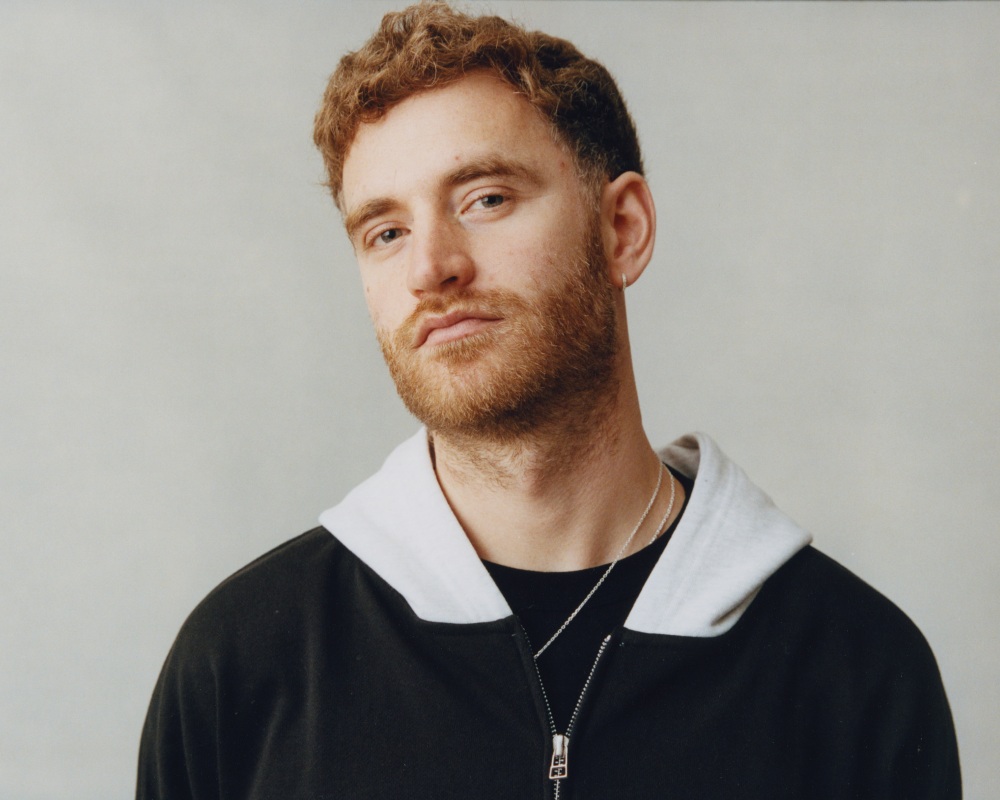
Antes de ese punto de quiebre, Tom ya se había consolidado como una de las figuras más versátiles de la escena británica contemporánea. Cantautor, productor y multiinstrumentista, su propuesta se caracteriza por una fusión natural entre el jazz, el hip hop, el soul y el funk, construida desde una lógica DIY (hazlo tú mismo) que lo acompañó desde sus inicios. “Creo que mis primeros recuerdos son tocando guitarra en la sala de la casa de mis papás y usando un loop pedal. Recuerdo pensar ‘soy muy bueno en esto’, pero nunca pensé que podría tener una carrera o hacerlo como trabajo. Es curioso”, explica.
Esa versatilidad en su propuesta no puede entenderse sin conocer la música con la que creció. “John Mayer ha sido una influencia enorme para mí, en mi historia, en mi pasado” cuenta el cantante. “Luego Robert Glasper—lo descubrí cuando tenía como 17, 18—y ahí fue cuando me metí en el hip hop, en J Dilla, Soulquarians, D’Angelo, Erykah Badu, Questlove, y siendo honesto, podría seguir y seguir. Descubrí todo un universo”.
Luego empezó a introducirse en el funk, el soul, el disco, y todo eso lo llevó a la electrónica. “Me está gustando mucho el house clásico, ¿sabes? Kerri Chandler, Ron Trent, todo ese tipo de cosas. Básicamente, me gusta mucha música diferente y eso ha ido cambiando con el tiempo”, concluye.
De esa manera, formado en guitarra y con una sensibilidad marcada por el groove y la improvisación, Misch empezó a desarrollar su sonido desde casa, subiendo beats y demos a plataformas. “Luego, cuando tenía como 16 o 17, empecé a hacer música y a subirla a SoundCloud, a hacer beats, y ese fue otro momento de decir ‘wow, a la gente le gusta lo que estoy haciendo’”, recuerda, comenzando a crear desde sus primero años una comunidad propia lejos de los circuitos tradicionales.
Con el tiempo, esa exploración casera se transformó en un proyecto artístico sólido. Su debut, Geography (2018), no solo lo posicionó en las listas británicas, sino que confirmó su capacidad para traducir influencias diversas en un lenguaje accesible y personal. A esto se sumó su colaboración con Yussef Dayes en What Kinda Music (2020), un álbum que amplió su rango sonoro hacia territorios más experimentales. Así, entre colaboraciones, giras internacionales y una creciente base de seguidores, el londinense se convirtió en un artista capaz de moverse con soltura entre lo mainstream y lo indie, siempre bajo una identidad creativa clara.
Su ascenso fue tan orgánico como constante. Desde sus primeras producciones caseras en SoundCloud hasta el éxito en su primer LP y su colaboración con Dayes, el británico construyó una carrera marcada por la independencia y una identidad sonora reconocible, acumulando en el proceso millones de oyentes y reproducciones en todas plataformas digitales. Sin embargo, para 2022, ese crecimiento comenzó a pasar factura.
“Tuve un año de giras muy intenso y no me sentía bien, ya no lo estaba disfrutando. Mi salud mental estaba empeorando y tenía tanta ansiedad que tuve que cancelar la gira en Australia”, recordó. Lo que desde fuera parecía la consolidación definitiva, por dentro empezaba a desmoronarse. Sin un plan claro y enfrentado a un desgaste acumulado, Misch tomó una decisión radical: detenerse por completo.
El músico regresó a la casa de su familia en el sur de Londres, se alejó de las redes sociales y, quizás lo más significativo, dejó de hacer música. Fue un retiro total, un corte abrupto con la dinámica que había definido su vida durante años. En ese silencio comenzó a gestarse algo distinto, no un nuevo proyecto inmediato, sino la necesidad de reconstruirse fuera del escenario público.
Ese proceso lo llevó lejos de lo habitual. Durante meses, Misch se instaló en Cornwall para formarse como instructor de surf, en una rutina marcada por el contacto con el mar y una vida mucho más simple. “Estar en el agua todos los días realmente me devolvió a mi cuerpo”, explicó. A eso se sumaron trabajos ocasionales, tiempo con su familia y una desconexión consciente de la industria. En el fondo, lo que atravesaba era una crisis de identidad: “sentía que ya no sabía quién era”.
Esa sensación se convirtió en el punto de partida de lo que vendría después. Lejos de buscar un regreso inmediato, Tom empezó a preguntarse por su lugar más allá de la música, naciendo así Full Circle, que en sus palabras, surgió de “querer descubrir quién era Tom Misch fuera de la música”. “Fue una búsqueda de esencia. Realmente este disco se dio en un proceso muy introspectivo, mirar hacia adentro y observar quién soy y en qué punto estoy”, explica. “También hubo un proceso de sanación durante este disco, ya sabes, estaba pasando por un momento difícil, de agotamiento, ansiedad, todo eso, entonces fue volver a mí mismo”.
Esa sensación íntima se sintió desde el primer adelanto del álbum, ‘Old Man’. En este tema Tom afronta uno de los temores más grandes de las personas desde que adquieren conciencia: la vejez, lo que se demuestra en versos como “Look in the mirror it’s hazy / Who is that figure before me / He looks a bit like my old man” (Miro al espejo y todo está borroso / ¿Quién es esa figura frente a mí? / Se parece un poco a mi viejo). Sin embargo, no se aborda la temática desde la tragedia, sino desde la aceptación: “And maybe / I’ll play this song when I’m 80 / I’ll have a son and a family / He looks a bit like his old man / My old man” (Y tal vez / Toque esta canción cuando tenga 80 / Tendré un hijo y una familia / Él se parecerá un poco a su viejo / Mi viejo), funcionando como un ejercicio de introspección donde el autor se observa a sí mismo y reconoce la inevitabilidad del paso del tiempo, abrazando la transformación con una mezcla de nostalgia y serenidad, en lugar de miedo.
Por otro lado, este proyecto es particular porque, más allá de su carácter introspectivo, se percibe como una especie de “Frankenstein” sonoro. Los sonidos no se sienten estáticos ni provenientes de un mismo lugar o inspiración. Esto se debe, en buena medida, a que el álbum fue grabado en cuatro lugares diferentes: Londres, Cornwall, Portugal y Nashville. Cada espacio aportó algo distinto a la atmósfera del trabajo, haciendo que el disco respire y evolucione de manera orgánica.
Misch explica cómo la geografía influyó directamente en la música: “durante mi estancia en Cornwall, mientras estaba aprendiendo a enseñar, sentí que había mucho espacio, mucha amplitud. Yo vengo de Londres y allí hay edificios por todas partes, concreto, y de repente estaba junto al mar y tenía todo este espacio”, comenta. “Creo que eso, de alguna manera, se metió en el disco. No es un álbum ‘cargado’, es muy expansivo, y al final siento que todo eso influye”. Además, la experiencia en Nashville aportó un matiz country gracias a su trabajo con Ian Fitchuk, mientras que su viaje en solitario a Lisboa inspiró la canción ‘Slow Tonight’, reflejo de un momento más relajado y contemplativo, lo que se demuestra en su letra relajada y romántica junto a una melodía pegajosa y que acompaña perfectamente ese espíritu viajero.
El corazón de Full Circle se centra en la intimidad y la conexión personal, y ningún tema lo ejemplifica mejor que ‘Goldie’, el foco del disco. En esta canción, Tom celebra a alguien que funciona como su guía y ancla emocional, capaz de sacarlo de la confusión y enseñarle a reconstruirse: “You lit me up, and you pulled me out / Out of some hell / I was lost, and you showed me how / How to make something out of nothing / How to live like I should when I’m sick of running” (Me iluminaste y me sacaste / De algún infierno / Estaba perdido y me mostraste cómo / Cómo hacer algo de la nada / Cómo vivir como debería cuando estoy cansado de huir). La letra refleja gratitud y transformación personal, donde la presencia de Goldie no sólo ofrece consuelo, sino que también inspira crecimiento y claridad en medio de la incertidumbre.
Además, la canción explora la admiración y la intimidad profunda con alguien que conoce al narrador mejor que él mismo: “Goldie, I’ll remember till the end of time / You know me better than I know myself / Goldie” (Goldie, lo recordaré hasta el final del tiempo / Me conoces mejor de lo que yo me conozco a mí mismo / Goldie). La repetición de su nombre enfatiza la cercanía y reverencia hacia esa persona, mientras que frases como “Goldie, when you smile, is like a world is mine” (Goldie, cuando sonríes, es como si el mundo fuera mío) muestran cómo su influencia transforma la percepción de Misch sobre la vida. Así, El focus track del álbum se convierte en un himno de confianza, reconocimiento y amor, encapsulando la vulnerabilidad y sinceridad que atraviesan todo este viaje.
El álbum cierra con ‘Days of Us’, una colaboración con Kaidi Akinnibi que, según Misch, no surgió de una estrategia comercial, sino del cariño y la historia compartida. “No fue algo intencional. Kaidi no es un artista súper conocido, y aunque podría haber intentado conseguir un featuring grande, este se sintió más humilde, simplemente tener a un amigo colaborando” comenta. “Es un disco personal y Kaidi es alguien con quien crecí, y amo la canción”.
La letra refuerza esa sensación íntima y cercana, explorando la necesidad de tiempo y espacio para crecer juntos, a pesar de los conflictos o los cambios, lo que se ve en versos como “‘Cause we need our time to grow / No matter where we go / You’ll always feel like home” (Porque necesitamos nuestro tiempo para crecer / No importa a dónde vayamos / Siempre te sentirás como en casa). Partes como “You say / It’s not the same / Things have changed / You know it’s so hard for me to hear” (Tú dices / No es lo mismo / Las cosas han cambiado / Sabes que me cuesta escucharlo) muestran vulnerabilidad y honestidad emocional, un cierre perfecto para un disco construido sobre la introspección, la aceptación y la conexión humana. Al colocar este tema al final, Misch deja al oyente con la sensación de reconciliación y calidez, subrayando que, pese a los retos y la distancia, las relaciones y los vínculos afectivos permanecen como un hogar constante.
Después de completar este “círculo”, Tom parece más enfocado en vivir que en planear una hoja de ruta creativa estricta. Cuando se le pregunta hacia dónde se ve yendo artísticamente, su respuesta refleja esa misma búsqueda de sencillez y presencia. “La verdad es que no lo sé. Voy a sacar este álbum, voy a tocar dos shows, bueno, cuatro shows, que no es mucho, pero ya sabes. Voy a hacer muchos ensayos y todo eso, y luego simplemente me voy a mudar de casa y voy a enfocarme en la vida, a ver qué pasa. Para mí es más como volver a una rutina donde solo quiero ver a mis amigos, hacer ejercicio y ver qué pasa”.
En cuanto al efecto que espera generar con este proyecto, Misch lo describe con honestidad y emoción: “Espero que los mueva, y espero que les haga sentir algo. He tenido a muchas personas diciéndome que han llorado escuchando algunas canciones, lo cual es genial, me encanta. Me encantaría que la gente realmente atesore las canciones y que de alguna forma les sirvan como compañía mientras atraviesan cosas, que les ayuden a procesar lo que están viviendo. Creo que eso sería algo muy bonito”.
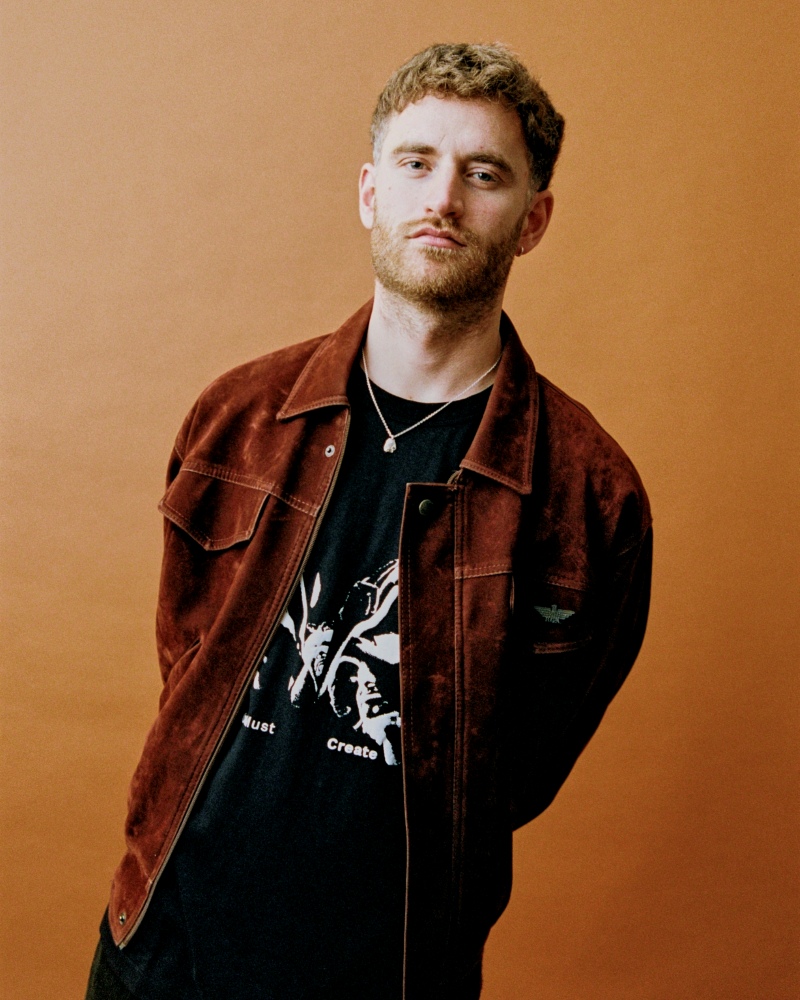
Así, Full Circle no es solo un álbum, sino el registro de un viaje personal y creativo que va más allá de la música. Un espacio de reflexión, reconexión y sanación, donde el tiempo, la distancia y la intimidad se convierten en aliados para un artista que, tras el ruido y la saturación, aprendió a escucharse a sí mismo y a su entorno. Es un disco que invita a quienes lo escuchan a acompañar a Misch en ese proceso de descubrimiento, a sentir, procesar y, finalmente, encontrar su propio lugar de calma en medio del caos.
The post <i>Full Circle</i>: el viaje introspectivo de Tom Misch appeared first on Rolling Stone en Español.
El karma suele entenderse como la energía que regresa a nosotros a partir de nuestras acciones. Si hacemos el bien, vuelve en forma de algo positivo; si no, también encuentra la manera de regresar. No siempre es inmediato ni evidente, pero hay una idea que persiste: todo lo que hacemos deja una huella.
Se crea o no en el karma, en las energías o en cualquier fuerza invisible, hay una verdad difícil de esquivar: nuestras decisiones nos definen. Somos el resultado de ellas, de los caminos que elegimos y de lo que construimos a partir de esos actos.
Kenia Os lo tiene claro. A lo largo de su carrera ha convertido cada paso en parte de una narrativa más grande, una que la ha llevado de visualizar un sueño a materializarlo frente a millones de personas. Hoy, en uno de los momentos más importantes de su trayectoria, la artista presenta su cuarto álbum de estudio, K de Karma, un proyecto que no solo toma su nombre de este concepto, sino que lo transforma en el eje de una nueva era.
Tras un año enfocada en el estudio y en la construcción de este universo —tanto sonoro como visual—, Os regresa en medio de una etapa que la encuentra entre la emoción y la exigencia personal. Con un tour en puerta, una comunidad de fans que no deja de crecer y proyectos que expanden su identidad más allá de la música —como su línea de fragancias—, la artista navega un momento de expansión que también exige una nueva forma de mostrarse.
“Esta etapa está siendo muy linda para mí”, dice. “El regresar otra vez a estar con todos mis fans es lo que más me emociona de toda la era, más que cualquier otra cosa. Me siento muy tranquila, muy estresada al mismo tiempo porque hay muchas cosas, pero feliz”.
Ese contraste —entre control y caos, entre seguridad y vulnerabilidad— atraviesa también el corazón de esta nueva era. Incluso cuando habla de su incursión en el mundo de las fragancias, la conversación se mantiene en un terreno sensorial que conecta directamente con su música. Si este nuevo capítulo tuviera un aroma, lo describe con precisión: “Yo creo que olería a cerezas, a cherry, a vainilla… un poco de almizcle o pachuli, ambroxan y rosas. Muy sexy”.
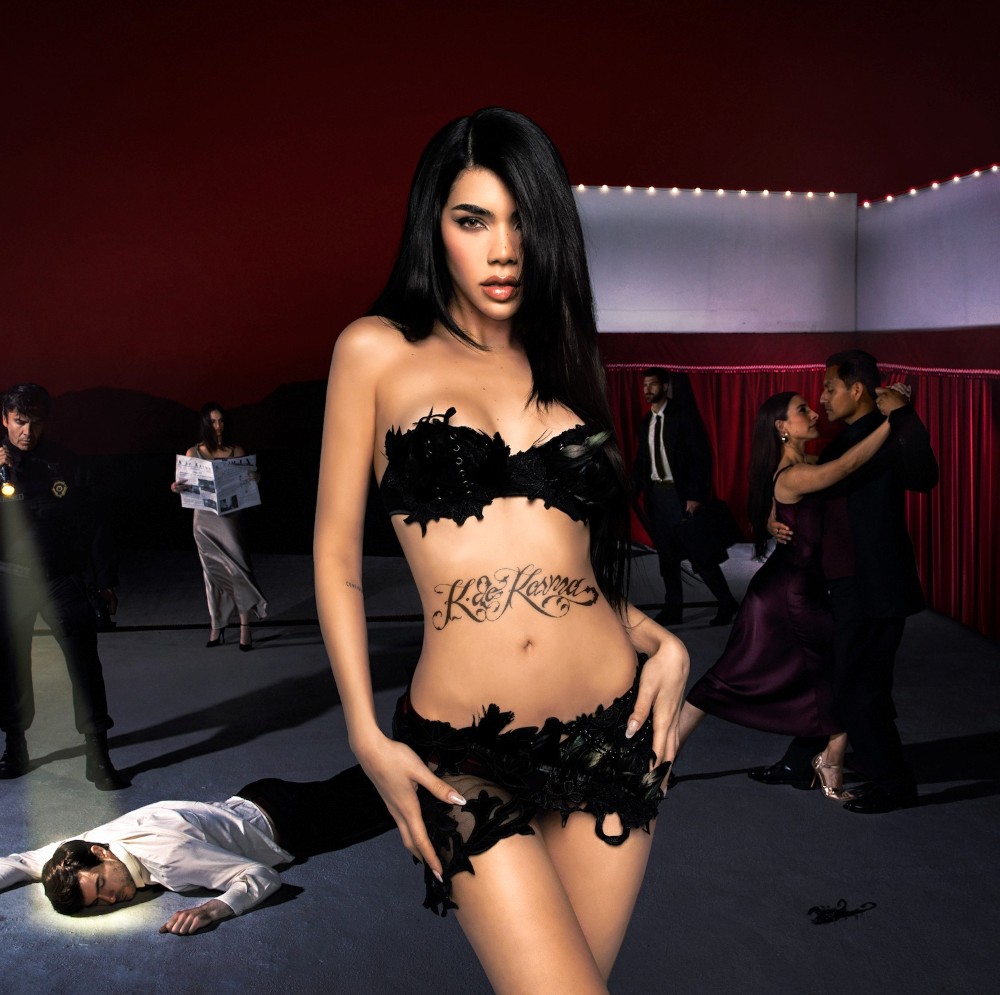
Este detalle es parte de una construcción sensorial de un proceso creativo más amplio. Cada etapa en la carrera de Kenia Os responde a un universo propio, con reglas, estética y emociones particulares. En esta ocasión, el punto de partida es el karma, entendido no como castigo, sino como equilibrio.
“Para mí es justicia”, explica. “Es el ciclo de las cosas, de la vida. Siempre he sentido que el karma me ha devuelto muchas cosas… lo veo como una justicia divina”.
Esa idea se traduce en una narrativa donde también aparece una figura que históricamente ha sido malinterpretada: la femme fatale. En manos de Os, este arquetipo se aleja de su construcción tradicional para convertirse en una representación de autonomía.
“Creo que ese estereotipo está cambiando. Ya no es estar contra todos, sino estar en tu lugar, para ti”, dice. “Es un poder interno muy cabrón, un empoderamiento muy chido. Es una energía totalmente diferente que te lleva a sentirte fuerte y poderosa”.
Sin embargo, esa fuerza no elimina la fragilidad. Al contrario, ambas conviven en un mismo espacio. En una industria donde el pop suele exigir perfección constante, la artista apuesta por mostrarse desde un lugar que puede llegar a ser incomodo para algunos.
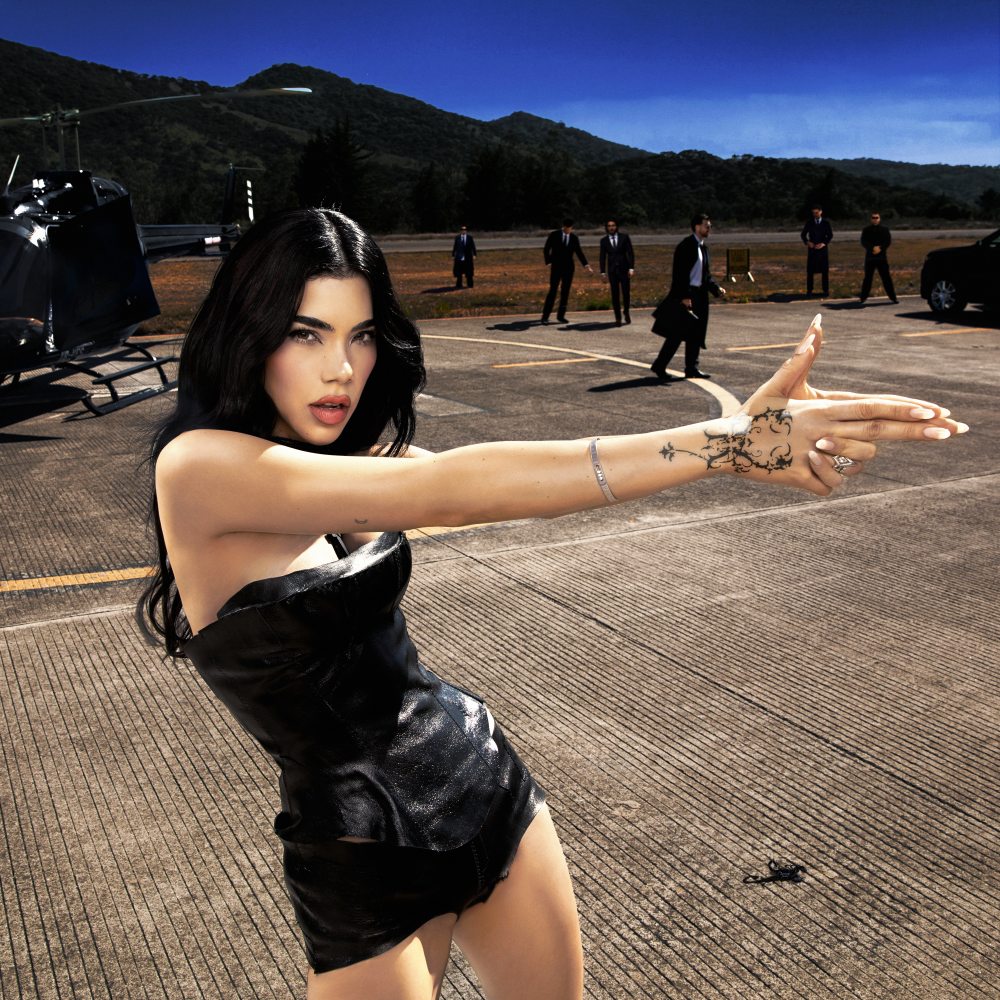
“No tengo miedo de mostrarme vulnerable, no tengo miedo de fracasar. Soy humana, cometo errores y no soy perfecta”, afirma. “Lo más importante para mí es quién soy en este momento y con qué versión de mí me siento satisfecha”.
Esa claridad también se refleja en la manera en la que construye cada uno de sus proyectos. El proceso comienza desde lo visual, pero rápidamente se expande hacia lo sonoro, en un diálogo constante entre ambas dimensiones.
“Empiezo a armar paletas de colores, la energía que quiero transmitir. Después llego con directores creativos y compositores, y se empieza a construir no solo lo visual, sino también lo auditivo”, explica. “Quiero que no se le parezca a nada, que sea mi propio universo”.
En medio de esta construcción, hay una conciencia clara de lo que se muestra y lo que se guarda. Cuando imagina su carrera como una historia de ficción, la respuesta es inmediata: “Estoy en un capítulo de mucho drama”.
La frase encierra una realidad más compleja. “Hay mucho drama alrededor… pero también muchas cosas personales que vivo todos los días y que no decido compartir”, admite.
Al final, todo regresa al mismo punto de partida. A esa idea de ciclos, de consecuencias, de equilibrio. Cuando se le pide definir esta nueva etapa en una sola palabra, no hay duda.
“Karma”.
Una palabra que, en su caso, no habla de castigo, sino de una especie de justicia íntima. De entender el camino recorrido y aceptar lo que viene. De una artista que, en medio del ruido, parece cada vez más segura de su lugar en la historia que está escribiendo.
The post “El karma es justicia divina”: Kenia Os entra en su era más poderosa appeared first on Rolling Stone en Español.
Keeping track of all the upcoming releases from favorite artists can sometimes be a bit of a challenge. It’s not unusual for musicians to tease an album, then reveal a release date, only for the LP to be delayed for one reason or another (in some cases, multiple times), often without a new release date attached. Then there are albums that are announced mere days before they drop!

But we’ve got you! Though 2026 has not yet launched, musicians from across genres have already been teasing new projects and announcing album release dates for the new year. And like the last several trips around the sun, we’re keeping a calendar to keep track of all the notable releases of the year.
One of the most highly anticipated upcoming releases is Hilary Duff’s Luck…or Something — her first album in 10 years — which is expected in February. The singer-actress first announced her return to music in September, when she revealed a new label deal with Atlantic Records, as well as new music and a docuseries that will follow her musical comeback.
BTS also gave its ARMY news to celebrate just days after the new year kicked off. On Jan. 4, the K-pop supergroup revealed that its highly anticipated next album — which comes after the members took a yearslong break as a group to complete mandatory duties for the South Korean military and focus on solo ventures — would be arriving in March.
Not to be outdone, fellow K-pop supergroup BLACKPINK also announced its own new music in early January, revealing that its third mini album, DEADLINE, would arrive in February.
Harry Styles then followed up BLACKPINK’s announcement the next day with his own album reveal. The pop superstar’s fourth studio set will arrive in March, he shared.
On the rock front, Megadeth broke fans’ hearts when Dave Mustaine announced — as alter ego Vic Rattlehead, of course — that the band’s final album was on its way, along with a global farewell tour. The album, which arrives in January, will also feature a bonus track with Metallica.
That’s just two of the big releases coming our way in 2026. Fans can also expect new projects from Nicki Minaj, ENHYPEN, Nick Jonas and many more! To help you stay on top of it all, we’ve organized this calendar chronologically by month and week, and have also included a section for albums that have been announced, but do not yet have a release date.
Keep checking back for the latest 2026 album release dates!