




El misterio empieza a tomar forma: Primavera Sound Buenos Aires confirmó cuándo dará a conocer su esperada grilla 2026. Lo hizo, fiel a su ADN, con un guiño en redes sociales.
“Anunciar el anuncio del lineup es muy Primavera. Guarda la fecha. Anuncio line up: 11/05”. Con esa leyenda, el festival encendió la expectativa. Así, el próximo lunes 11 de mayo se conocerán los nombres que encabezarán la nueva edición, que ya tiene fechas confirmadas: 28 y 29 de noviembre.
Aunque su historia local es reciente, Primavera Sound Buenos Aires ya dejó dos ediciones. La primera, en 2022, fue ambiciosa y expansiva: no solo incluyó el fin de semana principal, sino también shows en distintos puntos de la ciudad. Entre sus headliners estuvieron nombres como Arctic Monkeys, Björk, Lorde, Travis Scott, Jack White y Pixies.
Un año más tarde, en 2023, el evento regresó en formato más concentrado, con The Cure, Blur, Beck y Pet Shop Boys como artistas principales.
Aún sin nombres oficiales, las especulaciones ya empezaron a circular, alimentadas tanto por giras internacionales como por patrones históricos del propio festival. En redes sociales se habla de The Cure, The Strokes, Gorillaz, My Bloody Valentine, Massive Attack, The xx, Lorde, Lana del Rey y más. La verdad llegará el próximo lunes.
The post Primavera Sound Buenos Aires 2026 reveló la fecha de anuncio de su line up appeared first on Rolling Stone en Español.
Parece loco pensar que hayamos alcanzado un punto de la historia en que el talento y el amor genuino por el arte hayan pasado de ser constantes a variables dentro del oficio de hacer música. Por eso encontrar artistas que desde jóvenes antepongan la autenticidad sobre la búsqueda de los grandes números —en reproducciones y en dinero— se ha convertido en una rareza y, como tal, hay que destacarla siempre que sea posible. Joaquina tiene 21 años, seis de los cuales ha dedicado a publicar canciones en forma, pero hablar con ella se siente como tener al frente a una cantautora avezada a la que la experiencia le ha reafirmado ya varias veces que el dedicarse a ser artista no solamente trata de saber del music business; también hay que ponerle corazón. “Claro que la música es un negocio, pero también es una expresión del alma”, dice. Para ella, estamos en un momento en el que la industria ha puesto más peso en el lado de la balanza que contiene al negocio, olvidando el lado que contiene lo humano.
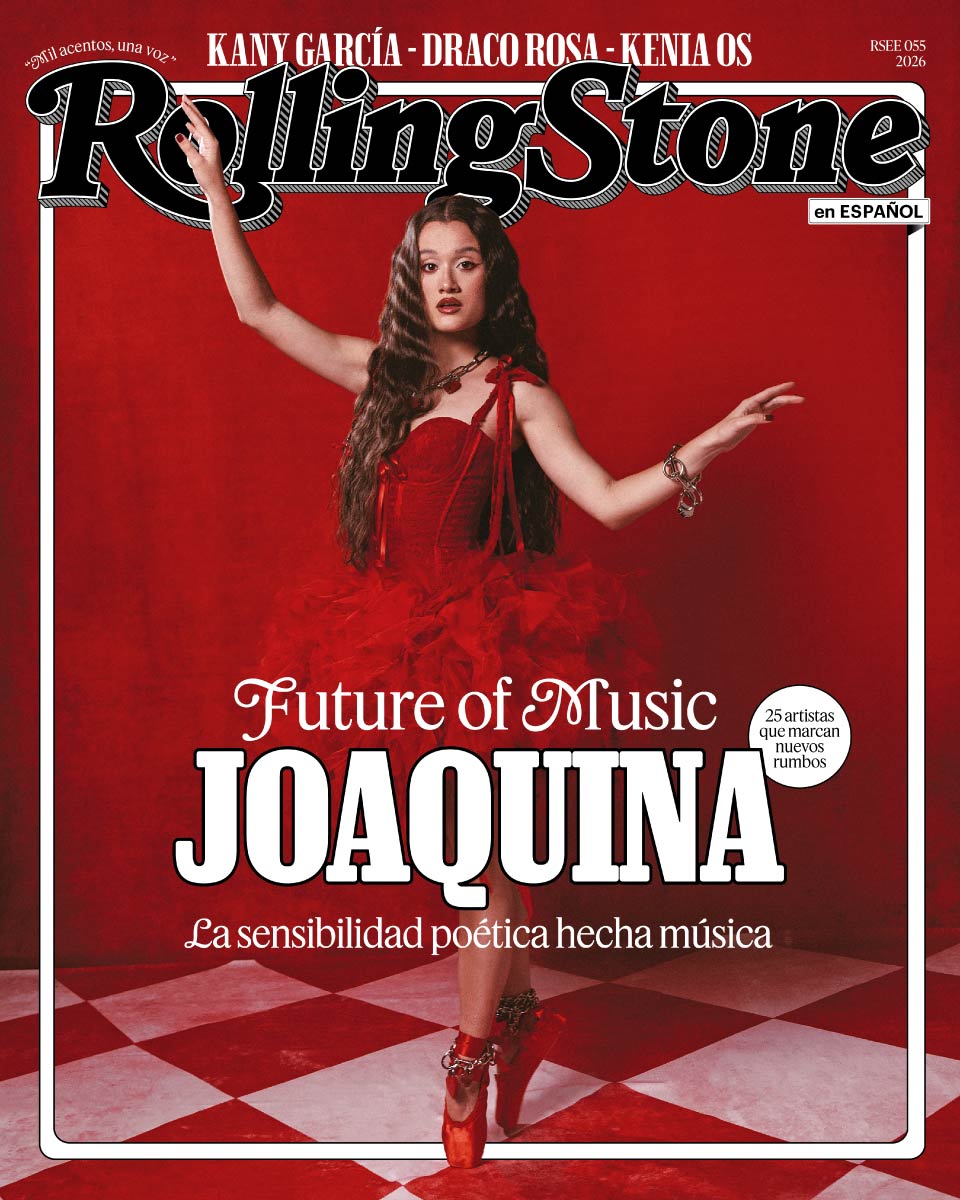
Su sensibilidad por las artes no es reciente. Joaquina proviene de un hogar que siempre le proveyó de recursos que le permitieron adentrarse en el mundo de la literatura, del cine, del teatro y, por supuesto, de la música, gracias a sus padres periodistas. Cuando explica que su pasatiempo predilecto desde que era una infante es la lectura, es inevitable imaginarla como Matilda: “Recuerdo la ida y la vuelta del colegio, siempre leyendo un libro, mi plan favorito era ir a la biblioteca. […] Recuerdo que, a veces, en el parque me ponía a leer bajo los árboles; me obsesionaba mucho. Tenía estos libros infantiles y en mi colegio había una biblioteca donde podías alquilar un libro, entonces, como a los ocho años, alquilaba toda una colección y me pasaba todo el rato en el parque, en el carro, leyendo”. Este interés, que bajo su percepción era poco usual para alguien de su edad, derivó en su gusto por escribir ensayos, poemas y canciones.
Ella es lo que se conoce en inglés como bookworm, por lo que se emociona al hablar sobre los autores y los libros que la han formado. Su cuerpo hace un ademán de entusiasmo y su rostro gesticula una sonrisa antes de hablar sobre esa pasión que ha tenido desde chica. Es entonces cuando comienza a hacer un breve repaso de los primeros autores que recuerda haber leído: Maya Angelou y Langston Hughes, entre otros poetas estadounidenses. A pesar de no entender muy bien de lo que hablaban en sus escritos, sí entendía “el peso de las palabras y su profundidad”, pero, además, estas lecturas le sirvieron para aprender de historia y sociología sin saber aún qué significaba cada una. A medida que fue creciendo, añadió a Isabel Allende, a Mario Benedetti y a Mario Vargas Llosa a sus intereses, debido a su narrativa y su forma de escribir. La lista se fue ampliando con Emily Dickinson, E. E. Cummings, Eduardo Galeano, Jorge Luis Borges e incluso Pablo Neruda, pero hace la aclaración de que después de conocer su historia de abuso sexual dejó de nombrarlo como parte de sus favoritos. Mientras responde, va haciendo un paneo por su biblioteca y, pese a que los que acaba de mencionar son los que más tiene presentes, afirma que cada día descubre más.
“Claro que la música es un negocio, pero también es una expresión del alma”.
La música llegó paralelamente a la lectura. A los tres años despertó una curiosidad intensa por aprender a tocar violín, así que su madre la inscribió en clases. Esta ansia por aprender cada vez más se extendió a la guitarra y al piano, hasta que se quedó con la voz. “Mi casa siempre ha sido muy artística”, cuenta. “Creo que desde chica absorbí eso, inevitablemente”. Joaquina era de las niñas que bailaba y cantaba frente a su familia, en parte, inspirada por las artistas que veía en televisión como Avril Lavigne y Gwen Stefani. Ver a unas chicas “rockeando”, siendo irreverentes y en posiciones de liderazgo, le quedó marcado en la memoria e intentó replicarlo en esos primeros acercamientos inocentes a una performance. La representación importa.
“Siempre sentí una conexión innata con la expresión a través de la música, y cuando descubrí que me encantaba leer y me encantaba escribir, conecté ambas cosas”, apunta, añadiendo que a partir de allí se atrevió a escribir canciones en su habitación. En varias ocasiones ha narrado la anécdota sobre la primera canción que escribió: tenía ocho años y la anotó en su diario, pero sintió tanta vergüenza de que sus padres la leyeran que arrancó la página y la desechó, aunque advierte que se arrepiente de haberlo hecho. “Esa fue la primera vez que conecté y dije, ‘Wow, esto me gusta’. Desde muy chiquita algo en mí siempre lo supo”, afirma.
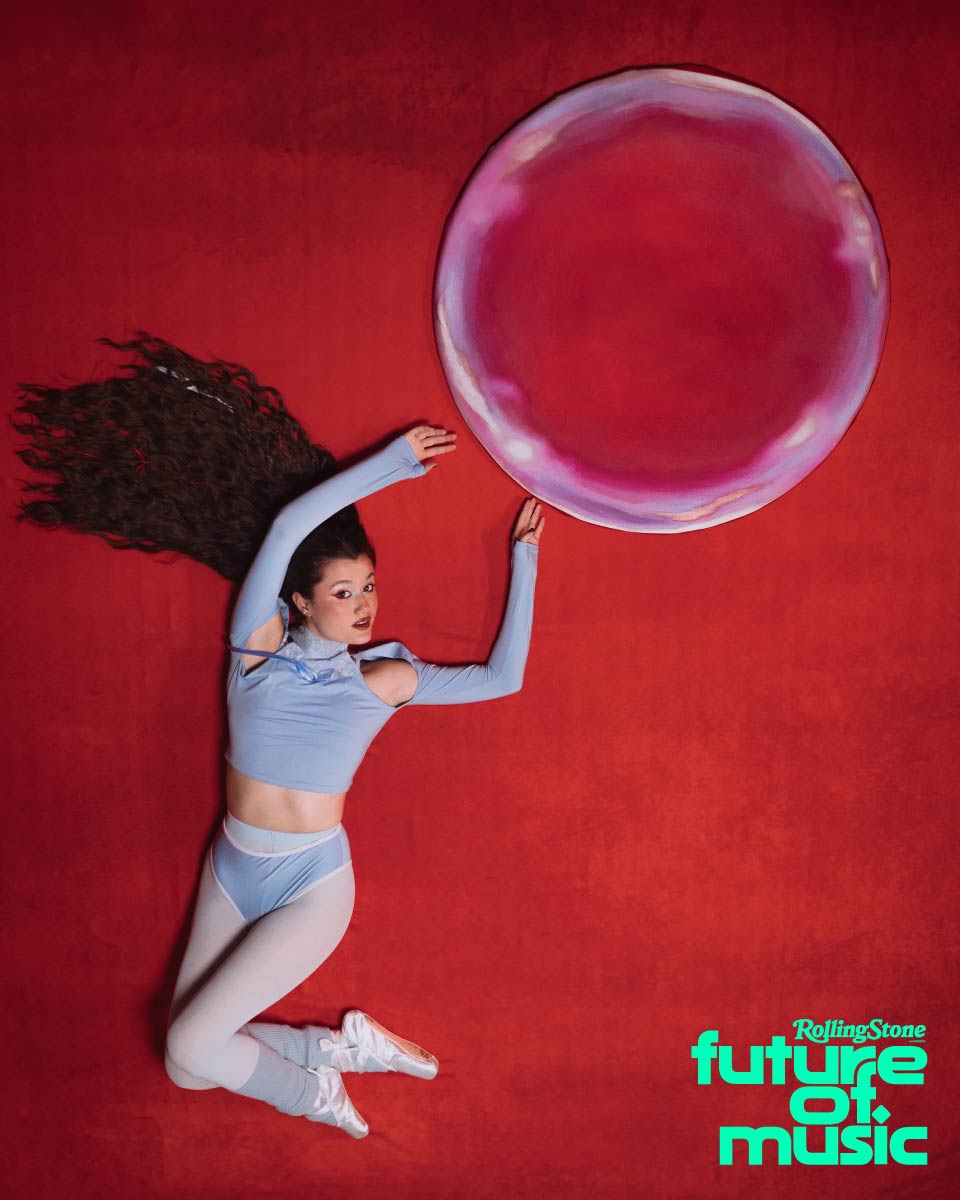
Joaquina alcanzó a vivir el auge de las redes sociales a mediados de los 2010, así que empezó a subir covers en su cuenta de Instagram. Hubo un par de momentos en los que dejó de hacerlo por las burlas que recibía en el colegio por parte de compañeros que les pedían a los maestros que pusieran sus videos o hacían mofa de ella en la cafetería. Al mirar esos episodios en retrospectiva, considera que no era algo tan serio, pero comprende que en la mente de una niña de 13 años cualquier burla puede hacer mella. De todos modos, ya había tomado la decisión de hacer carrera como artista. “No sé si piensas que estoy loca, pero quisiera intentar sacar mis propias canciones”, recuerda haberle dicho a su madre un día mientras lavaba los platos. “Es demasiado difícil, pero tú siempre has tenido esta pasión, y nosotros siempre te vamos a apoyar”, le contestó.
Es usual que en entornos latinos, cuando alguien opta por dedicarse a las artes y/o humanidades, se cuestione su decisión al no considerarlas carreras que den mucho dinero o que garanticen un futuro. Joaquina creció en Miami, una ciudad con gran influencia latinoamericana, razón por la que siempre sintió el estigma del músico: “La hija de no sé quién va a intentar seguir la música, no va a ir a la universidad, no se va a buscar un trabajo de verdad”. El único apoyo que sintió provino de su profesor de música y de sus padres, quienes notaron su chispa desde pequeña y la impulsaron a seguir intentándolo.
“Tienen que pasar muchos años de mucho trabajo y de levantar la mano muchas veces para que por fin te veas entre la multitud”.
Sus dudas terminaron de disiparse cuando se dio cuenta de que estaba en un grupo de amigos que no le hacía bien. Estaban en ondas diferentes y no compartían los mismos intereses, y esto la estaba llevando a perderse a sí misma. Quería vestirse, maquillarse y teñirse el pelo como otras chicas y, si bien la adolescencia es un periodo de búsqueda del estilo personal, su entorno más cercano notó que no estaba siendo ella. “Me sentí muy cohibida. Me daba pena ser yo misma porque todo tenía que caber dentro de un statu quo”, medita. Su primer corazón roto —que inspiró su primera canción oficial— y la pandemia fueron el parteaguas que le permitió desligarse de esas amistades y retomar la exploración de sus verdaderos intereses.
Comenzó a vestirse y maquillarse de la forma en que quería, pero además empezó a escribir como siempre lo había querido hacer sin sentir presiones externas. Por fin sentía que podía ser ella misma sin ojos que juzgaran cada uno de sus movimientos y decisiones. Se aisló del mundo que conocía, pero en el camino fue descubriendo uno nuevo en donde había personas que sí la entendían. “La pandemia me ayudó muchísimo a encontrarme y ver mi vida a través de mis ojos, y no a través de los de alguien más”, señala.
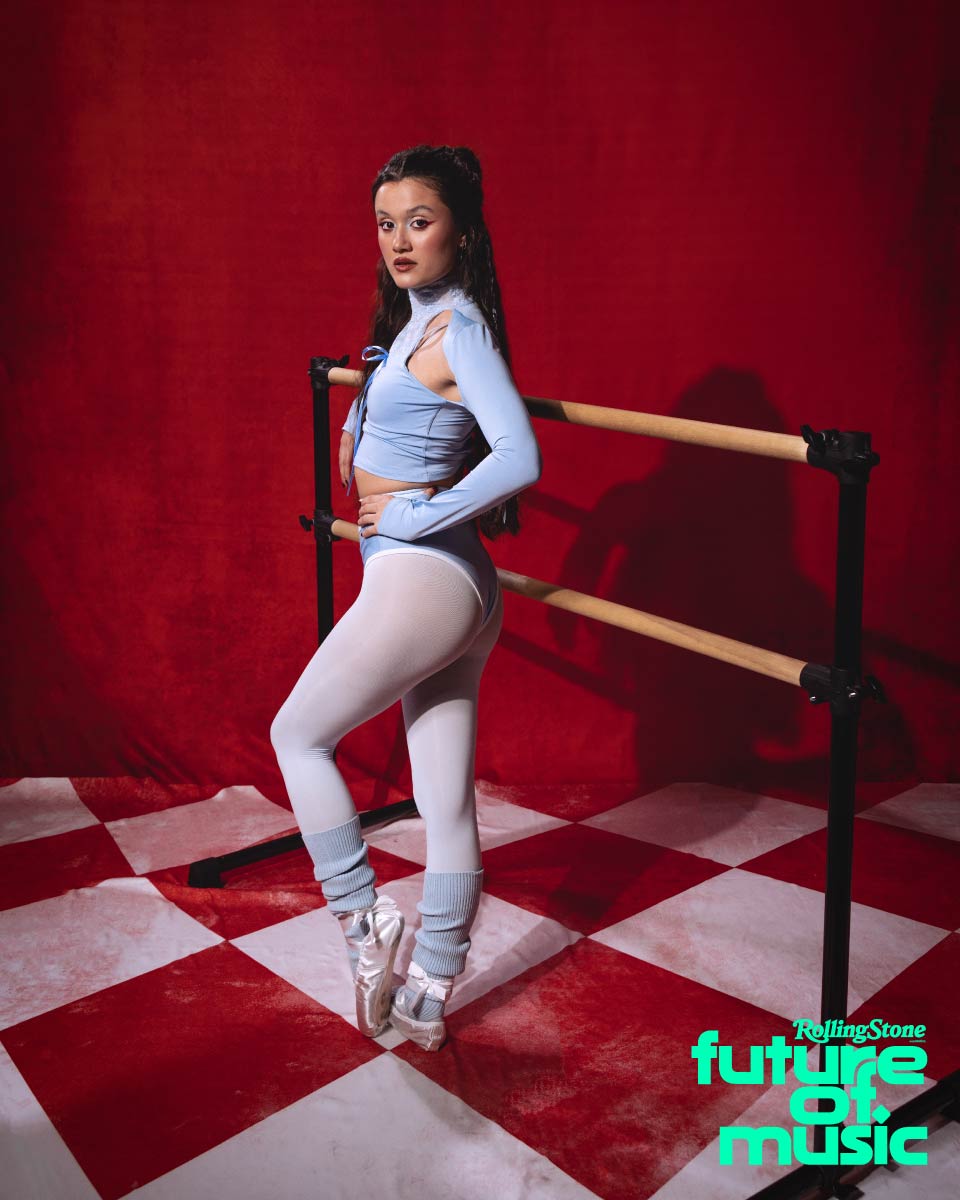
Así como otros jóvenes de su edad, a Joaquina le tocó vivir parte de su adolescencia —una etapa tan crucial para el desarrollo de las personas— en aislamiento. Dice que, al mirar hacia atrás, es como si esa etapa de su vida, entre los 15 y los 17 años, la hubiera absorbido una especie de agujero negro. Sin embargo, también ve ese periodo como una “bendición escondida” pues, producto del aburrimiento, reconectó con la naturaleza y descubrió un gusto por el patinaje. Entre sus paseos solitarios en patines a playas escondidas y muelles desiertos, y sus lecturas de estudios bíblicos y teológicos, tuvo un proceso espiritual que la impulsó a cuestionar la religión y a llegar a sus propias conclusiones. Esto, asegura, la hizo crecer como ser humano.
El primer año de la pandemia fue crucial para su proyecto musical. Por un lado, conectó con el productor venezolano Eduardo Stambury, con quien tuvo sus primeros aprendizajes de producción y pudo publicar su sencillo debut, ‘Primer amor’. Por el otro, una productora la contactó por Instagram ya que le habían llamado la atención sus videos y andaba en busca de artistas para una sesión de composición en Miami. Esa fue la primera vez en que visitó un estudio de grabación y en la que compuso con otras personas. Tras estos acercamientos iniciales a la creación musical de manera más profesional, Joaquina hizo parte de la primera promoción de la Academia Art House de Julio Reyes Copello. Su primer EP, Los mejores años, nació como un “proyecto escolar” dentro del programa del productor colombiano.
“Para mí es importante mantener los pies en la tierra y no tener miedo a seguir intentando hasta llegar a donde quiero”.
“Hay muchas cosas que cambiaría”, comenta sobre el disco entre unas risas modestas. “Pero a la vez hay muchas cosas que le agradezco […]. Yo escribí desde el corazón lo que quería”. El trabajo contiene cinco canciones que van más allá de los amores y decepciones de la juventud; plasman la complejidad de sentirse una outsider en un entorno donde todos parecen ser piezas hechas a la medida. “El concepto nace porque yo estaba en un momento de mi adolescencia en el que todo el mundo me decía que esto era lo mejor que iba a tener en mi vida y yo me sentía tan perdida, tan sola. Nunca tuve ese grupo de amigos, nunca encajé en algún círculo, siempre me sentí muy solitaria, entonces yo decía, ‘Esto no puede ser lo mejor’. Personalmente no me hallaba, no me sentía tan bien conmigo misma”, explica.
Su habilidad para plasmar en canciones esta angustia adolescente la hizo merecedora del Latin Grammy a Mejor Nuevo Artista en 2023, premio que recibió de las manos de Carlos Vives. Entre lágrimas y llevando la bandera de Venezuela, agradeció no haberle hecho caso a quienes le dijeron alguna vez que no valía la pena hacer carrera como cantante. De ahí en adelante, comenzaría a sumar más y más logros entre los que se encuentran canciones con Juanes y Aitana, haber compartido escenario con Morat y Alejandro Sanz, ser parte de la banda sonora de una serie internacional y su primer álbum de larga duración, Al romper la burbuja.
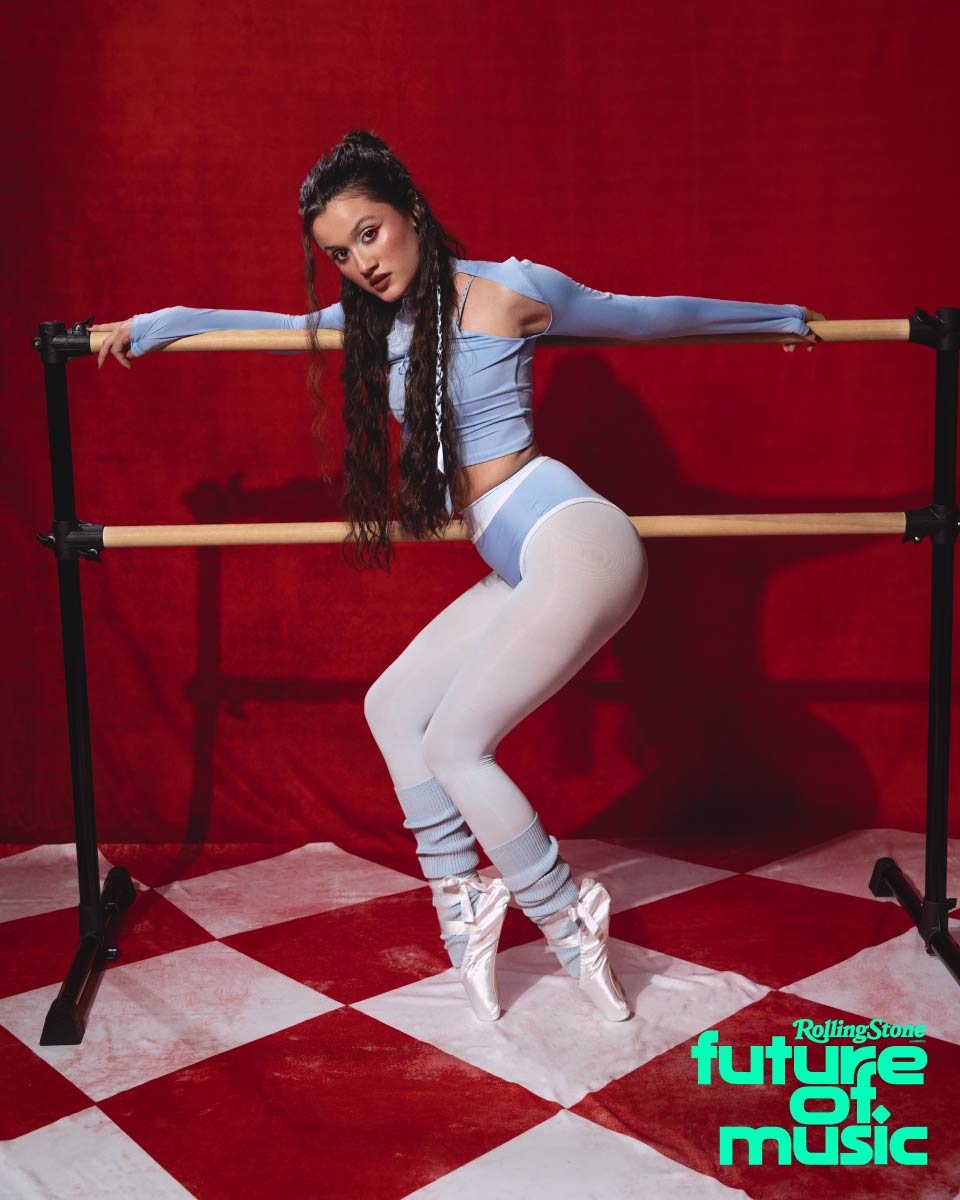
Con letras que escribió a los 19 años, Joaquina publicó en 2025 un trabajo de 14 cortes y 50 minutos de duración que trata sobre ese paso casi traumático de la adolescencia a la adultez. “Todo este disco habla de cómo puedo permitirme evolucionar y crecer, mientras también cuido a esa niña que siempre siguió su intuición”, le explicó a ROLLING STONE en Español hace unos meses. Primeros amores, primeras decepciones, claridades que solo llegan con los años, cuestionamientos internos y dudas existenciales son algunas de las temáticas que aborda en el LP al tiempo que se adentra en sonidos folk, pop rock y synth pop, sin dejar de lado los guiños a su identidad latinoamericana con un poco de joropo y tango. Al romper la burbuja es, en últimas, un testimonio generacional que reconoce que crecer siempre será aterrador, pero que reafirma que el arte puede apaciguar el temor a los cambios o, mejor, puede ser una guía para aceptarlos cuando se trata de algo tan inevitable como el paso del tiempo. Es un disco de “primeras veces” con el que desbloqueó otros logros, como más nominaciones a los Latin Grammy, incluyendo la primera a Álbum del Año.
“Tienen que pasar muchos años de mucho trabajo y de levantar la mano muchas veces para que, por fin, te veas entre la multitud. Y a veces uno piensa que por haber hecho mucho, la gente te conoce, y no es verdad”, reflexiona al repasar los hitos que han marcado su trayectoria. “Estoy en un momento en el que estoy muy consciente de que ya he hecho cosas, pero eso no me asegura la carrera que estoy construyendo”. Siente que está en un “momento raro” en el que ha logrado mucho en poco tiempo, pero en el que todavía hay un montón de personas que aún no la han descubierto. Para ella, es esencial tener esto presente porque puede que su canción número mil sea la primera para alguien que recién la escucha. “Para mí eso es importante, mantener los pies en la tierra y no tener miedo a seguir intentando hasta llegar a donde quiero”, asevera.
“Cantar en Venezuela siempre ha sido mi sueño más grande, principalmente por un sentido de identidad porque a veces he sentido que no soy suficientemente venezolana y tampoco soy lo suficientemente estadounidense”.
Entre tantas metas por cumplir, una de las más significativas continúa siendo ofrecer conciertos en su Venezuela natal. “Siempre ha sido mi sueño más grande, principalmente por un sentido de identidad, porque a veces he sentido que no soy suficientemente venezolana y tampoco soy lo suficientemente estadounidense”, medita. Se mudó a Miami cuando tenía seis años y ha permanecido allí desde entonces, por lo que, naturalmente, la multiculturalidad ha permeado su identidad. Parte de su complejo de outsider antes de comenzar a lanzar música tenía que ver con el “nervio” de ser rechazada por ser insuficiente. “Creo que ha sido al contrario. Los venezolanos me arroparon muy bien y siempre me han hecho muy suya, en general. Me dicen que me esperan allá y he sentido muchísimo amor de su parte, mucho más de lo que me esperaba, eso lo agradezco profundamente”, destaca.
Joaquina se torna un poco más seria al profundizar en las razones por las que aún no ha llevado su show a su país. Sostiene que es una posición personal marcada por sus convicciones políticas, y que por eso mismo considera que sería insensible hacerlo en estos momentos. No obstante, cada vez que regresa para visitar a su familia, aprovecha para hacer encuentros con fans para sentirles más cerca. “Si Dios quiere, y con este nuevo horizonte que estamos viendo, sea posible en los próximos meses o años”, comenta. “Creo que ese día lloraré mucho porque es regresar al lugar que te vio nacer. Es una pieza de mi alma que siempre me ha hecho falta y que tal vez antes no entendía, pero sentir esa gravedad de tus raíces y sentir que perteneces a algo es un sentimiento muy infravalorado”.
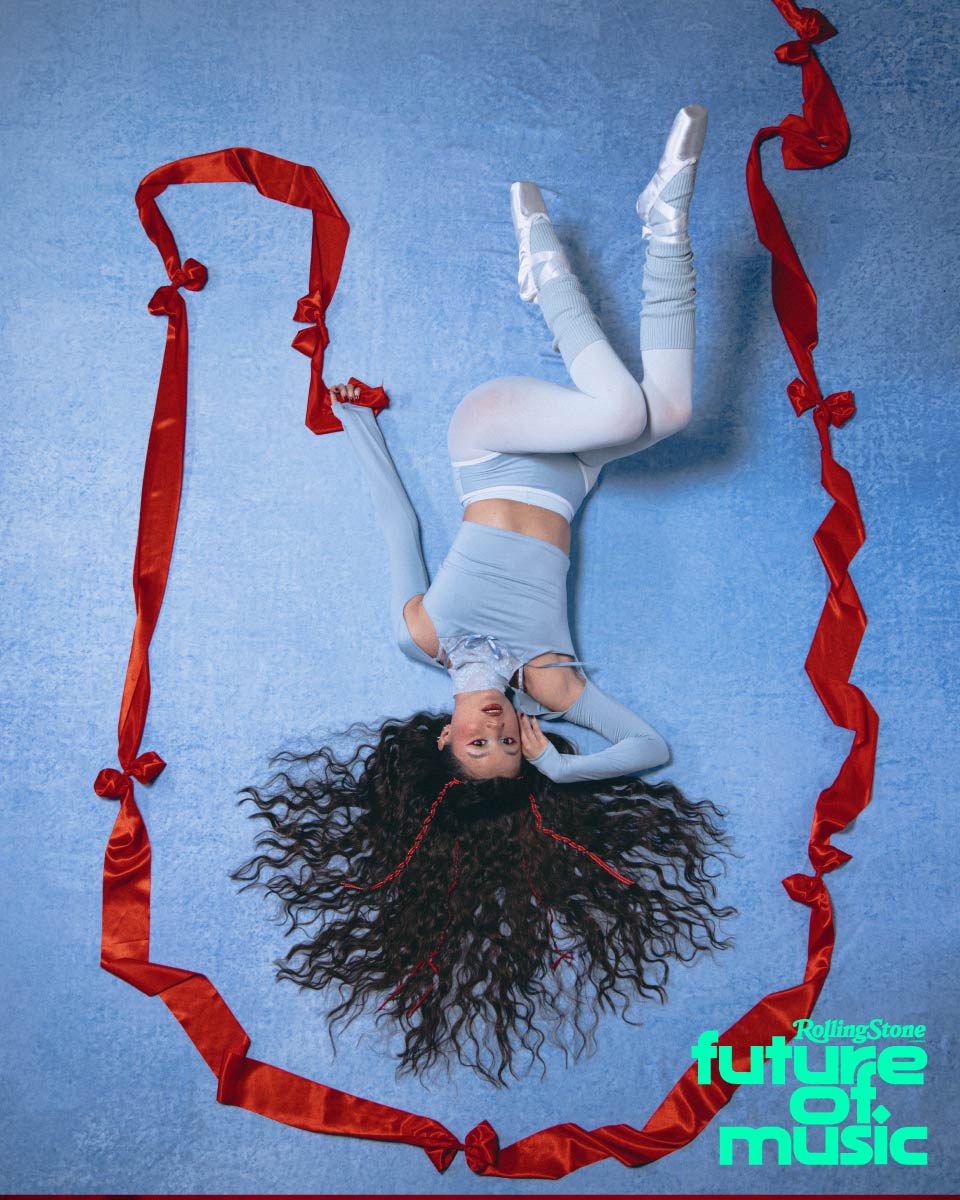
A corto plazo, sus objetivos tienen que ver con despedirse de la era de Al romper la burbuja, y su versión deluxe publicada hace poco funciona como broche de cierre. Sus cinco canciones extra amplían la visión de hacer parte de una generación que creció hiperconectada y que vivió años cruciales para su desarrollo en el encierro, casi sin escapatoria de las pantallas. Para ella, equilibrar su presencia en el entorno digital sin permitir que este la absorba por completo es un reto enorme y algo que aprende a hacer todos los días. “Gracias a las redes, nuestros cerebros han sido condicionados a necesitar dopamina y validación constante”, apunta mientras vuelve a adquirir su tono reflexivo. “Creo que, biológicamente, no estamos programados como seres humanos para vivir pensando todo el tiempo en cómo se ve nuestra vida a través de los ojos de alguien más, ni para despertarnos y tomar el celular para ver qué está haciendo alguien en Australia a las tres de la tarde. Yo debería vivir mi ambiente inmediato”.
Este fenómeno de utilizar el Internet para escapar de la realidad, dice, ha ocasionado un efecto rebote en el que ahora se busca la realidad para escapar del Internet. Sin embargo, es consciente que no puede permitirse desconectarse del todo y que, a su vez, las redes son una herramienta que puede tener un impacto positivo si se usa de buena manera. En su caso, le han permitido mostrar su trabajo y conectar con quienes aprecian su música.
Su opinión respecto a la inteligencia artificial es similar, aunque más crítica. “Yo creo que la inteligencia artificial también es humana, porque nosotros la creamos. Al final del día, todo lo que creemos va a ser humano por default. Pero ahí hay una línea muy delgada”, dice. En relación con la industria musical, reconoce los beneficios que puede tener su uso a nivel de eficiencia pero, de cualquier modo, opina que “el arte no debe ser visto desde un lugar de eficiencia sino como una expresión creativa”. Está en desacuerdo con que se utilicen sistemas de IA para generar canciones debido a que son plataformas que pueden propiciar el plagio, pero también porque lo que más ama de cualquier arte es el hecho de que haya una persona, con sentimientos y experiencias reales, detrás.
“El arte no debe ser visto desde un lugar de eficiencia sino como una expresión creativa”.
Joaquina hace parte de The Future 25, el listado con el que ROLLING STONE en Español destaca a algunos de los y las artistas que están definiendo el futuro de la música. “Es una gran responsabilidad y es un gran honor”, comenta sobre su selección. “Se siente como un voto de confianza”. Sus deseos para el camino que se está construyendo dentro de la industria tienen que ver con retomar el sentido humano de la creación musical, pues considera que muchas de las personas que se dedican a esto no lo hacen por gusto, sino por buscar algún beneficio. “Muchas veces las discográficas y las compañías no cuidan a sus artistas, y eso ha causado demasiados desastres. Sí, existen los charts, los números, pero hay cosas que no puedes poner ahí”, señala. “Balancear el negocio y lo humano para mí es muy importante y creo que ahora solamente están enfocados en el negocio y en el clip de 15 segundos que va a pegar en TikTok. Nadie piensa en la longevidad de la música, en la conexión, en el alma del artista y lo que quiere contar”. Ella sí lo hace y quizás es por eso que hoy miles de personas encuentran abrigo en sus letras. El proyecto musical de una joven “histriónica” y “testaruda” —como ella se describe— que hizo de la música su guarida, ahora acoge a personas que ven en sus canciones una forma de verbalizar el sentir de una generación.
Joaquina todavía está descifrando quién es, y las inquietudes que ahora busca resolver se relacionan con la búsqueda de la identidad. Dice sentirse orgullosa de la música en la que está trabajando y la describe como un “reflejo natural” de la etapa actual de su vida. “Creo que he crecido mucho como compositora, a nivel de herramientas, de fraseo, de lírica. Me siento mucho más cómoda conmigo y más rápida con el proceso, aunque todavía me tomo mi tiempo. Antes de hacer el disco pasado yo no estaba segura de si era capaz y ahora que sé que sí, estoy intentando empujar mis límites”. A pesar de que sus letras las escribe para que también puedan leerse como un poema o prosa, para el sucesor de al romper la burbuja quisiera ser más directa y le gustaría que cada canción estuviera acompañada de un poema. Esta sería una forma más de unir sus dos amores, mas su música en sí misma ya es un poemario musical.
Historia: Melisa Parada Borda @melisaparb
Fotografía y Edición: Zárate Film
Direccion Creativa: Zárate
Productor Ejecutivo: Alejandro Ortiz @xalejandro.ortiz
Dirección Produccion: Zárate y Camila Canabal
Asistencia: Valentina Caraballo
DP: Amsty | Animositty
PA: Emilio De Hoyos
Digi Tech: Hermés Abreau
Direccion de Arte: Laura Lizarazo
Styling: Daniela Tokio
Hair: Natalia Bratin
Makeup: Nanda Quero
Edición y Color Video: Lacrymoso
Producción Republic Creative Studio & The Ghost Projects | @wearerepublicstudio @theghostprojects
Productora Creativa: Zárate y Camila Canabal
Productor: Manuel Paez
Asistente de Producción: Jesus Canizales & Dorothy Dolfo
Gaffer: Jose Angel Wasa
Grip: Alejandro Solanilla
The post Joaquina, la sensibilidad poética hecha música appeared first on Rolling Stone en Español.
Dr. Raymond Coffer, former manager of Smashing Pumpkins, Cocteau Twins and The Sundays, has died following a short illness, a representative confirmed. He was 70 years old.
Coffer was a notable manager who worked with some of the biggest names in U.K. rock and worked with Smashing Pumpkins during the 1990s.
Related


After starting his career in his family’s soccer souvenir business, Coffer trained as a chartered accountant and subsequently met U.K. band Love and Rockets, eventually becoming their manager. He guided the Northampton-formed group to a placement on Billboard’s Hot 100, charting at No. 3 with “So Alive” in 1989.
Coffer, known for his flamboyant sense of style, went onto manage a number of beloved U.K. indie rock bands including Cocteau Twins, The Sundays, Curve and Ian McCulloch of Echo & The Bunnymen.
Coffer began working with the Smashing Pumpkins in 1990 ahead of their debut album Gish, which released the following year. The band went on to become one of the best-selling rock bands of the decade, and hit No. 1 on the Billboard 200 charts with Mellon Collie and the Infinite Sadness in 1995.
During this time he also partnered with and provided mentorship for Andy Gershon, founder of Outpost Recordings and former boss of V2 Records, and Darren Michaelson, a music-rights fund manager and a board member of the PRS Fund.
He was also a founding board member of the Music Managers Forum alongside Ed Bicknell (Dire Straits) and Elliott Rashman (Simply Red) in 1992, serving until 1996. Coffer retired from the music industry in 2011 and earned a PhD from the University of London in Germanic and Romance Studies. He also founded the free-to-all Bushey Park Performing Arts Festival in north London.
Martin Mills, Beggars Group chairman said, “I am saddened to hear of Raymond’s passing. He played an extremely important role in the Beggars story and we had a lot of fun together over the years. Not only did he manage two of the most important bands in our early years in Love and Rockets and Cocteau Twins, he also managed two lesser known acts that we loved – Xymox and Swell. I shall miss his charismatic personality and passion for the artists he represented.”
Merck Mecuriadis, founder of Hipgnosis and MMF Custodian, said “Raymond was a lovely man and a manager that made a difference to his artists. May he rest in peace.”
Coffer died on April 30, and is survived by his wife Roberta, son Nick and his grandchildren.

Don’t bother checking the forecast, because based on Drake‘s latest move it’s going to be an ice cold summer. In the latest chapter of the “Hotline Bling” MCs slow-but-steady rollout for his upcoming Iceman album, due out on May 15, Drake gave his Toronto mansion, The Embassy, a frosty makeover.
In a series of pics on his Drake Related site, Drake shared snaps in which the front entrance to his estate is covered in icicles and frost, including his fleet of luxury vehicles. In a testament to what fans can expect from the album, the studio space was also iced out, with snow and icicles dripping from the consoles and keyboards and covering a C-shaped couch at the center of the room.
The cold snap creeped into Drizzy bedroom, pool (with links to some “Hotline Bling” merch and his Nike Nocta collab) and kitchen. And, if you click around enough, you can land on El Chico Studios, where the rapper has hidden the “Wick Man” instrumental from his Scary Hours 3 mixtape.
The mansion glaze-over is just the latest in a string of frozen promo Drake has been doing for the album over the past month, beginning with frozen courtside seats at Scotiabank Arena for the Raptors season finale against the Brooklyn Nets on April 12. He followed that with an even more outrageous stunt in downtown Toronto, where he hid the album’s release date inside a massive block of ice. Fans descended in droves to check it out and chip away at the sculpture until police showed up to control the crowd of nearly 800 who had gotten to work on the one million pounds of ice using ice picks, blowtorches, lighters and other implements.
The tables were turned, though, by the Cleveland Cavaliers, who eliminated Raptors team ambassador Drake’s team in the first round of the NBA playoffs on May 3 in game 7, and appeared to troll Drake in the waning minutes of the contest by playing Kendrick Lamar’s iconic diss “Not Like Us” to hype up the hometown crowd and troll the rapper and Raptors fans.
“DEFROSTED,” the Cavs posted to X alongside a poster featuring the Iceman ice sculpture from downtown Toronto, swapping out a “W” inside, instead of the album release date. “Internal Findings: Cavs W Detected in Core,” the graphic read. “Final Conclusion: Cavs in 7.”
Iceman will be Drake’s first solo album since 2023’s For All the Dogs, which topped the Billboard 200.
SYDNEY, Australia — RAGEFLOWER is ready to bloom, through a new management deal with Weird Fishes.
Spearheaded by songwriter and musician Madeleine Powers, RAGEFLOWER made ripples in the domestic music industry last year with its debut EP INFINITE HIGHS, END OF TIMES and impressive performances at BIGSOUND 2025, plus the release of the singles “Desk Job” and “Control,” both of which have enjoyed high-rotation on triple j.
Key Spotify playlists have added RAGEFLOWER, from New Music Friday AU/NZ, to Pop n Fresh, Hits Different, Glow, Fresh Finds AU and Tapestry, in addition to several Apple Music playlists. Also, support slots have opened up with The Temper Trap and The Darkness.
Classically trained at the Sydney Conservatorium of Music, Powers changed tac and found creative freedom in distortion pedals, vulnerable lyrics, and shimmering synths. It’s channeled into an indie rock/pop act that is “without doubt the most exciting new artist we have seen in the last few years,” comments Weird Fishes co-founder Aidan McLaren.
“The creativity, the songwriting, the captivating live show, the connection, it’s all there,” McLaren continues. “What Maddy is creating is something really unique, very special and strikingly authentic. We couldn’t be more pleased than to be joining the team to help bring the RAGEFLOWER world to life, and to bring it to people around the globe.”
“There’s a magnetic intensity to RAGEFLOWER that you just don’t see every day,” adds Weird Fishes’ Alanna Vullo. “She isn’t afraid to push boundaries or bare her soul, and the result is art that genuinely moves people and leaves a lasting mark. We are absolutely thrilled to step in as her management team and back such a fiercely creative talent”. Vullo, who joined the company late last year, assists McLaren on day-to-day management.
It’s all falling into place for RAGEFLOWER, which recently signed to Select Music (Rob Giovannoni) for Australian live bookings, and caught the eyes and ears of Paul Wilson and Nikos Kazoleas at CAA, who represent for U.K./European live bookings; Paul Wilson books Sam Fender, Lianne La Havas, Tracey Chapman, Dermot Kennedy, while Kazoleas served with as a music agent at UTA for more than a decades, and has worked with the likes of Sombr, GAYLE, Rebecca Black, Trixie Mattel, BANKS, Joshua Bassett, and others.
At Weird Fishes, which opened for business just nine months ago, RAGEFLOWER joins a roster that includes Boy & Bear, Tim Hart, The Dreggs, Steph Strings and Pete Murray. The team, led by McLaren, Joe Miles and Rhett McLaren, was nominated for manager of the year at the 2026 AAM Awards, presented last week in Sydney.
From her early, scene-stealing soapie days, through to pop superstardom, and with it the hordes of fans, red carpets, music videos, awards, and major concerts, Kylie Minogue has sure lived the life. The veteran Aussie pop star has also endured the cancer battle, the detractors, and the loss of loved ones. And it’s all there, in Kylie, the three-part Netflix documentary series, the first trailer for which has arrived.
Almost 40 years of Kylie’s glittering career are locked into two-and-a-half minutes, for a video which captures the ridiculous highs, and the gutting lows of a life lived in the spotlight.
Nick Cave, who invited Minogue to join her on his Murder Ballads breakout hit from 1995, “Where The Wild Roses Grow,” and again on his 2014 film 20,000 Days on Earth, contributes to the forthcoming series. “Kylie is this force,” he explains in the new clip. “It’s all outward, giving.”
The trailer invites us in, as Kylie grows up on our screens and the airwaves. We see professional snaps of Kylie cuddling with her ex Michael Hutchence, the late frontman of INXS. The glamor and the smiles are immediately wiped out when the trailer explores Kylie’s battle with breast cancer, and the haters, which lurked for so many years. “We didn’t know if she was ever going to be well again,” her younger sister Dannii explains in the clip. “Music kept us going,” Kylie continues.
We also hear Kylie rip out an expletive that would make many of her compatriots proud.
The project is coming to Netflix on May 20, and directed by Emmy- and BAFTA Award-winner Michael Harte (Three Identical Strangers, BECKHAM) and produced by John Battsek’s Ventureland (WHAM!, The Deepest Breath).
As previously reported, the doc examines how she’s “faced public scrutiny, personal loss, and illness with grit and grace, earning respect far beyond her own fandom,” reads a description from Netflix.
Kylie is one of Australia’s best-selling female artists of all-time, shifting more than 80 million records worldwide. Her collection of awards is positively heaving with 18 ARIAs, induction into the ARIA Hall of Fame, the Ted Albert Award for outstanding services to Australian music, the U.K.’s MITS Award, and two Grammys. She has also featured in more than a dozen films, including The Delinquents, Street Fighter, Moulin Rouge!, Kath & Kim, Holy Motors and The Residence.
Her recent hot streak has included Las Vegas residencies; a deal with United Talent Agency (UTA) for live representation in the U.S. and Canada and acting roles worldwide; the Global Icon Award at the 2024 BRIT Awards, becoming just the second woman to win it following Taylor Swift in 2021; and the Billboard Women in Music Icon Award.
In her adopted homeland, the U.K., where she’s celebrated as the “princess of pop,” she boasts 11 No. 1 albums, and in Australia, Kylie’s has tallied nine chart leaders. In the United States, Kylie has landed 12 titles on the Billboard 200, and seven songs on the Billboard Hot 100, including top 10s with her 1988 cover of “The Loco-Motion” (peaking at No. 3) and 2002’s “Can’t Get You Out of My Head” (No. 7).
Minogue was recently confirmed as the headliner for the 2026 AFL Grand Final Australian rules football championship at Melbourne’s MCG on Sept. 26, becoming the first Australian artist to headline the event since 2021.
All products and services featured are independently chosen by editors. However, Billboard may receive a commission on orders placed through its retail links, and the retailer may receive certain auditable data for accounting purposes.
Teddy Swims has never stayed in one lane, and at this point, that’s less a career strategy than the reason he keeps showing up in places that don’t always seem obvious at first glance. His voice carries the grit of soul, the pull of R&B and the kind of storytelling that increasingly resonates with country audiences, which is exactly why his presence at Stagecoach this year felt less like a surprise and more like a signal of where things are headed.
Country’s current surge isn’t just about chart positions — it’s about how far the genre has stretched. Artists who move between sounds, like Post Malone and Jelly Roll, are finding just as much traction with festival crowds as traditional headliners, and Swims sits comfortably in that in-between space. When asked whether topping the Billboard Hot 100 and playing massive festivals changes how he sees himself, his answer stays close to home.
“To me, I want to be the best,” he told Billboard during Stagecoach last month. “And to my son, I want him to think I’m cool. And so it’s more just about trying to be proud of me.”
Swims had another special guest with him during his Stagecoach performance — his dad was there to watch him perform, a moment that made the scale of everything feel a little more grounded. As the singer explains, it wasn’t about milestones or metrics but rather a full-circle moment that has sharpened his focus on what success actually looks like beyond the charts.
“I think one day I hope that my son, maybe, hopefully, will want to do this,” he says. “If not, I’m supporting whatever he wants to do. But my dad watching me, how proud he is… how cool would that be one day to be like, ‘I’m so proud of my son too.’ And he gets to watch me do this and he’s proud of his dad.”
That same mix of intimacy and scale showed up just steps from the Mane Stage inside Club Magenta, a VIP section sponsored by T-Mobile and reserved exclusively for Magenta Status customers. A private bar, shaded seating, Free 5G Wifi and built-in charging stations weren’t just conveniences, they extended the experience, keeping fans connected to the headliner stage without needing to leave it.
Swims’ takeover of the space on Day Two made Club Magenta even more interactive. Signature drinks, airbrush tattoos and a custom cowboy hat station gave Magenta Status members an even more exclusive experience beyond the music at Stagecoach.
Access, however, was limited to T-Mobile customers with Magenta Status, turning Club Magenta into a members-only vantage point at the heart of the Mane Stage.
Beyond Stagecoach, Magenta Status functions as an ongoing layer of perks rather than a one-off festival upgrade, including streaming benefits, travel discounts, and discounted tickets for live events ranging from festivals to sports. If you’re considering a switch, they have quite the incentive: T-Mobile will cover up to $800 of a previous provider’s bill and, to sweeten the deal, it takes less that 15-minutes.
Club Magenta is headed next to Lollapalooza, bringing the same access-driven setup to a different crowd. For fans looking to take advantage, signing up for T-Mobile and accessing Magenta Status ahead of time is the move.
Kobie Dee is the headline performer for the Isuzu UTE A-League 2026 Grand Final, Australia and New Zealand’s premier soccer league.
When the Sydney artist from Bidjigal Land Maroubra takes his spot during the weekend of May 23/24, it’ll mark his first time performing at a major national sporting event.
Dee is tapped for the big show just days after the release of his new single “Aim For The Stars” (via Bad Apples Music/Island Records Australia), an energetic, anthemic track that was selected as the official sync for the competition’s Finals campaign, the ad for which is currently streaming on Paramount+.
“I want people to hear this song and feel like no dream is too big,” Kobie explains in a statement. “Especially young people coming from the same streets I started in. I want them to believe that they can see themselves in these spaces too. For me, ‘Aiming For The Stars’ means taking Maroubra to the world, not leaving it and just telling stories about it.”
“Aim For The Stars” was written with producer NERVE and collaborators WYES, GENE and SMAK. “When NERVE started the beat, Kobie continues, “I just went straight in with the lyrics. It was one of those moments where everything flowed and I was able to get everything off my mind.” “We dominate in sport,” he adds, “but we’re also incredibly creative. There’s so much talent in our communities that could have gone into music or sport.”
Kobie enjoyed a breakthrough year in 2025, when he was nominated for the inaugural NSW Music Prize (for “Chapter 26”); performed on stage at the ARIA Awards with Young Franco, Baker Boy, Anna Ryan and Touch Sensitive; and founded Twenny47 Studios, a creative space in the heart of his community dedicated to supporting and mentoring emerging First Nations artists.
The rising hip-hop artist’s career streams top 80 million; he has landed slots at such festivals as Splendour in the Grass, Listen Out, and Spilt Milk; and collaborated with such brands as Lacoste and GQ.
The location of the A-League final is still to be decided. Tickets will be available from 4pm AEST next Monday, May 18. The official music video for “Aim For The Stars” will drop later this month.
Your favorite performer is coming to a movie cinema near you.
Bebe Rexha, Paris Hilton, Maren Morris and Kim Petras are among the first wave of artists participating in new, interactive concert experience that will beam the show into hundreds of theaters across the United States.
Arena One, the new live entertainment company, and AMC Theatres, the giant theatrical exhibitor, join forces for Arena One at AMC, a real-time, interactive concert format that will be pumped into 300 AMC locations in 89 markets from June.
The concerts are an upgrade from the cinecast experience that found traction with some a-list artists and their fans in the late 2000s, when a slew of live concerts and exclusive events were fed into participating cinemas.
Through this new concept, announced this week, the artist will perform on Arena One’s purpose-built stage, while “seeing and responding to fans at AMC locations through innovative interactive technology,” reads a statement from organizers.
The advantages are obvious. For the artist, the initiative enables them to reach more fans, in more places, without hitting the road. And for those fans who can’t physical get to see their hero, due to cost, distance or other reasons, they now have a virtual front-row seat.
“The next chapter of live shows isn’t about proximity to big venues, it’s about creating visceral, intimate, affordable live connection between artists and fans no matter where they are,” explains Rohit Kapoor, founder and chief creative officer of Arena One. “Arena One gives artists a new cinema-native canvas to create live performances, while amplifying the raw energy and shared fandom that makes live shows unforgettable.”
First up, Bebe Rexha will perform an Arena One at AMC concert June 17, followed by Paris Hilton (June 18), Kim Petras (June 19) and Maren Morris (June 20).
Ticketholders will soak up an atmosphere that’s “designed to feel immediate and electric, featuring powerful sound, massive screens,” comfortable seats, and more, reads a statement.
“We consider this to be a major announcement,” explains Adam Aron, chairman and CEO of AMC Entertainment, and an “innovative step forward” for the business.
Additional artists and dates will be announced in the coming weeks, with ticket prices varying by market.
“We built a cinematic stage optimized to translate seamlessly to cinemas, but artists are defining what it becomes,” adds Peter Hamilton, CEO of Arena One. “They’re not adapting tours; they’re building something new. That’s when a medium sparks reinvention.”
Showtimes are available on AMCTheatres.com, the AMC Mobile App, and at arenaonelive.com/shows.
Universal Music Group (UMG) is continuing to fight Salt-N-Pepa’s attempt to claw back ownership of the duo’s master recordings, arguing in a new appellate filing that copyright law’s termination right is not absolute.
The world’s largest music company submitted a brief on Tuesday (May 5) urging the Second Circuit Court of Appeals to reject the challenge lodged by Cheryl “Salt” James and Sandra “Pepa” Denton. The rappers sued UMG last year for refusing to revert their iconic late ’80s and early ’90s catalog under the so-called “termination right,” a tenet of the U.S. Copyright Act that allows artists to reclaim ownership of intellectual property decades after signing it away.
Related

Salt-N-Pepa Music Ownership Appeal: Irving Azoff Org Supports Duo, Blasts ‘Ill-Conceived’ Court Ruling
A New York federal judge threw out the lawsuit in January, determining that Salt-N-Pepa had no termination rights because they did not actually sign their 1986 record deal. Rather, the contract was between Next Plateau Records, which has since been absorbed by UMG, and the rappers’ producer, Hurby “Luv Bug” Azor.
Salt-N-Pepa have argued on appeal, with support from Irving Azoff’s Music Artists Coalition, that this ruling goes against Congress’ intent in crafting the termination right — that is, to give power back to creators who often lack leverage in early-career negotiations. But in Tuesday’s response, UMG said Salt-N-Pepa cannot explain away the “foundational deficiency” of the duo’s lawsuit with a “single-minded focus on the termination provision’s general intent to benefit authors.”
“While plaintiffs and their amici emphasize the congressional policy to give authors a second chance to capture the value of their creative works through a termination right, they ignore the extent to which the entire termination provision is itself a carefully balanced scheme that also places important limitations on when and how the right may be exercised,” wrote UMG’s lawyers. “[The lower court] correctly found that the present case falls clearly outside the scope of any termination right created by Congress.”
According to UMG, one of these key limitations carved out by Congress was that artists cannot terminate a copyright transfer made by a third party like Azor. That’s exactly what the rappers tried to do here, UMG argued, adding that the New York judge in no way reinvented the wheel by shutting them down.
Related

“Plaintiffs also criticize the district court for purportedly creating a new standard,” wrote the company’s attorneys. “However, properly understood in the context of the entire opinion, the district court’s analysis of the 1986 agreements reflects nothing more than the modest and obviously necessary requirement that a grant of copyright be made by the actual owner of the rights.”
Salt-N-Pepa’s lawyer did not immediately return a request for comment on UMG’s brief. The rappers will get another chance to rebut these arguments in writing, after which a panel of Second Circuit judges will hear oral arguments before ultimately deciding whether to revive Salt-N-Pepa’s lawsuit.
The Salt-N-Pepa appeal is not the only ongoing legal case in which UMG is staunchly defending the limitations of termination rights. The company is also part of a broader coalition challenging a landmark recent court ruling that expanded termination rights beyond U.S. borders.
UMG, Warner Music Group, Sony Music Entertainment and BMG all came together last month to buy the disputed copyright in that case so they could bring it to the U.S. Supreme Court for reversal. They’ve now begun the process of asking the justices to weigh in, saying the underlying decision goes against decades of industry norms and has “upended” global music dealmaking.