


Courtesy of Nameless Festival 2026

Síguenos en Redes




Lizzo returned Friday (June ) with her first album in four years, BITCH, hitting streaming services. Shortly after the project’s arrival, the Detroit native shared an alternate edition of the LP’s title track, which seemingly finds her taking aim at Nicki Minaj.
Related
Lizzo reposted a screenshot of Minaj’s tweet from Feb. 1, which saw the Queens rapper mocking Lizzo’s weight loss and upcoming album.
“Fat Lizzo lost 300 lbs just to sell 300 albums,” Minaj wrote at the time alongside a photo of a Chucky doll. “So now she has loose skin AND a flop album, AND a weird charge. Sheesh.”
Lizzo put the audio of the remixed version of the album’s title track over the screenshot of Minaj’s tweet with the caption, “Since I’m blocked.”
“Used to be the biggest fan, then I lost weight/ Wait, wait, let me fixate,” she raps. “Paid to keep the peace, I don’t even like beef/ Crazy thing is you knew me you would like/ I’m praying for our sisters, I want to see us all in our bag.”
As of press time, the “Super Bass” rapper is yet to respond to Lizzo.
Lizzo’s BITCH is her first album since 2022’s Special, which contained the Billboard Hot 100 No. 1 hit “About Damn Time.”
“Reclaiming the word ‘bi—’ is power. It’s taking a label once used to diminish women and turning it into a declaration of confidence and unapologetic self-love,” the “Truth Hurts” artist said in a statement. “So many incredible women in music have used the word for positivity like Meredith Brooks and Missy Elliott. It was only fitting to name my album BITCH because it has become my favorite word when using it on my own terms, and because I am 100% that bi—!”
Billboard has reached out to reps for Minaj for comment.
Florida Georgia Line has signed with The Core Entertainment for management, further signaling that one of country music’s most successful duos is back in business together.
The Core Entertainment had already begun managing FGL’s Tyler Hubbard as a solo act several months ago, but has now added the group, which is composed of Hubbard and Brian Kelley.
Related
The pair went on hiatus in 2022, with each releasing solo music, but reunited in March at Country Radio Seminar to help honor Jason Aldean. They then popped up at Nissan Stadium Thursday night (June 4) for CMA Fest, announcing, “We back, baby!” after playing “Round Here” and “Cruise.”
“CMA Fest, it feels so good to be here with my brother,” Hubbard said from the stadium stage. “And listen, we got three things we want to say tonight. First of all, God is good. Second of all, life is short. And most importantly, your boys … we back, baby!”
There is no word on whether the pair is working on new music, but Billboard has learned that more FGL live shows are coming in 2027. The pair’s last album was the deluxe version of 2021’s Life Rolls On, which came out on Nashville Harbor (formerly known as BMLG Records).
FGL have been dropping hints that a reunion was coming. In January, Kelley posted a video on Instagram of himself and the words “after going on the hike with T-Hubb” that then segued into a video of Jon Hamm as his Your Friends & Neighbors character tripping out at a club.
The post drew a slew of comments, including from Hubbard, who responded with two walking emojis and a pumped bicep, while HARDY wrote, “Do I need to start writing FGL songs again?” and ERNEST wrote, “The hike heard round the world.”
On the red carpet at the Academy of Country Music Awards last month, Hubbard said the pair had been “flirting with the idea of playing a handful of shows next year.”
Following the duo’s massive debut single, 2012’s “Cruise,” FLG followed up with a slew of hits, including “Round Here,” “Stay,” “This is How We Roll,” “Dirt,” “H.O.L.Y.,” “Simple” and “Long Live.”
The Core Entertainment, helmed by co-founders/co-CEOs Simon Tikhman and Kevin “Chief” Zaruk, also manages Nickelback, Dan + Shay, Bailey Zimmerman, Nate Smith, Cameron Whitcomb and Josh Ross, among others.

For three days, the city of Lecco, in northern Italy, became one of the epicenters of live music in Europe. By the end of Nameless Festival 2026, one thing was clear: the event had achieved something many festivals struggle to pull off – growing larger while staying true to the identity that made it successful in the first place.
After years of expansion and increasingly ambitious editions, organizers made a bold decision this year by bringing the festival back to its original home at Lecco’s Centro Sportivo Bione, the venue where Nameless first began its journey in 2013. The move proved to be a winning one. Thousands of attendees, mostly aged 18-35, from across Italy and around the world, descended on the city, transforming the shores of Lake Como into a vibrant hub of music, culture, and community. International participation was particularly strong, with 25% of attendees traveling from abroad and a remarkable 10% coming from the United States alone, according to the organizers.
Billboard Italy attended the festival since the inaugural date of Saturday, May 30, and from the moment the gates opened, the excitement surrounding the return to Bione was impossible to miss. Long lines formed at the entrances, several areas quickly reached capacity, and a steady stream of festivalgoers moved between the event’s five stages. The atmosphere felt less like a regional event and more like one of Europe’s established major festivals.
Courtesy of Nameless Festival 2026
What stood out most was the diversity of the crowd. While Nameless continues to attract an increasingly international audience, it has managed to preserve the sense of identity and community that longtime attendees have come to associate with the festival.
Friday’s opening day drew massive crowds, thanks in large part to the return of Calvin Harris, arguably the most anticipated artist of the entire weekend.
The Scottish DJ and producer made his long-awaited return to Italy after more than a decade, choosing Nameless as the stage for his comeback. As the lights dimmed on the Ploom Stage and the first notes of his set rang out, a sea of fans packed the festival grounds.
Harris crafted a performance that spanned more than fifteen years of chart-topping hits, seamlessly blending recent releases with the tracks that helped define modern dance music. Songs like “Summer,” “Feel So Close,” “Sweet Nothing,” and “We Found Love” sparked a wave of collective nostalgia among millennial fans, many of whom grew up with those records as the soundtrack to their teenage years.
But nostalgia alone doesn’t explain Harris’ appeal. The younger generation was equally engaged, singing along to every lyric and anticipating every drop. The performance became more than a greatest-hits-set – it was a celebration of electronic music’s enduring ability to connect audiences across generations.
Reducing Nameless’ success to its biggest names would miss the bigger picture. One of the most impressive aspects of the 2026 edition was how effectively the festival spread attention across its entire site. Whether attendees were exploring the house-driven sounds of the Red Bull Energy Zone, the bass-heavy programming inside the Nameless Tent, or the urban and pop performances at the Garnier Fructis Arena, there was a clear sense of variety and intentional curation throughout the weekend.
The “Less Names” concept, featuring surprise guests whose appearances were kept secret until showtime, also played a significant role in maintaining excitement. The unpredictability has become part of Nameless’ DNA, giving fans a reason to stay curious and engaged throughout the event.
If day one delivered the biggest headlines, day two offered perhaps the clearest demonstration of how far Nameless has evolved. As the day unfolded, it became increasingly evident that the festival no longer depends solely on its headliners, which included John Summit, Halō and Pendulum. Attendees moved organically between stages, discovering both established international acts and emerging artists. The energy never dipped, regardless of who was performing – a subtle but important sign of a festival that has reached maturity.
Courtesy of Nameless Festival
By now, Nameless feels fully aware of its place within the European festival landscape. It is no longer an up-and-coming event trying to prove itself. It has become a destination in its own right. The festival’s final day maintained the momentum, delivering another packed schedule (that included headliners Fisher, Chris Lorenzo and Svdden Death) and reinforcing the consistency of the entire weekend.
As the closing performances unfolded and attendees prepared to say goodbye to another edition, the atmosphere became increasingly celebratory. Beyond the excitement of the music itself, there was a palpable sense of appreciation for the people who have spent years building Nameless into what it is today.
One of the most memorable moments came after the final sets had ended, when festival staff gathered to applaud CEO Alberto Fumagalli. The spontaneous tribute served as a reminder that behind the impressive attendance figures, sold-out stages, and international reputation stands a long-term vision that has transformed Nameless from an independent passion project into one of Europe’s most respected music festivals.
Ultimately, the success of Nameless 2026 cannot be measured solely by attendance numbers, major artists, or economic impact. The festival’s most meaningful achievement may have been its decision to return home. Bringing the event back to Lecco represented both a risk and a statement of identity. The overwhelming response from attendees confirmed that the choice resonated.
Judging by what unfolded on the shores of Lake Como this past weekend, this homecoming feels less like a return to the past and more like the beginning of a new chapter – one that will continue to unfold when Nameless Festival returns on June 4, 5, and 6, 2027.
Joe Budden has apologized to Latto in a clip from a Patreon episode of the Joe Budden Podcast that recently surfaced.
Earlier this week, Latto tweeted out a picture of her handwritten lyrics to “Hostage” from her new album Big Mama, and @’d the podcaster after Budden said that her flow reminded him of Drake‘s cadence on ICEMAN’s “Shabang.” So, of course, his co-hosts brought it up and he tried to explain his reasoning.
Related

TDE’s Punch Addresses ‘Bot Allegations’ on ‘Joe Budden Podcast’: ‘Our True Metric Is Seeing People in Them Seats at the Show’
“I ain’t tryna be funny — somebody not writing they sh– is a heavy accusation,” he said after jokingly saying he’s never seen someone write raps on a white board before. “So I wasn’t really trying to say that about her. She’s been on the show, she won the Netflix show, she says she writes all her sh–.”
He then added that being influenced by other rappers that you like is something that could happen when you sit down to write your own songs. “But there’s also such a thing as listening to somebody so much that they influence … they kinda rub off on you when you write. That’s a thing,” he continued. “She could really listen to Drake 24/7 and love that flow so much that now when she writes that’s what’s happening. I wasn’t tryna she don’t write her sh–. When I used to write, I would try my best to not listen to the radio or other rappers because whether you like it or not, whoever you like, it’s gonna happen.”
Joe then apologized for the misunderstanding, saying, “Latto, I’m sorry. I wasn’t tryna play with your pen like that. I get how it sounded like that, so my bad.”
Latto has been busy since her fourth album, Big Mama, last week, including dissing Cardi B on “Gimme Dat” in response to a leaked phone call in 2025. Cardi has since apologized.
The Electric Daisy Carnival in Las Vegas brings together the top DJs in the dance world every year for an estimated 500,000 attendees to enjoy over 3 days. For many EDM artists, playing the festival is a marker for truly “making it.” This year, Toronto-native, HNTR made his EDC debut. Although he didn’t have a set on the lineup in 2025, his presence was definitely felt. His remix of Cloonee and InntRaw’s “Stephanie” which samples Young M.A’s “OOOUUU” could be heard at practically every stage.
Fast forward one year and HNTR’s dropped his new track “Holla At A Player” featuring Academy Award Winner, Juicy J. We caught up with the DJ and producer to find out how the song came together, see what his life looks like after the success of a viral remix and get to know the man behind the stagename.
At last year’s EDC, I asked a bunch of DJs what the most played track of the festival would be and Tiësto, Alison Wonderland, Alok, Morten, and Tape B all said your remix of Cloonee’s “Stephanie” would be the most played song of the year. A year later, what was it like watching that song blow up?
It was honestly unreal. When I made that remix, there was no strategy behind it. It was just something I made that purely for fun cuz I thought it would be cool to put my spin on it.
To see it go from a bootleg in my sets to a record being played by pretty much everyone was crazy. It changed my career, but more than anything it gave me confidence that there was a real audience for the sound I was building. Gotta shout out Dom Dolla. That one video changed everything
From having the most played song last year, to making your EDC debut this year, was playing Stereo Bloom everything you expected? What were you thinking going into that set?
EDC has always been a bucket list festival for me, so just being on the lineup was a huge moment. I have probably never put more effort into a set, I had my laptop in the trailer working on music till the last few minutes before I went on stage. I wanted to play as much of my own (new) music as possible.
Once I stepped on stage and saw the crowd I had a bit of a moment to myself. It was one of those times where you realize where all the hard work has taken you.
For fans who just discovered you from that track, who is HNTR? Can you tell us about your background, your influences, and what it’s taken to reach this point in your career?
I’m a producer and DJ from Toronto. It’s a city with a huge hip hop culture and a really deep dance music scene, so those influences naturally came together in the music I was making.
A lot of people told me that blending hip hop and dance music the way I wanted to wouldn’t work. But I always believed there could be an audience for it. People discovered me through Stephanie, but before that there were years of learning, experimenting, putting music out, playing clubs, throwing parties, and figuring out what HNTR actually sounded like. If you go back to the very first HNTR release you can hear that I had been trying the formula for years before it actually hit.
A lot can change in such a short period of time. What are some of your top achievements within the last year?
Obviously Stephanie was a huge moment, but making my EDC debut, touring internationally, and seeing my music supported by artists I’ve looked up to for years have all been major milestones.
What I’m most proud of is that we’ve continued building momentum beyond a single record. 8 beatport No.1s in a year was pretty dope, and entering the top 101 producers list at #46 and winning the remix of the year at the beatport awards.
The goal has always been to build something bigger than one song, and I feel like we’re doing that. Landing in Asia and meeting someone who’s influenced by my music was proof that what we’re doing it working.
A lot of artists I talk to after “over-night success” tell me it comes with some unexpected difficulties or emotions. Have you experienced that at all with the rapid changes in your life and career?
Definitely. The funny thing is people call it overnight success, but it was an overnight success 15 years in the making.
The biggest adjustment is probably the expectations. More people are paying attention and every move feels a little more magnified. But it’s also what I’ve worked toward my whole career, so I’m grateful for it and focused on keeping the same mindset that got me here.
Shifting to your new track, how did “Holla At A Player” come about and how did Juicy J get involved?
I’ve always been a huge fan of Juicy J. He’s not just one of the most influential artists to me personally but all of modern hip hop imo. The record started like any other, a loop with a simple drop idea, no real expectations.
We have a great creative relationship with Kinetica Records, who loved the idea and said “make a list in order of who you’d want to work with. I put Juicy J at the top just for a laugh, like ya sure. They got it to him within a day and he connected with the vision, and was really into it. Once his vocals came back, it felt like the record immediately jumped to another level.
He even made a surprise appearance during your set at Billboard’s The Arrival party in the Coachella Valley back in April. What was it like getting that instant feedback to your track?
Yo bro I really brought Juicy J out to preform “Slob On My Knob”, “Bandz that Make Her Dance”, and MY OWN ORIGINAL SONG… Crazy moment I’ll never forget. It’s one thing hearing a record in the studio, but it’s another seeing people react to it live and then having Juicy J perform it with you.
Those are the moments you dream about as a producer. The reaction was incredible and it made me even more excited to finally release the record.
Not to be greedy when you’ve just released a track, but what else is in the pipeline? Anything you can hint at?
There’s a lot coming. We’ve been working hard behind the scenes and I feel like we’re only scratching the surface of what the HNTR project can become.
There are more records on the way, some exciting collaborations, and some big shows and festivals coming up. The focus now is continuing to push
Who’s on your bucket list of collaborators? Rappers, vocalists, DJs, and producers, all included.
Honestly I usually just remix the people I want to hear over my sound but short list of some artists I think I could make some cool music with is: Denzel Curry, Ty Dolla, Don Toliver, Project Pat.. man I could go on for days.
On the dance side, I’m lucky to be working with a lot of them but in general I love to work with artists who are carving out their own lane. For me, it’s less about how famous someone is and more about whether they’re bringing something unique to the table.
After five years, Baby Keem is back outside. The Ca$ino Tour invaded Brooklyn on Thursday night (June 4) ahead of the Las Vegas native’s co-headlining performance this weekend at Governors Ball in Queens.
The North American leg kicked off in April and it’s set to wrap up next week before Baby Keem heads to Europe. Keem had the 2,700 fans in attendance at a sold-out Brooklyn Paramount feeling like they each hit the euphoria of a slot machine jackpot or drew 21 during a hand at the blackjack table.
Two Phone Baby Keem delivered his Ca$ino album in February, which found him peeling back the layers of his turbulent childhood and life story, while delving into the loss of his mother and grandmother, the latter of whom passed away last year. The album served as his first since 2021’s The Melodic Blue and debuted at No. 4 on the Billboard 200.
A Highsnobiety interview with Baby Keem from Thursday gave fans a deeper look into why the “Family Ties” rapper took an extended hiatus just when his career was taking off in a major way. Keem opened up about health issues that forced him to press pause and spend some time out of the spotlight.
“I’ll never be super public about what it was because I don’t want that to be the narrative,” the 25-year-old said. “Going through that was the hardest setback for me. You have all these [moments] where you’re like, ‘Damn, I really won’t make music ever again.’”
2026 has been a story of redemption for Keem as he picks up where he left off, and he felt the love in Brooklyn as if he were one of the borough’s own. “Every time I come to Brooklyn, I get so much love,” he told the crowd mid-show.
Courtesy of eerie Times
Keem kicked off the Brooklyn paramount show around 9:45 p.m. ET and stepped to the stage in all-red threads, sitting perched atop the Ca$ino Tour stage like a watchful eye in the sky. The 25-year-old weaved in a mix of Ca$ino cuts with catalog classics like “Vent,” “Family Ties” and “16,” which still had juice with the frenetic crowd, before wrapping up just shy of 11 p.m. ET.
Check out our five favorite moments from the show below.
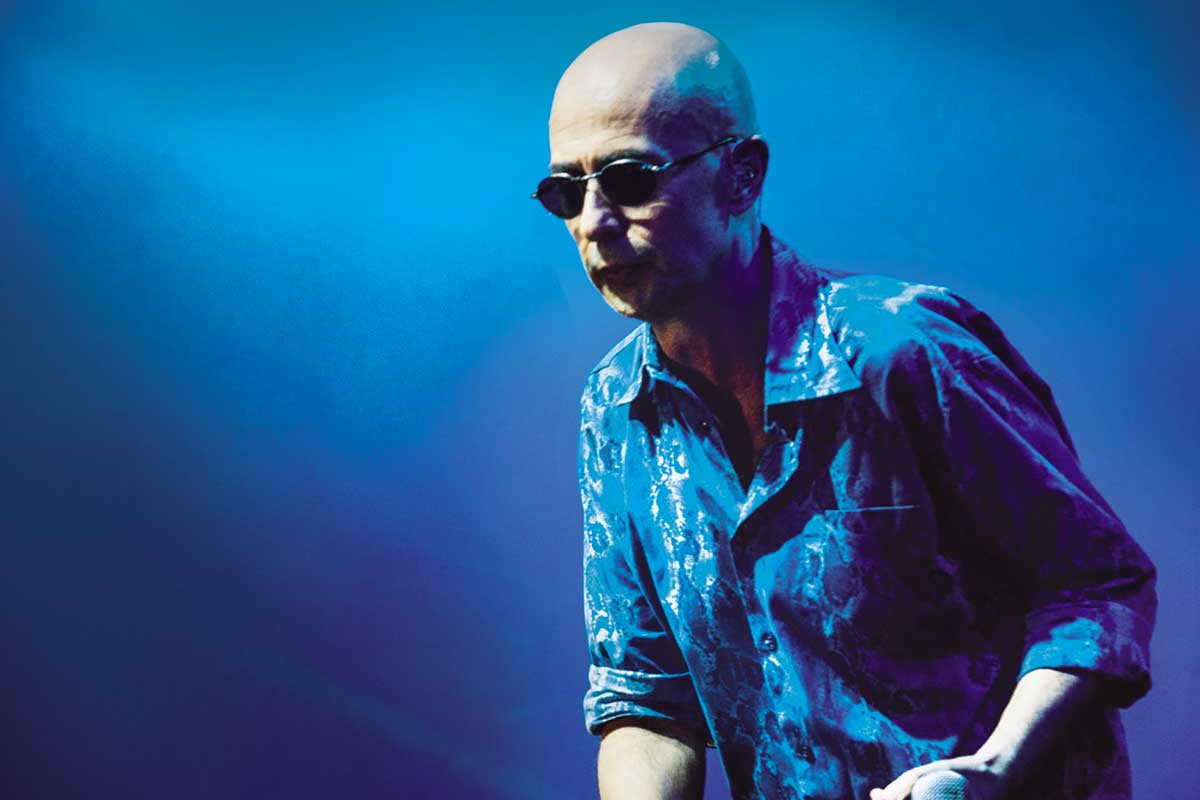
Gran parte de la mística ricotera se forjó en sus conciertos en vivo. La famosa «misa ricotera» representó la unión, la masividad, la identidad barrial y popular, aunque también el peligro y los disturbios que nunca faltaron cuando Patricio Rey y sus Redonditos de Ricota se presentaban en escena. Con un camino que comenzó en […]
Ver más noticias en Indie Hoy.
Más de medio siglo después de una de las presentaciones más emblemáticas de su carrera, Los Beatles y Apple Corps Ltd han anunciado el reconocimiento oficial del Día Mundial de Los Beatles, una celebración internacional que se llevará a cabo cada 25 de junio y que este año contará con actividades presenciales y digitales en distintas partes del mundo.
La fecha elegida no es casual. El 25 de junio de 1967, John Lennon, Paul McCartney, George Harrison y Ringo Starr ingresaron al Estudio Uno de Abbey Road Studios para interpretar en vivo ‘All You Need Is Love’ como parte de Our World, la primera transmisión global vía satélite. El programa alcanzó una audiencia estimada de 400 millones de personas alrededor del planeta y consolidó la canción como uno de los mensajes más universales asociados al cuarteto de Liverpool.
Aunque el Día Mundial de Los Beatles existe desde 2009 gracias a una iniciativa impulsada por la fotógrafa Faith Cohen, hasta ahora había permanecido como una celebración organizada principalmente por seguidores. A lo largo de los años, la fecha ha dado pie a conciertos tributo en Tokio, reuniones de admiradores en Liverpool, exposiciones temáticas en Nueva York y encuentros musicales en ciudades como Buenos Aires.
En una carta dirigida a Faith Cohen, el director ejecutivo de Apple Corps, Tom Greene, destacó la relevancia actual del mensaje de la canción.
“Más que nunca, el mensaje de The Beatles y de ‘All You Need Is Love’ habla de algo vital para la comunidad, la conexión y el poder de reunir a las personas”, escribió. “Eso es lo que hace tan especial al Día Global de Los Beatles No pide nada más que detenerse, escuchar y compartir un poco de alegría”.
El anuncio llega en un momento de renovado interés por el legado de The Beatles. Entre los proyectos más esperados figura la ambiciosa tetralogía cinematográfica dirigida por Sam Mendes, prevista para estrenarse simultáneamente en abril de 2028. Cada película narrará la historia de la banda desde la perspectiva de uno de sus integrantes y contará con Paul Mescal como Paul McCartney, Harris Dickinson como John Lennon, Joseph Quinn como George Harrison y Barry Keoghan como Ringo Starr.
Además, el histórico edificio de 3 Savile Row, estrechamente vinculado a la historia del grupo y famoso por albergar el legendario concierto en la azotea de 1969, abrirá sus puertas al público por primera vez el próximo año. El espacio ofrecerá acceso a archivos inéditos de Apple Corps, exposiciones temporales y una recreación del estudio donde fue grabado Let It Be.Mientras tanto, Paul McCartney continúa ampliando la historia del grupo desde el presente. El músico lanzó recientemente The Boys of Dungeon Lane, su primer álbum de estudio desde McCartney III (2020), un trabajo que incluye una colaboración junto a Ringo Starr y que reafirma que, casi seis décadas después de conquistar al mundo, la influencia de The Beatles sigue encontrando nuevas formas de conectar generaciones.
The post Ya hay fecha oficial para el Día Mundial de Los Beatles appeared first on Rolling Stone en Español.
“A medida que uno se pone más jovato, se va poniendo más impaciente, porque el momento de entregar el sachet está cada vez más cerca”. En diciembre de 2007 Carlos Solari estaba por editar su segundo álbum solista, Porco Rex, bajo el nombre Indio y Los Fundamentalistas del Aire Acondicionado y confesaba que “este disco está dedicado a un par de amigos que ya entregaron el paquete y uno entra a ver que, bueno… De aquí en más, lo que me espera, de movida no quiero saberlo. Porque si encima se trata de un cortometraje, no es que sea una gran producción, si me van a contar el final, ya estoy cagado. Prefiero que me vaya sorprendiendo el tiempo que hay. Es más, no sé cuánto tiempo más vaya a estar produciendo cosas, independientemente de que siga trabajando por mi cuenta, aquí en mi estudio… Momentáneamente lo que tengo es un disco que todavía no salió y del cual ya estoy hablando”.
El Indio Solari no hablaba mucho públicamente. Prendía el loro, como él decía, apenas cuando necesitaba promocionar algo, un disco o un show generalmente. Pero desde sus primeras entrevistas en la década del 80, dejó en claro que “la promoción” era una excusa y que lo sustancial de sus extensas charlas (podían ser noches y trasnoches de más de cuatro horas) estaba en su visión psiconauta acerca de los temas que más le interesaba reflexionar: la cultura rock, la psicodelia, el amor y la muerte.
Como en la obra de cualquier poeta o artista popular, precisamente la muerte ha sido un tema transitado una y otra vez por Solari, pero en las últimas décadas, especialmente luego de anunciar públicamente su enfermedad, la idea de partir de este plano lo llevó no solo a escribir sobre ello en sus canciones (desde aquel “Todavía no usé mi milagro de hoy. ¡Qué corta es la vida, mi amor!… Algún día, pronto, una de mis vidas va a intentar matarme y lo va a lograr. ¿Cómo será andar solito allá en la muerte?”, de “Y mientras tanto el sol se muere” de 2007, al “empiezo por el final, terminaré en el principio… Solo me falta saber, la fecha y el lugar, y allí iré cantando” de “Encuentro con un ángel amateur”, de 2021), sino a reflexionar filosóficamente acerca del tema en buena parte de las entrevistas que ofreció.
“A medida que uno se pone grande aparece la cosa de sumergirse en la nada. Es lo que incentiva las religiones: el miedo a la muerte, a la disolución completa. La gente prefiere tener un Dios toda la vida y resignar su libertad en nombre de un Cielo futuro. Y a mí me gusta que la vida me sorprenda. La vanidad dice que me gustaría ser recordado, pero hay una parte mía que cree que hay mucha más dignidad en el olvido”, dice casi al final de Recuerdos que mienten un poco, las memorias escritas en conversaciones con Marcelo Figueras (2019). Y cierra el libro: “A la hora de irme, me gustaría hacerlo a la manera de Leonard Cohen: levantándome en mitad de una partida de póquer sin llamar la atención, dejando las cartas sobre la mesa, sin interrumpir el juego y con la confianza de que mis compañeros no draán vuelta los naipes para adivinar qué me traía entre manos. Me gusta por lo austera, esa idea: irse callado, sabiendo que llegó tu momento de perder y sin distraer al resto de los jugadores, que merecen seguir adelante. ¡Con lo que cuesta armar un full…! Hoy más que nunca suscribo eso que decía hace más de treinta años, en uno de los recortes de prensa que encontramos en las cajas: sólo aspiro a que la muerte me encuentre vivo”.
Unos meses después de contarle a su público desde arriba del escenario en Tandil que padecía Parkinson, en abril de 2016, Solari habló con Rolling Stone y, sobre el final de la entrevista, los periodistas le preguntaron:
¿Qué creés que pasa cuando uno se muere?
Creo que cuando uno se muere devuelve el carbón, devuelve el azufre, devuelve esas cosas. Pero la personalidad, esa unidad que sos vos, no va a estar más. Y a mí lo que me importaría de la eternidad sería ser yo. Si no me prometés que la próxima vida se va a parecer un poco a ésta, me retiro. Bastante nos cuesta pensarnos a nosotros mismos, imaginate decir: “Bueno, a ver, cómo será…” ¡Puede ser de cualquier manera! Qué sé yo… Entonces me pasa eso con la vida. La tomo relativamente en serio, relativamente en broma.
Son entretenidos los libros sagrados, son muy bellos, pero tampoco podés creer que Dios se le manifiesta siempre a un viejo en una montaña. Por qué no abre las nubes y apuntando con el dedo, dice: “Existo, pórtense bien porque les voy a prender fuego el ojete en el infierno”. Y a partir de ahí yo también digo: “Señor, lo que usted diga”. Qué sé yo, no sé. Uno es más lo que ignora que lo que sabe.
En el Facebook, y en toda tu etapa solista, han aparecido otros personajes: El Fisgón Ciego, Monsieur Sandoz… ¿Esos seudónimos que usás son otra forma de expresarte?
Claro. El Indio Solari es otra cosa: te escribe por mail, no por ahí. Después se darán cuenta, con el tiempo, o mataré a esos personajes.
Pero, ¿el Indio Solari también muere?
El Indio Solari es como la muerte. El Indio Solari se va a morir cuando muramos todos [risas]. Y como yo creo en este momento, cuando yo muero, mueren todos ustedes, desgraciadamente.
The post Indio Solari: “Que la muerte me encuentre vivo” appeared first on Rolling Stone en Español.
Hay artistas cuya importancia histórica puede explicarse mediante fechas, movimientos estéticos o listas de obras maestras. Egon Schiele pertenece a una categoría mucho más rara. Es uno de esos creadores cuya obra sigue sintiéndose contemporánea porque parece hablar directamente de obsesiones que todavía nos acompañan sobre el cuerpo, el deseo, e sexo, la muerte y la imposibilidad de conocernos completamente a nosotros mismos.
Tabú: Egon Schiele, dirigido por Michele Mally, autor de ese otro documental sobre el artista llamado Klimt & Schiele: Eros And Psyche (2018), parte precisamente de esa premisa. Más que preguntarse quién fue Schiele, intenta entender por qué continúa siendo una figura tan poderosa más de un siglo después de su muerte. La respuesta no llega a través de una cronología rígida ni de una enumeración académica de acontecimientos, sino mediante un recorrido que combina historia, filosofía, literatura y análisis artístico para construir el retrato de un hombre que dedicó su breve existencia a perseguir una visión propia del arte.
Mally evita desde el principio la estructura habitual del documental biográfico. No estamos ante una sucesión de expertos hablando frente a la cámara mientras una voz en off resume acontecimientos conocidos. El director apuesta por una construcción mucho más libre, donde los lugares, las obras y las ideas dialogan constantemente entre sí.
Erika Carletto no solo narra sino que nos canta la historia de Schiele. El viaje comienza en Krumau, la ciudad bohemia vinculada a la familia materna del pintor y uno de los espacios más importantes dentro de su imaginario creativo. Allí, entre calles medievales, tejados irregulares y el sinuoso recorrido del río Moldava, el documental encuentra una metáfora perfecta para la mirada del artista, una visión que nunca se conformó con la superficie de las cosas y que buscó siempre perspectivas distintas para observar el mundo y los cuerpos.
El documental consiste se aleja no solo de la estructura canónica de los documentales académicos, sino también de la imagen simplificada de Schiele como mero provocador. Durante décadas, parte de la discusión en torno a su obra giró alrededor de sus desnudos, sus representaciones explícitas de la sexualidad (a menudo su hermana posó desnuda para él) y los escándalos que rodearon su carrera. Sin embargo, Mally entiende que esas controversias son apenas la puerta de entrada a una obra mucho más rica.
Lo que aparece en pantalla es un artista obsesionado con capturar aquello que normalmente permanece oculto. Sus figuras parecen despojadas de cualquier máscara social. No buscan agradar ni seducir. Son cuerpos vulnerables, tensos, expuestos al paso del tiempo y a la certeza de la muerte. En Schiele, el cuerpo deja de ser un objeto idealizado para convertirse en un mapa emocional.
Esa búsqueda conecta de manera sorprendente con otra de las figuras centrales del documental: Franz Kafka. No existe evidencia de que ambos hombres llegaran a conocerse, pero Tabú construye un diálogo intelectual extraordinariamente sugerente entre sus respectivas obras. Kafka y Schiele compartieron una época marcada por profundas transformaciones culturales, políticas y psicológicas. Ambos fueron testigos del agotamiento de un mundo antiguo y del nacimiento de una modernidad llena de incertidumbres.
El documental encuentra paralelismos fascinantes entre los personajes atrapados en laberintos existenciales de Kafka y las figuras angulosas, casi espectrales, que habitan las pinturas de Schiele. En ambos casos encontramos una misma preocupación por la fragilidad humana, por la sensación de no encajar completamente en el mundo y por la dificultad de construir una identidad estable en tiempos de cambio.
Es precisamente en esta relación donde la película encuentra una de sus ideas más hermosas. La terquedad de Schiele y su fidelidad absoluta a su arte terminan convirtiéndose en el verdadero centro emocional del documental. Del mismo modo que Kafka continuó escribiendo sin saber que su obra transformaría la literatura moderna, Schiele persistió en una búsqueda artística profundamente personal sin suavizar sus ideas para hacerlas más aceptables ante la sociedad de su tiempo. Ambos entendían la creación como una necesidad vital antes que como una carrera profesional.
Esa dedicación radical al arte atraviesa cada minuto de la película y termina convirtiendo a Tabú: Egon Schiele en algo mucho más profundo que un documental sobre pintura. Es una reflexión sobre el compromiso creativo, sobre el precio de mantener una visión propia y sobre la necesidad de seguir creando incluso cuando el reconocimiento parece lejano o imposible.
La película también sitúa inteligentemente a Schiele dentro de la extraordinaria efervescencia cultural de la Viena de principios del siglo XX. En aquella ciudad convivieron figuras como Gustav Klimt, Sigmund Freud, Arnold Schoenberg y Stefan Zweig, todos ellos intentando comprender un mundo que estaba cambiando a una velocidad sin precedentes. Schiele aparece aquí como parte de una generación que transformó para siempre la manera de pensar el arte, la sexualidad y la condición humana.
Mally demuestra, como lo hizo también en su documental sobre Edvard Munch Love, Ghosts And Lady Vampires, (2022), una sensibilidad notable para acercarse a las obras sin convertirlas en simples ilustraciones de un discurso académico. La cámara se detiene sobre los trazos, las texturas y los detalles de las pinturas con paciencia y respeto. Hay una voluntad constante de permitir que las imágenes respiren y hablen por sí mismas.
Los historiadores, filósofos, especialistas y escritores que participan en el documental aportan contexto sin ahogar la experiencia. Sus intervenciones enriquecen la comprensión de Schiele, pero la película nunca pierde de vista que el verdadero protagonista es el arte.
Para quienes ya están familiarizados con el arte del pintor austríaco, Tabú: Egon Schiele ofrecerá nuevas perspectivas sobre aspectos menos explorados de su vida y su obra. Para quienes se acercan por primera vez a él, constituye una introducción extraordinariamente accesible y estimulante.
Además, funciona como una pieza de compañía ideal para la magnífica película biográfica Egon Schiele – Tod Und Mädchen (2017). Juntas, las dos obras (tres si anexamos el documental previo sobre Schiele y Klimt de Mally), permiten comprender no solo la figura del artista, sino también el contexto cultural que hizo posible una de las etapas más fascinantes de la historia del arte europeo.
Tabú: Egon Schiele logra algo que muy pocos documentales artísticos consiguen. No solo explicar la importancia de un creador, sino transmitir por qué sigue siendo necesario volver a él. Más de cien años después de su muerte, Schiele continúa obligándonos a reconsiderar nuestras ideas sobre el deseo, la belleza, la sexualidad y la mortalidad. Y esa capacidad para seguir interrogando al presente es, quizá, la prueba definitiva de que estamos ante un artista verdaderamente inmortal.
The post Crítica: <i>Tabú: Egon Schiele</i> appeared first on Rolling Stone en Español.

